
Ice cream, a universally adored pleasure, exists in countless forms – from rich and creamy to light and airy, or even dense like kulfi. Its history stretches back to ancient times, captivating palates for centuries.
Historical Origins of Ice Cream
Ice cream’s story isn’t a sudden invention, but a gradual evolution spanning millennia. The desire for chilled, sweetened treats dates back remarkably far, with early precursors appearing in ancient civilizations. While the modern form is relatively recent, the fundamental concept – combining ice with flavorings – has roots stretching back over two thousand years.
Many historians point to ancient China as a key starting point, with evidence suggesting frozen desserts were enjoyed as early as 200 B.C. These weren’t quite the ice cream we know today, but rather mixtures of snow, ice, and flavorings like fruit and honey. This practice then slowly spread, influencing culinary traditions in other parts of the world.
The journey from these ancient beginnings to the ice cream we relish today is a fascinating tale of cultural exchange, technological advancements, and evolving tastes. It’s a story interwoven with royal courts, innovative entrepreneurs, and the simple human desire for a delightful, cooling treat. The global history of ice cream is a testament to its enduring appeal.
Ancient Precursors to Ice Cream
Before the advent of freezers and modern refrigeration, enjoying a cold, sweet treat required ingenuity and access to natural ice or snow. Ancient civilizations developed methods to create precursors to ice cream, relying on these resources and clever techniques. These early desserts weren’t the creamy, smooth textures we associate with ice cream today, but they satisfied a similar craving.
Evidence suggests that as far back as the Roman Empire, emperors enjoyed flavored ices made with snow brought down from the mountains. Similarly, in ancient Persia, sweetened chilled beverages were popular among the elite. These weren’t mass-produced items, but rather exclusive delicacies reserved for those with the means to obtain and preserve ice.
These early forms demonstrate a universal human desire for cooling refreshment, particularly in warmer climates. They laid the groundwork for future innovations, showcasing the enduring appeal of combining ice with sweet flavors. While rudimentary, these ancient precursors represent the first steps on the long road to modern ice cream.
Chinese Innovations in Frozen Desserts (200 B.C.)
Around 200 B.C., during the Tang Dynasty, Chinese innovators significantly advanced the creation of frozen desserts. They weren’t simply chilling existing beverages; they began developing methods to create something resembling a sorbet or early form of ice cream. This involved a mixture of ice, milk, and flavorings – often fruits and honey – creating a delightful chilled confection.
A key innovation was the use of a slushy mixture of snow and ice brought down from the mountains, combined with various ingredients. Records indicate that emperors enjoyed these frozen treats, showcasing their status and culinary sophistication. These desserts were a closely guarded secret within the imperial court for centuries, representing a luxury enjoyed by the ruling class.
This period marks a crucial turning point in the history of frozen desserts. The Chinese weren’t just consuming chilled liquids; they were actively creating a new type of food, laying the foundation for the evolution of ice cream as we know it today. Their techniques and flavor combinations influenced subsequent developments in other cultures.
Ice Cream’s Arrival in Europe
The journey of ice cream from the Far East to Europe was a gradual process, largely facilitated by trade routes and the exchange of culinary knowledge. While the exact timeline remains debated, it’s believed that Marco Polo brought back recipes for water ices from his travels to China in the 13th century. These weren’t quite the creamy ice cream we recognize today, but they represented a significant step towards frozen desserts in European cuisine.
Initially, these frozen treats were exclusive to the upper echelons of society. The difficulty of obtaining ice and the specialized knowledge required for preparation meant they were primarily enjoyed by royalty and the aristocracy. Italian and French chefs began experimenting with these recipes, refining techniques and incorporating local ingredients.

Catherine de’ Medici, upon marrying Henry II of France in 1533, is often credited with introducing sophisticated Italian desserts, including early forms of ice cream, to the French court. This marked a pivotal moment, establishing a precedent for the enjoyment of frozen delicacies within European royal circles, paving the way for wider adoption.
Royal Consumption: Charles II and Ice Cream
Charles II, the “Merry Monarch,” holds a significant place in the history of ice cream in Britain. While not the originator of the treat, he is widely credited with popularizing it within the English court during the 17th century. Records indicate that Charles II regularly enjoyed “creamed ice,” a closely guarded secret recipe prepared by his French chef.
This wasn’t a readily available commodity for the public; access remained firmly within the realm of the royal family and their privileged guests. The preparation was complex, requiring substantial effort to procure ice and maintain the necessary low temperatures. It’s believed Charles II granted exclusive rights to a confectioner to make and sell this delicacy, further solidifying its association with luxury and royalty.
The association with Charles II helped elevate ice cream’s status, transforming it from a relatively unknown import to a fashionable indulgence. This royal endorsement laid the groundwork for its eventual spread beyond the palace walls, though it would take considerable time before it became accessible to the broader population.
The White House and Ice Cream Tradition
For centuries, ice cream has been a cherished delight within the walls of the White House, becoming deeply intertwined with American presidential history. While precise records are scarce, evidence suggests that presidents as early as George Washington enjoyed the frozen treat, though its availability was limited by the challenges of preservation.
However, it was during the 19th century that ice cream truly cemented its place as a White House staple. Dolley Madison is credited with serving it at the White House’s first official state dinner in 1813. Subsequent presidents continued the tradition, often hosting elaborate ice cream banquets and experimenting with new flavors.
The tradition evolved further with the advent of refrigeration, allowing for more consistent production and a wider variety of offerings; Today, the White House continues to honor this legacy, frequently serving ice cream at official events and even boasting a dedicated ice cream chef, ensuring this sweet tradition endures for generations to come.
The Invention of the Ice Cream Cone
The story of the ice cream cone’s invention is a delightful blend of serendipity and entrepreneurial spirit, largely attributed to the 1904 World’s Fair in St. Louis, Missouri. While multiple claimants exist, Charles E. Menches is most frequently credited with the breakthrough.
According to accounts, Menches, an ice cream vendor, ran out of dishes. A nearby waffle vendor, Ernest Hamwi, offered a solution: rolling his waffles into a cone shape to hold the ice cream. This proved immensely popular with fairgoers, quickly becoming a sensation.
However, other vendors also claim to have independently conceived similar ideas around the same time, including Italo Marchiony, who patented a similar cone-making device earlier. Regardless of the precise originator, the 1904 World’s Fair undeniably catapulted the ice cream cone into mainstream popularity.
The cone’s convenience and portability revolutionized ice cream consumption, transforming it from a dessert enjoyed with a spoon to a handheld treat, forever changing the landscape of frozen desserts.
Charles E. Menches and the 1904 World’s Fair
Charles E. Menches, a name inextricably linked to the invention of the ice cream cone, found himself at the heart of a culinary innovation during the 1904 World’s Fair in St. Louis, Missouri. Operating an ice cream booth, Menches faced an unexpected challenge when he ran out of the traditional dishes needed to serve his frozen treat.
Necessity, as they say, is the mother of invention. Observing a nearby Syrian waffle vendor, Ernest Hamwi, Menches saw an opportunity. Hamwi was struggling to attract customers with his waffles, and Menches proposed a collaboration: using the rolled waffles as edible containers for the ice cream.
The combination proved to be a resounding success. Fairgoers eagerly embraced the convenient and novel way to enjoy ice cream, and Menches’s booth quickly became a popular destination. This impromptu partnership birthed a dessert icon.
While debate surrounds the absolute originator of the ice cream cone, Menches’s story embodies the spirit of innovation and adaptability that defined the 1904 World’s Fair, forever solidifying his place in ice cream history.
Early Ice Cream Recipes and Production
Early ice cream, a far cry from the readily available treat we know today, was a laborious undertaking reserved for the elite. Recipes, closely guarded secrets, involved combining cream, sugar, and flavorings – often fruits or floral essences – and then meticulously freezing the mixture.
The freezing process itself was a significant challenge. It relied on a combination of ice harvested during winter and salt, which lowered the freezing point of water. This mixture was packed around a container holding the ice cream base, and then churned by hand, a physically demanding task.
These early iterations weren’t the smooth, creamy textures we expect. The lack of efficient churning and temperature control resulted in a coarser, icier product. Despite these limitations, the novelty and deliciousness of frozen desserts captivated those fortunate enough to taste them.
Production remained small-scale and largely confined to aristocratic households until advancements in technology began to democratize access to this once-exclusive indulgence, paving the way for its widespread popularity.
The Evolution of Ice Cream Making Techniques
Ice cream’s journey from a royal delicacy to a widespread treat is intrinsically linked to evolving production techniques. Initially reliant on manual churning within ice-salt mixtures, the process was slow and yielded a relatively coarse texture. The 19th century witnessed pivotal advancements, beginning with Nancy Johnson’s hand-cranked freezer in 1843.
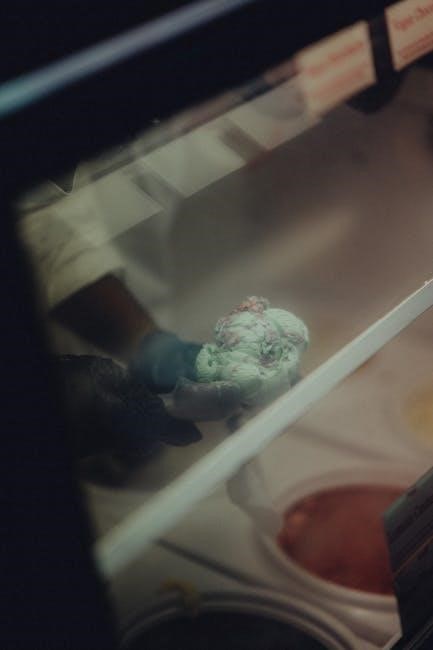
Johnson’s invention, a significant leap forward, simplified churning and improved consistency. Subsequent innovations included the development of mechanical refrigeration, gradually replacing the reliance on natural ice. This allowed for larger-scale production and consistent freezing temperatures.
The introduction of pasteurization further enhanced quality and safety, eliminating harmful bacteria. Homogenization, another crucial step, created a smoother, more uniform texture by breaking down fat globules. These advancements weren’t merely about efficiency; they fundamentally altered the very nature of ice cream.
Continuous freezers, developed in the 20th century, automated the entire process, enabling mass production and the diverse range of flavors and styles we enjoy today, transforming ice cream into a global phenomenon.
The Rise of Ice Cream Parlors
Ice cream parlors emerged as social hubs during the late 19th and early 20th centuries, fueled by advancements in refrigeration and production. These weren’t simply places to purchase a frozen treat; they were destinations for socializing, courtship, and community gatherings. Often lavishly decorated, parlors offered a refined atmosphere, distinct from the more utilitarian soda fountains.
Early parlors frequently featured marble countertops, ornate furniture, and attentive service. They became popular meeting places for families and young couples, fostering a sense of community. The menu expanded beyond basic flavors, introducing sundaes, banana splits, and other elaborate creations.
The parlor experience was enhanced by the presence of skilled “soda jerks,” who expertly crafted these treats and provided friendly service. These establishments weren’t just businesses; they were integral parts of the urban landscape, reflecting a growing middle class and a desire for leisure and indulgence.
The rise of ice cream parlors signaled a shift in how ice cream was consumed – from a rare luxury to an accessible and enjoyable treat for all, solidifying its place in American culture.
The Impact of Refrigeration on Ice Cream
Refrigeration revolutionized ice cream production and consumption, transforming it from a seasonal delicacy reserved for the elite to a widely available treat enjoyed year-round. Prior to mechanical refrigeration, ice harvesting and storage were crucial, limiting supply and increasing cost. The development of efficient ice-making machines in the mid-19th century dramatically altered this landscape.
Early refrigeration technologies allowed for larger-scale production, reducing the price of ice cream and making it accessible to a broader audience. This spurred the growth of commercial ice cream manufacturing and the establishment of ice cream parlors. Consistent freezing temperatures also improved the texture and quality of the product.
The invention of the electric freezer in the early 20th century further streamlined production, enabling even greater efficiency and consistency. Home refrigeration units then brought the possibility of homemade ice cream to many households, democratizing the dessert experience.
Without refrigeration, the modern ice cream industry simply wouldn’t exist, fundamentally changing how we enjoy this beloved frozen dessert.
The Golden Age of Ice Cream (Early 20th Century)
The early 20th century marked a true “Golden Age” for ice cream, fueled by advancements in refrigeration, increased disposable income, and evolving social habits. Mass production became commonplace, lowering costs and expanding accessibility to all segments of society. Ice cream parlors flourished, becoming popular social hubs and community gathering places.
This era witnessed an explosion of flavors and innovative serving styles. Soda fountains, often integrated into drugstores, became synonymous with ice cream enjoyment, offering sundaes, floats, and other elaborate creations. The invention of the ice cream cone in 1904, though debated in its origins, further propelled ice cream’s popularity.
Advertising played a significant role, portraying ice cream as a wholesome and delightful treat for families. The rise of commercial brands and standardized recipes ensured consistent quality and taste. This period solidified ice cream’s position as a quintessential American dessert, deeply ingrained in the nation’s culture.
It was a time of optimism and indulgence, perfectly reflected in the widespread embrace of this sweet, frozen delight.
Ice Cream Trucks: A Summertime Icon
Ice cream trucks evoke a powerful sense of nostalgia, instantly transporting many back to carefree summer days. The distinctive music-box tunes, often a playful rendition of “Turkey in the Straw” or “Pop Goes the Weasel,” signal the arrival of a mobile frozen treat dispensary. These trucks became a ubiquitous sight in neighborhoods across America, particularly during the mid-20th century.
The tradition began in the 1920s, initially offering popsicles and ice cream sandwiches. As refrigeration technology improved, trucks could carry a wider variety of products, including cones, sundaes, and novelties. The thrill of chasing down the truck, clutching coins, and making a quick decision became a cherished childhood experience.
However, the prevalence of ice cream trucks has waned in recent decades due to increased regulations, competition from convenience stores, and changing lifestyles. Despite this decline, they remain a potent symbol of summertime joy and a beloved cultural icon, continuing to bring smiles to faces young and old.
The simple act of hearing that familiar tune still holds a special magic, reminding us of simpler times.
Decline and Resurgence of Ice Cream Trucks
Ice cream trucks, once a ubiquitous summertime fixture, experienced a noticeable decline starting in the late 20th century. Several factors contributed to this downturn, including increasingly stringent health and safety regulations, which raised operating costs for vendors. Competition from readily accessible frozen treats at convenience stores and supermarkets also played a significant role, offering consumers greater convenience and variety.
Furthermore, changing neighborhood dynamics and parental concerns about children approaching unfamiliar vehicles impacted the frequency with which trucks were welcomed. The iconic musical chimes, once a joyful sound, sometimes became a source of annoyance for residents.
However, a recent resurgence is underway, fueled by nostalgia and entrepreneurial spirit. Modern ice cream trucks are adapting, offering gourmet flavors, accepting mobile payments, and utilizing social media to announce their locations. Some are even focusing on eco-friendly practices and locally sourced ingredients.
This renewed focus on quality and community engagement is helping to revitalize the ice cream truck experience, ensuring its continued presence as a summertime tradition.
Global Variations of Ice Cream

Ice cream isn’t a monolithic dessert; its form and flavor profiles vary dramatically across the globe, reflecting local ingredients and cultural preferences. Kulfi, originating from the Indian subcontinent, stands out as a dense, frozen dairy dessert, traditionally flavored with cardamom, saffron, and pistachios – often prepared by slow-cooking milk until caramelized.
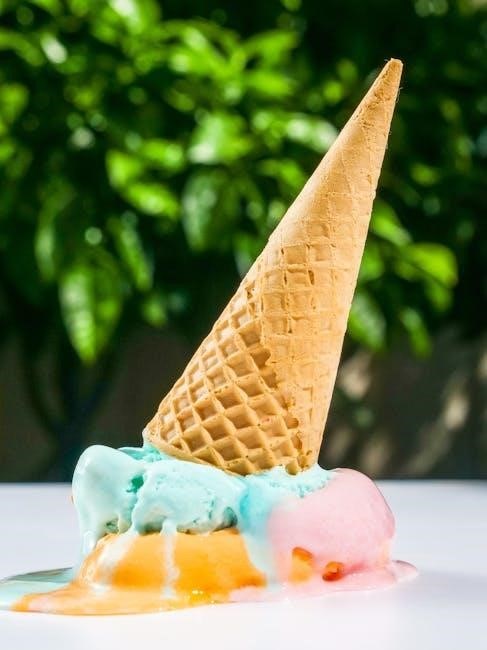
In Italy, gelato distinguishes itself through its lower air content and intense flavors, emphasizing fresh, seasonal ingredients. Turkish dondurma is renowned for its chewy texture, achieved through the addition of salep, a flour made from orchid roots, and mastic, a resin.
Across East Asia, variations like Japanese mochi ice cream – small, round balls of ice cream wrapped in soft, pounded rice cake – offer a unique textural experience. The Philippines boast sorbetes, traditionally churned by hand, offering vibrant fruit flavors.
These diverse examples demonstrate that while the core concept of frozen sweetness remains universal, the execution and cultural significance of ice cream are wonderfully varied.
Kulfi: Indian Frozen Dairy Dessert
Kulfi, a traditional Indian frozen dairy dessert, holds a significant place in the history of frozen treats, predating many Western ice cream styles. Unlike ice cream, kulfi is typically denser and creamier, achieved through a slow cooking process that caramelizes the milk, intensifying its flavor and creating a unique texture.
Historically, kulfi was made by reducing sweetened milk over hours, often in large, wide-mouthed metal pots, then frozen in earthen pots placed inside ice-filled wells. This method contributed to its distinctive dense consistency.
Traditional flavors include cardamom, saffron, mango, pistachio, and rose, reflecting the rich spice palette of Indian cuisine. Modern variations now incorporate a wider range of flavors, but the core preparation method remains largely unchanged.
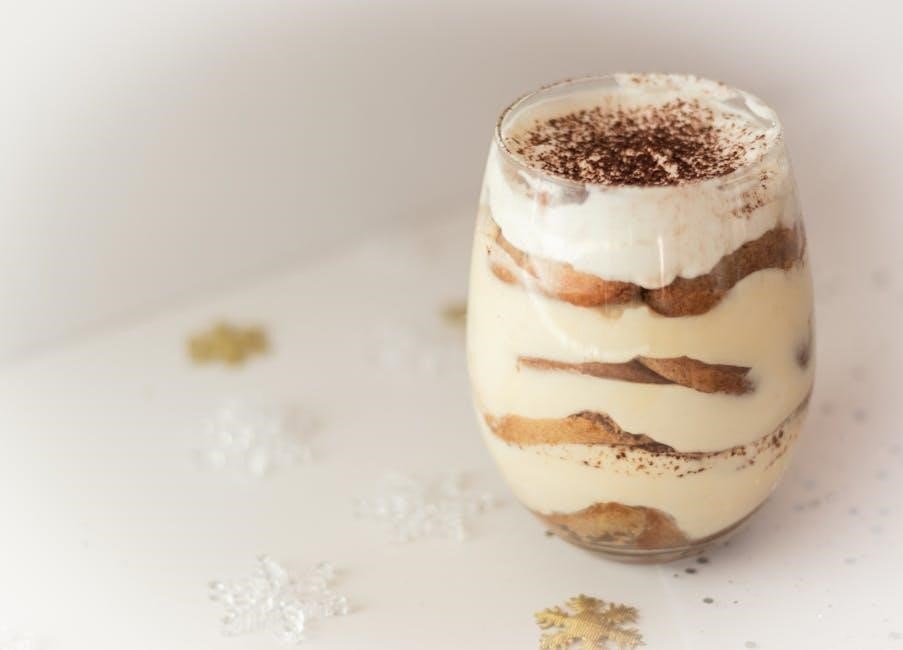
Kulfi isn’t merely a dessert; it’s a cultural icon, often associated with celebrations and festivals. Its enduring popularity demonstrates a timeless appeal, showcasing the ingenuity of ancient Indian culinary techniques.
Modern Ice Cream Flavors and Trends
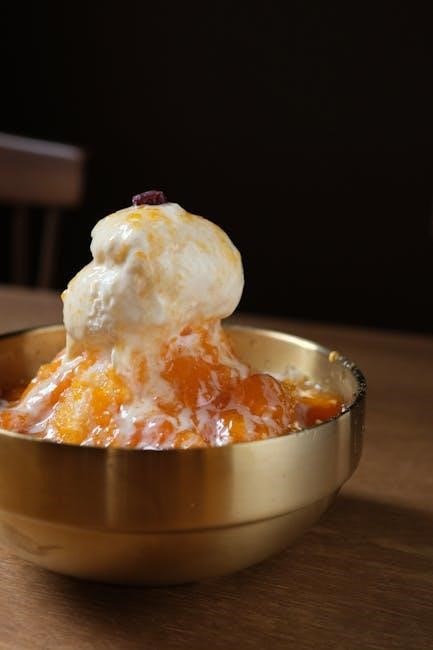
Modern ice cream has exploded beyond traditional vanilla, chocolate, and strawberry, embracing a world of innovative and often unexpected flavors. Artisanal ice cream makers are leading the charge, experimenting with unique combinations like lavender honey, goat cheese with red cherries, and even savory options such as olive oil and rosemary.
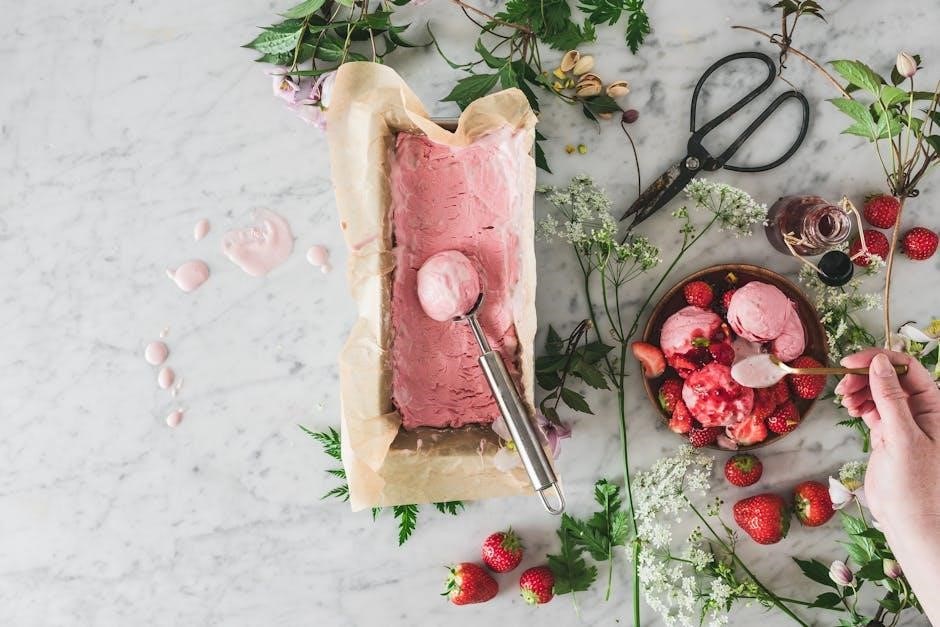
Current trends emphasize high-quality, locally sourced ingredients, reflecting a growing consumer demand for transparency and sustainability. Vegan and dairy-free ice cream alternatives, utilizing coconut milk, almond milk, or cashew cream, are also experiencing significant growth, catering to diverse dietary needs.
Beyond flavor innovation, texture plays a crucial role. Mochi ice cream, gelato’s denser texture, and rolled ice cream – flash-frozen and rolled into visually appealing cylinders – are gaining popularity.
Social media significantly influences flavor trends, with viral creations often driving demand. Limited-edition collaborations with chefs and brands further fuel excitement and novelty within the ice cream landscape.
The Science Behind Ice Cream Texture
Ice cream’s delightful texture isn’t accidental; it’s a result of carefully controlled scientific principles. The freezing process is paramount, creating tiny ice crystals dispersed within a creamy base. Smaller ice crystals equate to smoother texture, while larger ones result in a grainy feel.
Fat content plays a vital role, coating the ice crystals and preventing them from clumping. Air incorporation, achieved through churning, is equally crucial, contributing to lightness and volume – known as ‘overrun’. The amount of overrun significantly impacts the final texture.
Stabilizers, like guar gum or locust bean gum, control ice crystal growth during storage, maintaining a consistent texture over time. Emulsifiers, such as egg yolks or lecithin, help blend fat and water, creating a stable emulsion.
Sugar lowers the freezing point, preventing complete solidification and contributing to scoopability. Understanding these scientific interactions allows ice cream makers to manipulate ingredients and processes to achieve desired textural qualities, from dense gelato to airy soft serve.
Nutritional Aspects of Ice Cream
Ice cream’s nutritional profile is often a topic of discussion, given its deliciousness and indulgent nature. Traditionally, ice cream is high in sugar and fat, contributing significant calories. The fat content provides richness and texture, but also impacts its overall healthfulness.
However, ice cream also offers some nutritional benefits. It’s a source of calcium, essential for bone health, derived from the dairy base. Some formulations include vitamins, particularly Vitamin A and Vitamin D, which are fat-soluble and present in dairy products.
Modern trends are shifting towards healthier options. Reduced-fat, low-sugar, and dairy-free alternatives are increasingly available, catering to diverse dietary needs and preferences. These options often utilize alternative sweeteners and plant-based fats.
Portion control is key when enjoying ice cream. While it can be part of a balanced diet, moderation is crucial. Understanding the nutritional composition allows consumers to make informed choices and enjoy this treat responsibly, balancing indulgence with health considerations.
Ice Cream as a Cultural Phenomenon
Ice cream transcends its status as a mere dessert; it’s deeply embedded in global cultures, evoking nostalgia, celebration, and simple joy. From childhood memories of summer treats to sophisticated culinary creations, ice cream holds a unique place in societal traditions.
The iconic ice cream truck, with its distinctive music, represents a quintessential summertime experience for many, particularly in North America. It symbolizes carefree days and community gatherings. Similarly, kulfi in India is a traditional dessert enjoyed during festivals and special occasions.
Ice cream parlors have historically served as social hubs, fostering connections and providing a space for community interaction. The White House’s long-standing tradition of serving ice cream reflects its cultural significance even at the highest levels of power.
The constant innovation in flavors and formats demonstrates ice cream’s adaptability and enduring appeal. It’s a canvas for culinary creativity, reflecting evolving tastes and cultural influences, solidifying its position as a beloved cultural icon worldwide.