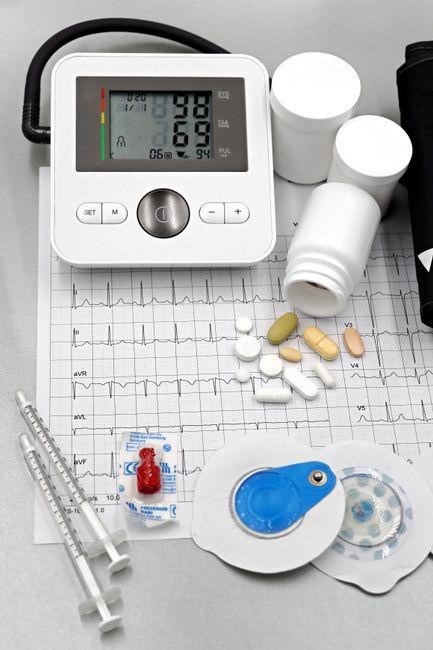
Safety Instructions
Read the safety guide before use. Keep the monitor away from water, avoid dropping, and use only the supplied batteries. Do not expose to high temperatures or direct sunlight. Follow the warning symbols and keep the cuff clean. Store in a dry place when not in use. Ensure cuff fits snugly touching display now !
Symbols Glossary
- ⚠️ Warning – Do not use if cuff or display is damaged.
- 🔌 Only the supplied adapter may be used.
- 🔋 Insert 4 × AAA (or 3 × AA) as shown; ensure correct polarity.
- 📅 Set the correct date for accurate logging.
- ⏰ Set the correct time to keep timestamps consistent;
- 🛑 Press to cancel a measurement in progress.
- ✔️ Indicates a successful reading has been taken.
- ❌ Shows a problem; refer to troubleshooting.
- 🔄 Cuff retracts automatically after a reading.
- 📈 Displays recent reading trends for monitoring.
- 🔗 Pairing icon for smart device connectivity.
- 💾 Stored data is available for retrieval.
- ⚡ Alert when battery power is low.
- 🧪 Advanced mode for more accurate readings.
- 🧰 Access device configuration options.
- 🗑️ Remove stored data from memory.
- 🔍 View average of recent measurements.
- 📊 Visual trend of blood pressure over time.
- 🕒 Countdown before cuff inflation starts.
- 🔧 Adjust cuff pressure if needed.
- 📚 Access help and instructions for troubleshooting and device use.!!
- 🛡️ Ensure the cuff is positioned on the upper arm for accurate readings.
- 🧪 Use TruRead mode to reduce cuff movement artifacts and improve measurement accuracy.
- 📈 Review trend graphs to identify patterns and discuss findings with your healthcare provider.
Intended Use
Designed for personal health monitoring, the Omron 10‑Series cuff measures systolic, diastolic, and pulse values. It records data for up to 200 readings and syncs with compatible apps. Ideal for home use, it helps track blood pressure trends over time. Ideal for daily monitoring, it supports multiple users!!!
Important Safety Information
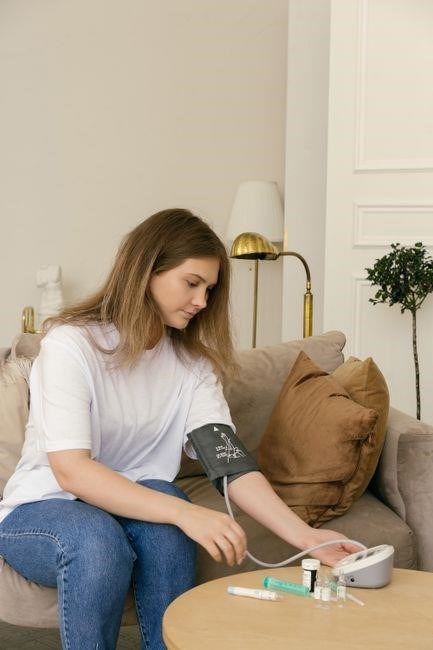
Use the Omron 10‑Series blood pressure monitor only for personal health monitoring. The device is not a diagnostic tool and should not replace professional medical advice. Keep the cuff clean, dry, and free of damage. Do not expose the unit to water, extreme temperatures, or direct sunlight. Avoid dropping or impacting the monitor. The cuff must fit snugly on the upper arm; improper fit can lead to inaccurate readings. Do not use the monitor if the cuff is damaged, the display is broken, or the battery compartment is compromised. The monitor is not suitable for children under 12 years of age. Store the device in a dry place when not in use. Do not attempt to repair the monitor yourself. The cuff should be positioned at heart level, and the user should be seated and relaxed during measurement. Avoid using the monitor if you have a pacemaker or other implanted device unless cleared by a physician. The monitor is not waterproof; keep it away from pets and children. Ensure batteries are inserted correctly and the compartment is closed. Do not use the monitor if the battery is low or the display shows a warning. Follow all local regulations and consult a healthcare professional for interpretation of results. The device is not intended for clinical or hospital use. The monitor is not a medical device for diagnosing or treating conditions. It should be used only by individuals who understand the instructions. The cuff must fit snugly on the upper arm; improper fit may produce inaccurate readings. The device should be stored in a dry place when not in use. Use it safely, now.
When you receive the Omron 10‑Series blood pressure monitor, inspect the outer packaging for any visible damage or missing seals. Open the box carefully and verify that the monitor, cuff, AC adapter, user manual, battery compartment cover, and any included accessories are present; Check that the cuff is securely attached to the monitor and that the cuff strap is intact, free of tears, and not frayed. Inspect the cuff’s elastic band for stiffness or sagging, which can affect accuracy. Confirm that the cuff’s inflation valve is functional and that the cuff’s markings are legible. Look for any signs of moisture or corrosion inside the battery compartment. Verify that the display screen shows a clear image and that the buttons respond to touch. Ensure the AC adapter has the correct voltage rating and that the plug is undamaged. Check that the battery compartment cover is sealed and that the batteries are not corroded or leaking. Confirm that the user manual’s cover is intact and that the printed information is legible. Verify that the warranty card is present and matches the product’s serial number. If any component appears damaged or defective, contact the retailer or Omron customer support before using the device. Follow these steps for reliable use today. This ensures the device functions correctly for health. The monitor’s battery compartment cover should be closed after each use to prevent dust accumulation. If the cuff’s elastic band shows signs of wear, replace it to maintain accuracy. Always keep the user manual handy for reference on settings and troubleshooting. Check for leaks, please.

Preparation
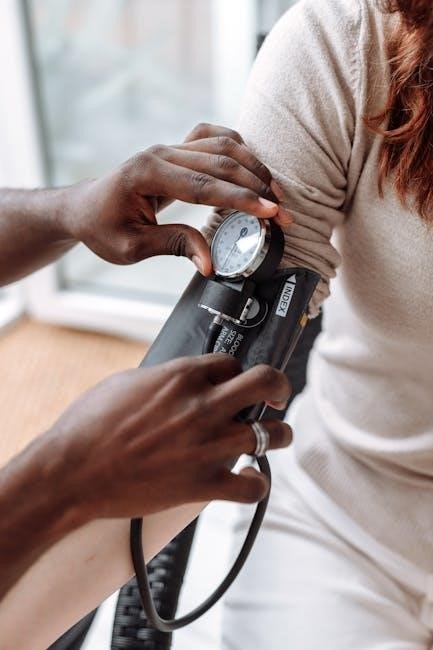
Place the cuff on your upper arm, ensuring it sits snugly but not too tight. Keep the monitor in a dry, cool area, away from direct sunlight or moisture. Verify the cuff’s elastic band is intact and the display is clear before use. Check that the cuff’s band is sits at the arm’s midpoint.!!
Read the safety guide before use. Keep the monitor away from water, avoid dropping, and use only the supplied batteries. Do not expose to high temperatures or direct sunlight. Follow the warning symbols and keep the cuff clean. Store in a dry place when not in use. Ensure cuff fits snugly touching display now !
Setting Date and Time
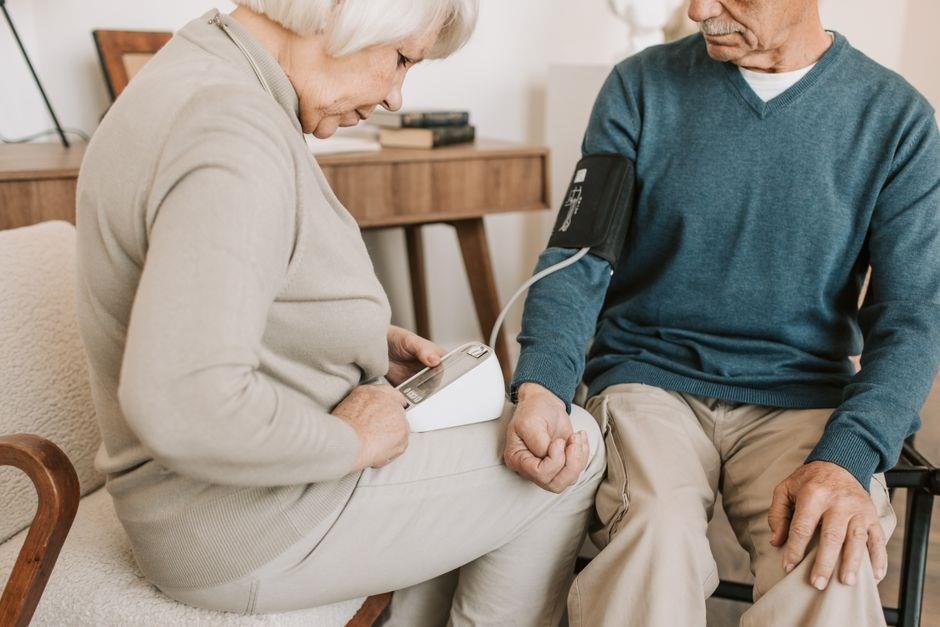
To set the date and time on your Omron 10‑Series monitor, press the SET button until the display flashes the date. Use the UP and DOWN buttons to adjust the month, then press SET again to move to the day. Repeat the process for the year, hour, and minute, selecting 24‑hour or 12‑hour format as desired. When the desired values are displayed, press SET to confirm each entry. The monitor will automatically update the time based on the last measurement, but manual adjustment ensures accurate timestamping for future readings. Keep the device in a cool, dry place and avoid exposing the display to direct sunlight, which can cause glare and affect readability. For optimal performance, replace the batteries when the low‑power indicator lights up. If you encounter any error messages, refer to the troubleshooting section in the user manual or contact customer support. Maintaining correct date and time settings is essential for accurate trend analysis and for synchronizing data with compatible smart devices.
For users who prefer a 12‑hour clock, press the SET button once more after setting the hour to switch between AM and PM. The monitor will retain the time setting even after battery replacement. Always verify the date and time after each battery change to ensure accurate logging of readings. If the display shows an error code such as 0x02, reset the monitor by turning it off for 30 seconds and then powering it back on. This will clear temporary faults and allow the clock to function correctly. It syncs after each reading daily

Using Monitor without Smart Device
To use the monitor independently, sit upright, place cuff on upper arm, press the ON button, wait for the display to show a measurement. After the reading, the cuff deflates automatically. Record the values manually or use the memory button to view stored data. The cuff auto‑deflates, systolic, diastolic, pulsebp.
Taking a Measurement
Before you begin, sit comfortably with your back supported and feet flat on the floor. Rest your arm on a table so the cuff sits at heart level. Ensure the cuff is snug but not too tight; you should be able to slide one finger under the cuff. Press the ON button; the display will flash and the cuff will inflate automatically. Once the cuff reaches the preset pressure, the monitor will pause and the display will show the systolic, diastolic, and pulse readings. After the measurement completes, the cuff will deflate. Record the values or use the memory function to store them for later review. If the cuff does not inflate, check that the batteries are installed correctly and that the cuff is properly positioned. For accurate results, repeat the measurement after a short rest if the first reading seems abnormal. Keep the cuff clean and dry, and replace it if it becomes damaged. Avoid using the monitor if you have a pacemaker or other implanted device unless the manufacturer confirms compatibility. The monitor’s automatic deflation prevents discomfort, but if you feel pressure, you can manually deflate the cuff by pressing the button again. The display will show a countdown until the next measurement. If you need to cancel, press the OFF button. The monitor stores up to 200 readings; you can view them later by pressing the memory button. Always follow the manufacturer’s guidelines for cuff placement, arm position, and rest periods to ensure reliable readings. Check battery.
Use the monitor’s memory feature to review trends over time and data with your provider!!.
Using Monitor with Smart Device
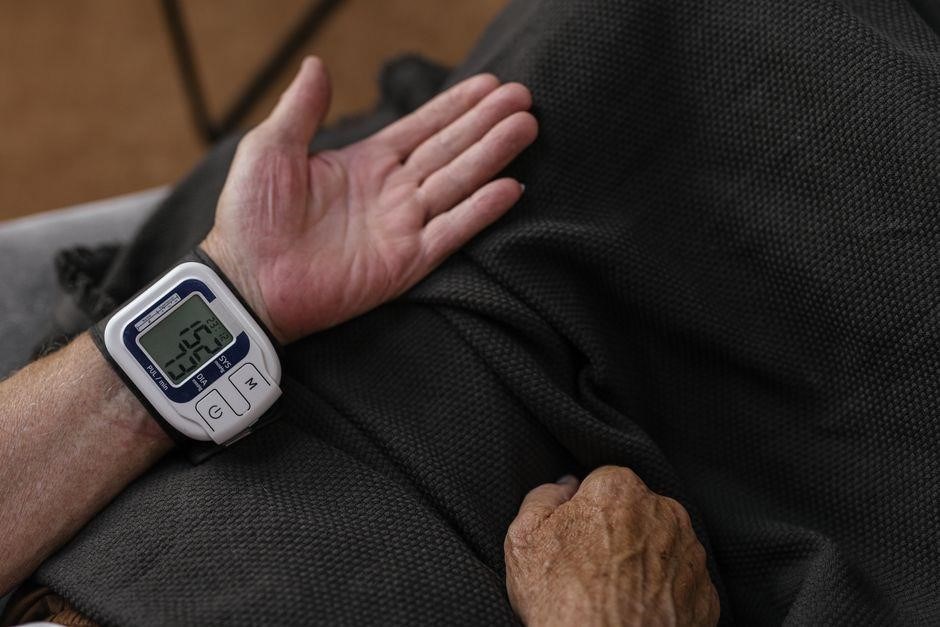
To connect the monitor to a smartphone, enable Bluetooth on the device, press the ON button on the monitor, then tap the pairing icon on the app. Follow on‑screen prompts to complete the connection. Once paired, measurements sync automatically to the app for tracking. Ensure app updates and permissions now.! .
Pairing Monitor
To pair the Omron 10‑Series BP monitor with a compatible smartphone or tablet, first ensure the device’s Bluetooth is turned on and the Omron app is installed and updated. Press the ON button on the monitor until the display flashes, indicating it is ready for pairing. Open the app, select the “Add Device” option, and wait for the monitor to appear in the list of nearby devices. Tap the monitor’s name to initiate the pairing process. A confirmation prompt will appear on both the monitor’s display and the mobile screen; confirm by selecting “Yes” or “Pair.” Once the connection is established, the monitor will automatically transmit each measurement to the app, allowing you to view, store, and analyze your blood‑pressure data over time; For troubleshooting, if the monitor does not appear, restart the Bluetooth on the phone, reset the monitor by holding the ON button for 5 seconds, and try again. Ensure the monitor’s firmware is up to date via the app’s settings menu. When finished, you can disable Bluetooth on the monitor by pressing the ON button until the display shows “OFF.” This process ensures secure, seamless data transfer between the monitor and your smart device, providing accurate health tracking and easy sharing with healthcare providers. If the monitor fails to connect, check that no other Bluetooth devices are interfering and that the firmware is current. In the app’s Device Info section, install any available update. After updating, repeat pairing; the monitor will show “Connected” and sync data automatically. If it won’t connect, ON 5 seconds.

Memory Function
Use the memory button to access stored readings. Press and hold until the display cycles through dates. Select a date to view the corresponding BP values. The monitor keeps up to 200 records per user, allowing you to track trends over time. Review trends and share data with your clinic!
Viewing Readings Stored in Memory
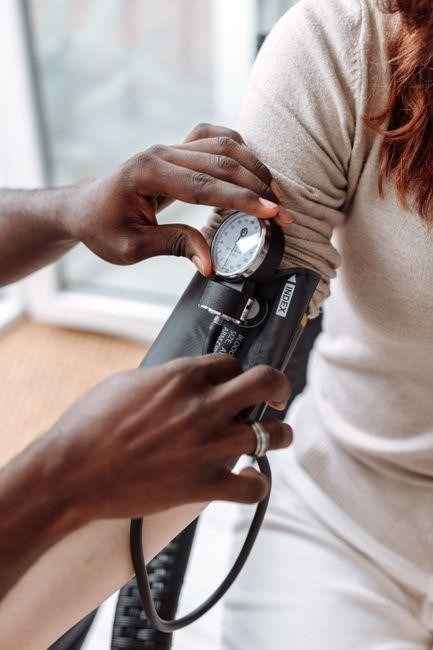
Press the “MEMORY” button until the display shows the most recent measurement. The screen will flash the date and time of the last stored reading. Use the “UP” and “DOWN” arrows to navigate through past entries. Each entry shows systolic, diastolic, pulse, and the measurement mode. To view a specific day, press “DATE” and cycle through available days. Highlight a date, press “SELECT” to display all readings taken that day in chronological order. The monitor offers an average function: after selecting a date, press “AVG” to see the mean systolic, diastolic, and pulse values for that day. To delete a single reading, highlight it and press “DEL”; confirm when prompted. To clear all stored data, press and hold “DEL” for three seconds; the monitor will ask for confirmation before erasing every record; All deletions are permanent. The memory capacity is limited to 200 entries per user profile; once full, the oldest reading is overwritten by new data. Each profile keeps its own history, so switching profiles displays a different set of records. The memory function helps track trends and share data with healthcare providers. Ensure the device is powered on and the cuff is properly positioned before accessing memory. If the display shows “NO DATA”, verify that the cuff has been used and that at least one measurement has been recorded. For further assistance, consult the troubleshooting section or contact Omron support. The device also records pulse rate and measurement mode for each entry, allowing detailed review of cardiovascular status. Users can export data via Bluetooth to smartphones for monitoring and sharing with clinicians.