Categories
PDF

bates physical exam 13th edition pdf free download

Article Plan: Bates Physical Exam 13th Edition PDF Free Download (as of 03/27/2026)

This article comprehensively explores obtaining the 13th edition, detailing its availability, legal considerations, associated resources, and a comparison to the newer 14th edition.

Bates’ Guide to Physical Examination and History Taking is a cornerstone resource for medical students and healthcare professionals.
For decades, it has provided detailed guidance on performing comprehensive patient assessments. The 13th edition, authored by Bickley, Szilagyi, and Hoffman, continues this tradition, offering a systematic approach to history taking and physical examination techniques.
Its enduring relevance fuels the demand for accessible formats, including a PDF version, though obtaining it legally presents challenges, as discussed further.

Overview of the 13th Edition

The 13th edition of Bates’ Guide, published by LWW in August 2020, maintains its focus on a structured, step-by-step approach to patient evaluation. It covers essential history-taking skills and detailed examination procedures for each body system. Integrated with the Lippincott Connect platform, it offers supplemental digital resources. The ISBN-13 is 9781496398178, and ISBN-10 is 1975109943, frequently referenced when seeking resources online.

Publication Details (LWW, August 26, 2020)

Wolters Kluwer (LWW) published the 13th edition on August 26, 2020. This edition, part of the Lippincott Connect series, features 1024 pages and dimensions of 8.5 x 1 x 10 inches. It’s presented in English and is a cornerstone text for medical students and healthcare professionals. Amazon.com also lists this edition, confirming the publication details and availability.

Key Updates and Changes from Previous Editions

Specific updates for the 13th edition aren’t explicitly detailed in the provided snippets, but the shift to the Lippincott Connect series suggests integrated digital resources. The 14th edition (2023) offers significant improvements, implying the 13th edition was a stepping stone. Users seeking the latest information should consider the newer version for comprehensive, updated clinical guidance and techniques.
Why Students and Professionals Seek the PDF

The demand for a PDF version stems from accessibility and convenience. Students and healthcare professionals often desire immediate access for study and clinical reference. A digital copy allows for easy searching, portability across devices, and offline availability. The request on Reddit highlights a willingness to pay for access, indicating its value as a learning tool.

Cost Considerations

The 13th edition is a significant investment. Purchasing directly from Amazon or LWW incurs a substantial cost, reflecting its comprehensive content. While free PDF options are sought, they often carry risks. Conversely, legitimate test banks, like those on Stuvia US, represent an additional expense for study materials, but offer verified answers and completeness.

Accessibility and Convenience

A PDF version offers unparalleled convenience. Students desire readily available access on multiple devices, eliminating the need to carry a heavy textbook. The Lippincott Connect series integration, accessible through the purchased book, enhances learning. However, unofficial PDFs found on platforms like Reddit may lack this integration and pose security risks, impacting accessibility.

Legality and Ethical Concerns of Free Downloads

Downloading a PDF without purchase constitutes copyright infringement. Authors and publishers rely on sales for continued development of vital resources like Bates’ Guide. Seeking “free” copies from unofficial sources undermines this process. Ethical considerations demand respecting intellectual property rights, supporting the medical education community, and avoiding potentially illegal activities.

Copyright Infringement

Distributing or downloading unauthorized copies of Bates’ Guide to Physical Examination violates copyright law. Wolters Kluwer (LWW) holds exclusive rights to the 13th edition. Accessing the PDF through platforms offering “free” downloads, like those discussed on Reddit, directly infringes upon these rights, potentially leading to legal repercussions for both the downloader and distributor.

Risks Associated with Unofficial Sources (Malware, Viruses)

Downloading the Bates’ PDF from unofficial sources poses significant security risks. Websites offering free downloads are frequently riddled with malware, viruses, and other malicious software. These can compromise your device, steal personal information, or disrupt system functionality. Prioritizing legitimate purchase avenues safeguards against these digital threats and protects your data.

Where to Officially Purchase the 13th Edition

Secure your copy of Bates’ 13th edition through authorized retailers. Amazon.com offers both print and digital versions. Alternatively, purchase directly from the Wolters Kluwer (LWW) official website. These sources guarantee an authentic, virus-free product, supporting the authors and ensuring access to the most current information.

Amazon.com

Amazon.com lists Bates Guide to Physical Examination and History Taking, 13th edition (ISBN: 9781496398178), as a readily available resource. The listing details the 13th edition, published by LWW on August 26, 2020, and part of the Lippincott Connect series. Check for both new and used copies, alongside potential digital access options, ensuring a legitimate purchase.

LWW (Wolters Kluwer) Official Website

The official Wolters Kluwer (LWW) website is a primary source for purchasing the 13th edition of Bates’ Guide to Physical Examination and History Taking. Published in 2020, the book (ISBN: 9781496398178) is available directly from the publisher, guaranteeing authenticity and access to potential supplemental materials or digital versions.

ISBN Information for the 13th Edition

Identifying the correct ISBN is crucial when sourcing Bates’ Guide to Physical Examination and History Taking, 13th edition. The ISBN-13 is 9781496398178, while the ISBN-10, referenced on Reddit, is 1975109943. These numbers ensure you’re referencing the specific 2020 LWW publication, avoiding confusion with other editions or related texts.

ISBN-13: 9781496398178

The ISBN-13, 9781496398178, uniquely identifies the 13th edition of Bates’ Guide published by LWW in August 2020. Stuvia US lists this ISBN for their complete test bank (Chapters 1-27), offering verified answers. Utilizing this ISBN ensures accurate sourcing, whether purchasing the textbook or associated study materials from legitimate vendors.

ISBN-10: 1975109943 (Reddit Reference)

The ISBN-10, 1975109943, is referenced within a Reddit (r/textbook) post from October 5, 2023, regarding access to the 13th edition PDF. Users on Reddit were seeking the PDF and offering tips. However, reliance on Reddit for downloads carries risks; official sources are strongly recommended for legal and safe access.

Associated Test Banks and Study Materials

A complete test bank for the 13th edition, covering chapters 1-27, is available on Stuvia US, ISBN-13: 9781496398178. This resource offers 100% verified answers, delivered as a printed PDF directly from the publisher. Students utilize these materials to reinforce learning and assess comprehension of Bates’ Guide content.

Test Bank Availability (Stuvia US, Chapter 1-27)

Stuvia US offers a full test bank specifically designed for the 13th edition of Bates’ Guide to Physical Examination and History Taking, encompassing all 27 chapters; This resource is a printed PDF, sourced directly from the publisher, and boasts completely verified answers. It’s a valuable tool for self-assessment and exam preparation.

Verified Answers and Completeness

The test bank available on Stuvia US for the 13th edition is advertised as containing 100% verified answers, ensuring accuracy for student study. Advertisements explicitly state the completeness of the guide, covering all chapters (1-27) thoroughly. This focus on verification and comprehensive coverage aims to provide a reliable study aid.

Lippincott Connect Series Integration

The 13th edition of Bates’ Guide is part of the Lippincott Connect series, indicating integration with a digital learning platform. Amazon.com lists this series affiliation, suggesting access to supplementary online resources. Lippincott Connect likely offers interactive features designed to enhance understanding and application of physical examination techniques, complementing the core textbook content.

Features of the Lippincott Connect Platform

While specific features aren’t detailed in the provided sources, Lippincott Connect generally provides a robust learning environment. Expect interactive exercises, video demonstrations of examination techniques, and potentially adaptive quizzing to assess comprehension. The platform likely supports self-paced learning and offers a digital space for students to practice and reinforce concepts presented in Bates’ Guide.

Content Overview: What’s Covered in the 13th Edition

Bates’ 13th edition meticulously covers both history taking techniques and comprehensive physical examination systems. This includes detailed guidance on evaluating cardiovascular, respiratory, neurological, and other vital systems. The text provides step-by-step instructions and visual aids to help students master essential clinical skills. It’s a foundational resource for learning effective patient assessment.

History Taking Techniques

The 13th edition of Bates’ Guide places significant emphasis on effective patient interviewing and history gathering. It details methods for obtaining a comprehensive narrative, including chief complaint, history of present illness, and past medical history. Students learn to elicit crucial information, focusing on open-ended questions and active listening skills. This section is vital for building rapport and accurate diagnosis.

Physical Examination Systems (Cardiovascular, Respiratory, etc.)

Bates’ 13th edition systematically covers examination techniques for each body system. Detailed instructions guide learners through cardiovascular, respiratory, neurological, and other assessments. The text emphasizes proper inspection, palpation, percussion, and auscultation. Clear illustrations and videos (via Lippincott Connect) enhance understanding. This section provides a foundational skillset for accurate clinical evaluations and diagnostic reasoning.

User Reviews and Feedback on the 13th Edition

Students and practitioners consistently praise Bates’ 13th edition for its clarity and comprehensive coverage. Many appreciate the step-by-step approach to physical examination techniques. Users highlight the value of the integrated Lippincott Connect resources, including videos and interactive exercises. Some note the book’s substantial size, but generally consider it an essential resource for learning and clinical practice.

Comparison with the 14th Edition

The 14th edition (ISBN 9781975218348) builds upon the 13th, offering updated content and enhanced multimedia resources; Key improvements include expanded coverage of telehealth and updated guidance on culturally sensitive care. While the 13th edition remains a valuable resource, the 14th provides the most current information and pedagogical tools available as of late 2026.

Availability of the 14th Edition PDF

Finding a legitimate, free PDF of the 14th edition proves challenging. Reddit discussions (r/textbook) indicate links often lead to unofficial sources. Purchasing through official channels—LWW or Amazon—remains the safest option. Websites like tfbook.site offer the ebook, but verifying legality is crucial. Beware of potential malware risks associated with unauthorized downloads.

Key Differences and Improvements in the 14th Edition

The 14th edition (ISBN 9781975218348) builds upon the 13th, incorporating updated clinical guidelines and expanded multimedia resources. Improvements include enhanced coverage of telehealth, diversity, and inclusion in healthcare. New case studies and a refined organization aim for improved learning. While the 13th edition remains valuable, the 14th offers a more current perspective.

Alternatives to Obtaining the PDF (Legal Options)

Legitimate access avoids copyright issues. Consider utilizing library access or exploring institutional subscriptions through your school or healthcare facility. Purchasing a physical copy from Amazon.com or directly from LWW (Wolters Kluwer) ensures you have an authorized version. These options support the authors and publishers while providing reliable content.

Library Access

Many academic and medical libraries offer access to Bates’ Guide to Physical Examination, potentially including the 13th edition. Check your local library’s catalog or online resources for availability. Some libraries provide digital access, allowing you to view the textbook online or download chapters legally. This is a cost-effective and ethical alternative to seeking free PDFs.

Institutional Subscriptions

Students and professionals affiliated with universities or healthcare institutions often benefit from institutional subscriptions to resources like Lippincott Connect. These subscriptions grant access to digital versions of Bates’ Guide, including potentially the 13th edition, through online platforms. Verify with your institution’s library or IT department to determine if such access is available, offering a legal and convenient solution.

Potential Risks of Downloading from Reddit and Similar Platforms

Seeking free PDF downloads from platforms like Reddit carries significant risks. These sources frequently host malware, viruses, and compromised files that can infect your devices and compromise personal data. Furthermore, downloading copyrighted material illegally is unethical and potentially unlawful. Prioritize legitimate access methods to safeguard your digital security and respect intellectual property rights.

Citation Information (AMA Style)

Properly citing Bates’ Guide to Physical Examination and History Taking is crucial for academic integrity. According to AMA style, the 13th edition is cited as: Bickley LS, Szilagyi PG, Hoffman RM, et al. Bates Guide to Physical Examination and History Taking, 13e. Publication details indicate a date of 2021-01-01T00:00:00.

Bickley LS, Szilagyi PG, Hoffman RM, et al. Bates Guide to Physical Examination and History Taking, 13e.

This foundational text, authored by Bickley, Szilagyi, Hoffman, and colleagues, remains a cornerstone for medical education. The 13th edition (published August 26, 2020, by LWW) provides comprehensive guidance on physical exam techniques and history taking. It’s frequently referenced, with ISBNs 9781496398178 and 1975109943, and is part of the Lippincott Connect series.

Balancing Access with Ethical Considerations

Access to essential medical texts like Bates’ Guide is crucial, yet obtaining the 13th edition via unauthorized PDF downloads presents ethical and legal risks. While convenient, such methods infringe copyright and potentially expose users to malware. Prioritizing legal avenues – purchase, library access, or institutional subscriptions – supports authors and ensures reliable, safe resources.


Categories
Guide

wilderness long-term survival guide pdf

Wilderness Long-Term Survival Guide: A Comprehensive Plan

This comprehensive guide details essential skills for prolonged wilderness stays, covering shelter construction, water procurement, firecraft, navigation, and crucial medical knowledge.

Based on resources like the “Wilderness Survival Handbook,” it emphasizes preparation, primitive techniques, and adapting to diverse environments for lasting self-sufficiency.

The PDF resource provides detailed instructions on building long-term shelters like pit dwellings and thatched huts, ensuring comfort and protection from the elements.

I. Preparation & Initial Considerations

Prior to venturing into a long-term wilderness scenario, meticulous preparation is paramount for success and survival. The “Wilderness Survival Handbook” PDF stresses the critical importance of appropriate clothing – layering for varied conditions is key.

A well-stocked survival kit, detailed within the resource, should include tools for fire starting, shelter building, water purification, and first aid. Equally vital is psychological readiness; cultivating a resilient mindset, accepting challenges, and maintaining a positive outlook are essential for enduring prolonged isolation and hardship.

Careful planning and mental fortitude are as crucial as physical supplies.

Preparation & Initial Considerations

The PDF highlights clothing, survival kits, and psychological preparedness as foundational elements for long-term wilderness survival, ensuring readiness for any challenge.

1.1 Essential Clothing for Wilderness Survival

The “Wilderness Survival Handbook” PDF emphasizes that appropriate clothing is paramount for regulating body temperature and protection from the elements during extended stays.

Layering is crucial, utilizing materials like wool and synthetics that retain warmth even when wet, avoiding cotton which loses insulation when damp.

Durable, waterproof outer layers shield against rain, snow, and wind, while sturdy boots provide foot protection and support over challenging terrain.

Consider hats, gloves, and gaiters to minimize heat loss from extremities, and always pack extra socks to maintain foot health and prevent blisters.

1.2 Building a Comprehensive Survival Kit

According to the “Wilderness Survival Handbook” PDF, a well-stocked kit is vital for addressing unforeseen challenges during long-term wilderness survival.

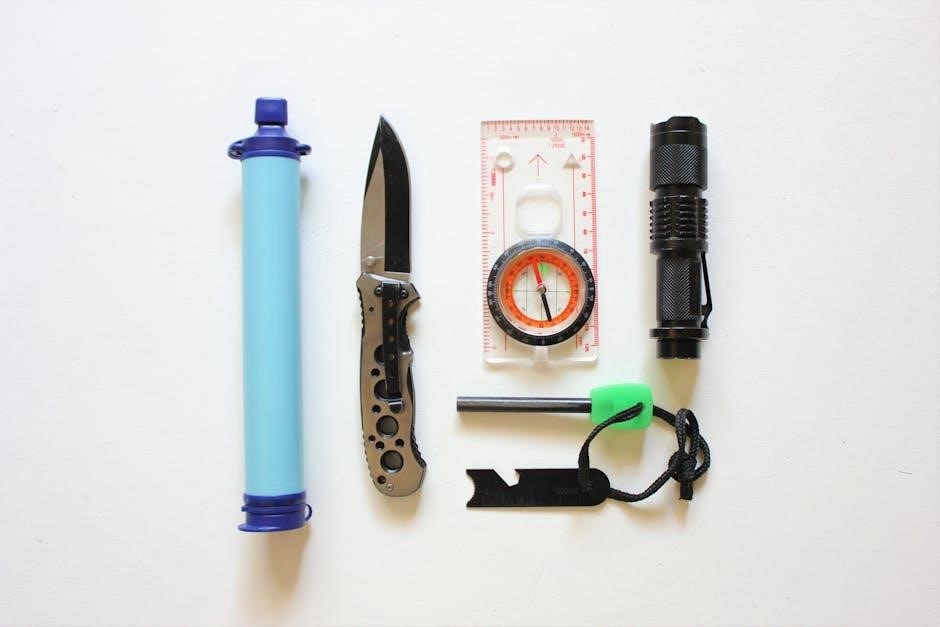
Essentials include a robust knife, fire starter (matches, lighter, ferro rod), water purification tablets or filter, and a signaling device like a whistle or mirror.

First-aid supplies, navigation tools (map, compass), and repair items (cordage, duct tape) are also crucial.

Prioritize lightweight, durable items and customize the kit to the specific environment and anticipated duration of the survival situation.

1.3 Psychological Preparation for Long-Term Survival

The “Wilderness Survival Handbook” PDF implicitly highlights the critical role of mental fortitude in prolonged survival scenarios.

Cultivating a positive mindset, accepting discomfort, and maintaining hope are paramount.

Practicing mindfulness and stress-reduction techniques can help manage anxiety and maintain focus.

Developing problem-solving skills and a resilient attitude are essential for overcoming obstacles.

Recognizing and addressing emotional challenges proactively will significantly increase the chances of successful long-term survival.

II. Shelter Construction

Shelter Construction

The “Wilderness Survival Handbook” PDF dedicates significant attention to shelter building, recognizing its fundamental importance for long-term survival.

Effective shelter protects against the elements, conserves energy, and provides a psychological safe haven.

The guide details various shelter types, ranging from quick emergency structures to robust, long-lasting constructions.

It covers woodland, snow, and desert shelter techniques, adapting to diverse environmental challenges.

Mastering shelter construction is crucial for enduring prolonged wilderness stays and maximizing survival prospects.

The PDF emphasizes shelter as vital for long-term survival, detailing techniques for woodland, snow, and desert environments, ensuring protection and comfort.

2.1 Site Selection: Location, Location, Location

According to the “Wilderness Survival Handbook” PDF, careful site selection is paramount for effective shelter construction and long-term survival. Prioritize locations offering natural protection from wind, rain, and extreme temperatures.

Consider proximity to essential resources like water sources and firewood, but balance this with avoiding floodplains or areas prone to landslides. Assess the surrounding terrain for potential hazards, such as falling trees or animal trails.

A sheltered location with readily available building materials significantly reduces energy expenditure and increases the longevity and effectiveness of your chosen shelter.

2.2 Types of Emergency Shelters (Short-Term)

The “Wilderness Survival Handbook” PDF details several rapid-deployment emergency shelters crucial for immediate protection. These include lean-tos constructed from branches and foliage, providing basic shielding from the elements.

Debris huts offer improved insulation, utilizing layers of leaves and vegetation for warmth. Natural formations like rock overhangs or dense tree cover can also serve as temporary refuge.

These short-term solutions prioritize speed and simplicity, buying valuable time to construct a more substantial, long-term shelter.

2.3 Finding Natural Shelters

The PDF resource emphasizes leveraging existing natural features for immediate shelter. Overhanging rocks, caves, and dense groupings of trees offer pre-existing protection from wind, rain, and sun.

Look for fallen logs creating a natural lean-to shape, or depressions in the landscape providing a windbreak. Utilizing these formations minimizes energy expenditure compared to full construction.

However, always assess for potential hazards like animal inhabitants or unstable structures before occupying any natural shelter.

2.4 Woodland Shelter Construction Techniques

The “Wilderness Survival Handbook” PDF details several woodland shelter builds. A lean-to, constructed with a sturdy ridgepole and angled branches, provides basic protection.

Debris huts, utilizing interwoven branches and thick layers of leaves, offer superior insulation. The A-frame shelter, similar to a lean-to but with supports on both sides, is also effective.

Prioritize a strong frame and thorough insulation to withstand weather conditions, ensuring a dry and relatively warm refuge within the forest environment.

2.5 Snow Shelter Construction (Igloos, Quinzees)

The PDF resource outlines snow shelter construction for frigid environments. Igloos, built from carefully cut snow blocks, offer robust protection, though require significant skill.

Quinzees, simpler to construct, involve piling snow into a mound and then hollowing it out. Both designs leverage snow’s insulating properties, creating a surprisingly warm interior.

Ventilation is crucial to prevent carbon dioxide buildup. Proper construction and maintenance are vital for survival in snowy, sub-zero conditions, as detailed in the handbook.

2.6 Desert Shelter Construction (Sun & Heat Protection)

The “Wilderness Survival Handbook” emphasizes protection from intense sun and heat in desert environments. Shelters should prioritize shade and ventilation, minimizing direct sunlight exposure.

Utilizing natural features like rock overhangs is ideal. If unavailable, constructing a lean-to with available materials – branches, cloth, or even digging into the earth – provides crucial relief.

Reflecting sunlight with materials like salvaged foil or light-colored fabrics can further reduce heat absorption, maximizing survival chances in arid landscapes.

2.7 Long-Term Pit Shelters: Design & Construction

According to the “Wilderness Survival Handbook,” pit shelters offer excellent insulation and protection for extended stays. Excavate a depression, reinforcing walls with interwoven branches and supporting posts.

A roof constructed from layers of branches, mud, and vegetation provides weatherproofing. Consider a smoke hole for ventilation if using a fire inside, crucial for warmth and cooking.

Proper drainage is vital to prevent flooding. These shelters require significant effort but offer superior long-term comfort and security compared to simpler constructions.

2.8 Thatched Huts: Building for Extended Stay

The “Wilderness Survival Handbook” details that thatched huts provide robust, long-term shelter. Construct a sturdy frame of interwoven branches, creating walls and a steeply pitched roof.

Thatching involves layering dense bundles of reeds, grasses, or leaves, secured tightly to the frame. This creates a waterproof and insulating barrier against the elements.

Properly built, these huts offer excellent protection from rain, wind, and sun, making them ideal for prolonged wilderness living and providing a comfortable haven;

III. Water Procurement & Purification

The “Wilderness Survival Handbook” emphasizes water as paramount for survival. Locate sources like springs, streams, or by digging. Purification is crucial; boiling for one minute kills pathogens.

Alternatively, filtration using cloth, sand, and charcoal can remove sediment. Solar stills, detailed in the guide, condense water from vegetation. Dew gathering and sap collection offer supplemental sources.

Understanding these techniques, as outlined in the PDF, ensures a reliable water supply, vital for long-term survival in any wilderness environment, safeguarding health and endurance.

Water Procurement & Purification

The PDF details locating and purifying water through boiling, filtration, solar stills, dew collection, and tapping sap—essential for long-term survival.

3.1 Locating Water Sources in Various Environments

The “Wilderness Survival Handbook” PDF emphasizes diligent searching for water in diverse terrains. In forests, look for green vegetation, following animal trails downhill often leads to sources.

Deserts require identifying washes and dry riverbeds, digging in the lowest points. Snowfields offer meltwater, while observing bird flight patterns can reveal distant water.

Understanding terrain is key; valleys collect runoff. The PDF stresses prioritizing finding any potential source, even if purification is then required for safe consumption.

Remember to conserve energy during the search, and prioritize areas with signs of life, as animals also require water for survival in these challenging landscapes.

3.2 Water Purification Methods (Boiling, Filtration, Chemical)

The “Wilderness Survival Handbook” PDF details crucial purification techniques. Boiling water for one minute eliminates most pathogens, a reliable method if fuel is available.

Filtration, using cloth or sand, removes sediment but doesn’t kill microbes. Chemical purification, with iodine or chlorine tablets, is effective but requires contact time.

The PDF stresses combining methods for maximum safety; filtering before boiling improves taste and clarity. Always follow dosage instructions for chemical treatments carefully.

Prioritize boiling when possible, as it’s the most dependable method for rendering found water sources safe for long-term consumption in a survival situation.

3.3 Identifying Natural Springs

The “Wilderness Survival Handbook” PDF highlights locating natural springs as a vital water source. Look for green vegetation in drier areas, indicating subsurface water.

Observe animal trails; they often lead to springs. Depressions in the landscape or consistently damp ground are also promising signs.

Springs often emerge at the base of hills or cliffs. While generally cleaner, always purify spring water before consumption using boiling, filtration, or chemical treatment.

Carefully assess the surrounding area for potential contamination sources before relying on a newly discovered spring for long-term hydration.

3.4 Digging for Water: Techniques & Considerations

The “Wilderness Survival Handbook” PDF details digging for water as a last resort. Focus on low-lying areas, stream beds, or damp ground.

Dig a hole several feet deep and wide, allowing time for water to seep in. Lining the hole with plastic sheeting can improve collection.

Be aware of soil type; sandy soil drains quickly, while clay holds water better. Always purify any water obtained through digging before drinking.

Consider the energy expenditure; digging is strenuous and may not yield results.

3.5 Dew Gathering & Catchment Systems

The “Wilderness Survival Handbook” PDF explains dew gathering as a supplemental water source; Utilize large cloths or plastic sheeting spread over vegetation overnight.

As dew condenses, gently tilt the material to collect the water into a container. Catchment systems involve directing rainfall into containers using improvised gutters.

Large leaves, bark, or even clothing can be fashioned into effective channels. Prioritize cleanliness to avoid contamination. Dew and rainwater require purification.

This method is most effective in areas with significant temperature fluctuations.

3.6 Solar Still Construction & Operation

The PDF resource details solar still construction for extracting water from the ground or vegetation. Dig a pit and place a container in the center to collect water.

Cover the pit with plastic sheeting, weighted down around the edges, and place a small stone in the center to create a cone shape directing condensation.

Sunlight evaporates moisture from the soil or vegetation, which condenses on the plastic and drips into the container.

This process provides potable water, though output varies with sunlight intensity.

3.7 Sap Gathering as a Water Source

The “Wilderness Survival Handbook” PDF outlines sap gathering as a viable, though often limited, water source in certain environments. Specifically, maple, birch, and willow trees can yield drinkable sap.

Tapping involves drilling a hole into the tree and collecting the flowing sap. While not a primary water source, it can supplement other methods.

It’s crucial to avoid over-tapping, which can harm the tree, and to understand that sap yields are seasonal and dependent on tree health.

IV. Firecraft & Long-Term Fire Management

Firecraft & Long-Term Fire Management

The “Wilderness Survival Handbook” PDF emphasizes fire as central to long-term survival, detailing material gathering and efficient fire lays like tipi, pit, and ring formations.

It covers primitive ignition methods – bow drill, hand drill, fire saw, and plow – requiring significant practice.

Crucially, the guide stresses ember preservation techniques, vital for maintaining a continuous flame without constant re-ignition, ensuring warmth, cooking, and psychological well-being.

The PDF details gathering materials and building efficient fire lays, plus primitive methods like bow drills for sustained warmth and cooking.

4.1 Gathering Firewood & Tinder Materials

Sustained fire requires diligent resource collection, as outlined in the survival guide PDF. Prioritize dry, dead wood – standing deadwood is often best, avoiding ground moisture.

Gather a variety of sizes, from small kindling to larger fuel wood, ensuring a continuous supply. Tinder materials are crucial; birch bark, dry grasses, and bird nests are excellent choices.

Prepare a substantial stockpile, anticipating inclement weather and extended periods without foraging opportunities. Proper wood storage, protected from rain and snow, is vital for long-term fire maintenance.

Remember to consider the energy expenditure of gathering versus the heat gained from the fire, optimizing efficiency for prolonged survival.

4.2 Basic Fire Laying Techniques (Tipi, Pit, Ring)

The wilderness survival PDF details several fire lays for varying conditions. The tipi lay, constructed with kindling leaning inwards, provides excellent initial heat and airflow.

Pit fires, dug into the ground, offer wind protection and conserve fuel, ideal for longer burns. Ring fires, encircled by stones, contain the flames and reflect heat outwards.

Mastering these techniques ensures efficient combustion and minimizes wood consumption. Consider the environment; pit fires are unsuitable in wet conditions.

Practice building each lay to develop proficiency and adapt to available resources.

4.3 Primitive Fire-Starting Methods: Bow Drill

The “Wilderness Survival Handbook” PDF extensively covers the bow drill method, a challenging but reliable primitive fire-starting technique. It requires a spindle, hearth board, bow, and socket.

Consistent downward pressure and rapid bow movement create friction, generating heat and eventually an ember. Proper wood selection is crucial – dry, soft woods work best for the hearth and spindle.

Carefully nurture the ember with tinder, gently blowing to encourage a flame.

Practice is essential to master the coordination and technique required for success.

4.4 Primitive Fire-Starting Methods: Hand Drill

The hand drill, detailed in the “Wilderness Survival Handbook” PDF, is a physically demanding fire-starting method. It involves rapidly rotating a spindle between your hands against a hearth board.

This friction generates heat, creating an ember. Success hinges on proper technique, consistent pressure, and speed. Dry, soft wood is vital for both spindle and hearth.

Blisters are common, necessitating hand protection if possible.

Carefully transfer the ember to a tinder bundle and gently blow to ignite a flame.

4.5 Primitive Fire-Starting Methods: Fire Saw & Plow

The “Wilderness Survival Handbook” PDF outlines the fire saw and plow methods as alternatives to the hand drill. The fire saw utilizes a hardened stick rapidly sawing across a softer wood base.

The fire plow involves rubbing a pointed stick along a groove in a softer wood board, creating friction and eventually, an ember.

Both require significant effort and dry materials.

Success depends on consistent pressure and speed, similar to the hand drill technique, demanding patience and practice.

4.6 Creating Long-Lasting Embers & Coal Preservation

The “Wilderness Survival Handbook” PDF stresses ember preservation for reliable fire maintenance. Once an ember is created, carefully transfer it to a bird’s nest of dry, fluffy tinder.

Protect this nest from wind and moisture.

For long-term preservation, char cloth—partially burned cotton—holds embers exceptionally well.

Wrap the ember and char cloth in multiple layers of bark or leaves, creating an insulated container to slow cooling and maintain a viable coal for extended periods.

V. Navigation & Orientation

The “Wilderness Survival Handbook” PDF highlights navigation as critical for long-term survival. If lost, staying calm and assessing your surroundings is paramount before attempting movement.

Basic direction-finding utilizes the sun’s path and natural indicators.

Mastering map and compass skills, including understanding declination, allows for precise route planning and bearing following.

Combining map and compass techniques ensures accurate travel, preventing further disorientation and maximizing chances of reaching safety or a desired destination.

Navigation & Orientation

The PDF resource emphasizes staying calm if lost, utilizing basic direction finding, and mastering map & compass skills for successful route planning.

5;1 What to Do if Lost: Staying Calm & Assessing

The “Wilderness Survival Handbook” PDF stresses the paramount importance of maintaining composure when disoriented.

Immediately halt, resist panic, and systematically assess your situation – recall your last known location and intended route.

Conserve energy, seek shelter, and ration supplies.

Attempt to retrace your steps if feasible, but avoid wandering aimlessly.

Prioritize signaling for help using available resources, and carefully evaluate your surroundings for potential hazards.

A clear head is your most valuable asset in a lost situation, enabling rational decision-making and increasing your chances of a safe return.

5.2 Basic Direction Finding Without Tools

The “Wilderness Survival Handbook” PDF details several methods for determining direction without a compass.

Utilize the sun’s position, remembering it rises roughly in the east and sets in the west.

Observe shadow-tip movement throughout the day to establish an east-west line.

In the Northern Hemisphere, moss often grows more abundantly on the north side of trees.

Star navigation, particularly using Polaris (the North Star), provides a reliable reference point at night.

These techniques, while approximate, can significantly aid in maintaining a sense of direction.

5.3 Map and Compass Fundamentals

The “Wilderness Survival Handbook” PDF emphasizes map and compass proficiency as vital skills.

A topographic map displays terrain features using contour lines, indicating elevation changes.

Understand map scales to accurately measure distances in the field.

A compass indicates magnetic north; however, true north differs due to magnetic declination.

Learn to identify map symbols representing landmarks, vegetation, and water sources.

Mastering these fundamentals is crucial for effective navigation and avoiding disorientation in the wilderness.

5.4 Using Map and Compass Together for Navigation

The PDF resource details combining map reading with compass skills for precise navigation.

Orient the map to align with your surroundings using the compass, ensuring accurate direction finding.

Identify your current location on the map using recognizable landmarks and terrain features.

Determine your desired destination and draw a line on the map representing your intended route.

Take a bearing from your location to your destination using the compass, adjusting for declination.

Follow the bearing, maintaining direction, and regularly checking your progress on the map.

5.5 Understanding and Adjusting for Declination

The “Wilderness Survival Handbook” PDF emphasizes declination’s crucial role in accurate navigation.

Declination is the angular difference between true north and magnetic north, varying by location.

Maps indicate local declination; ignoring it leads to significant navigational errors over distance.

To adjust, add or subtract the declination angle to your compass bearing, depending on its direction.

East declination requires subtracting from the bearing, while west declination necessitates addition.

Regularly check and update declination values as they change over time; accurate adjustments are vital.

5.6 Following a Bearing & Route Planning

The “Wilderness Survival Handbook” PDF details bearing-following techniques for efficient travel.

After adjusting for declination, set your compass to the calculated bearing and maintain that direction.

Route planning involves identifying landmarks along the bearing to confirm progress and avoid drifting.

Consider terrain features – hills, rivers – and adjust the route accordingly for easier travel.

Break long distances into manageable legs, rechecking the bearing at each stop.

Careful planning and consistent bearing adherence are key to reaching your destination safely and efficiently.

VI. Medical & First Aid

The “Wilderness Survival Handbook” PDF emphasizes a well-stocked first aid kit as paramount for long-term survival.

It details treating heat-related illnesses like heat exhaustion and heatstroke, focusing on cooling and hydration.

Managing cold injuries – hypothermia and frostbite – requires warming techniques and preventing further heat loss.

The guide also covers addressing physical injuries, from sprains and fractures to wounds and infections.

Prioritizing prevention, proper sanitation, and early intervention are crucial in a remote setting.

Knowledge of wilderness first aid can significantly increase chances of survival and recovery.

Medical & First Aid

The PDF resource details essential first aid, covering heat and cold injuries, physical trauma, and the importance of a well-stocked survival kit.

6.1 Wilderness First Aid Kit Essentials

A comprehensive wilderness first aid kit, as detailed in the referenced PDF, is paramount for long-term survival. Essential components include bandages of various sizes, antiseptic wipes, pain relievers, blister treatment, and gauze pads.

Crucially, the kit should contain tools like tweezers for splinter removal, safety pins for securing bandages, and medical tape. Don’t forget items for specific environmental hazards – anti-itch cream for insect bites, and supplies for treating burns.

Knowledge of how to use these items is as vital as possessing them; consider including a wilderness first aid manual for reference.

6.2 Treating Heat-Related Illnesses

The “Wilderness Survival Handbook” PDF emphasizes recognizing and treating heat-related illnesses, crucial in warmer climates. Heat exhaustion presents with heavy sweating, weakness, and nausea; move the affected person to shade and administer cool water.

More severe, heatstroke requires immediate action – cooling the body with any available means (water, shade, fanning) and seeking urgent medical attention if possible.

Prevention is key: stay hydrated, avoid strenuous activity during peak heat, and wear appropriate clothing.

6.3 Managing Cold-Related Injuries (Hypothermia, Frostbite)

The “Wilderness Survival Handbook” PDF details managing hypothermia and frostbite, critical in cold environments. Hypothermia, characterized by shivering and confusion, requires warming the core – shelter, dry clothing, and warm (not hot) drinks.

Frostbite, affecting extremities, demands gentle rewarming in lukewarm water, avoiding friction. Prevention involves staying dry, layering clothing, and seeking shelter from wind.

Recognizing early symptoms is vital for effective treatment and preventing lasting damage.

Categories
Manuals

manual plt count formula

Manual platelet counting, a foundational hematology technique, estimates platelet numbers using a hemocytometer and microscopic observation․ This method relies on a specific formula – often 9․4 x 0․22 x 103/FS – for accurate results․

Importance of Platelet Count

Platelet counts are critically important in assessing a patient’s hemostatic capability, influencing bleeding risk and guiding clinical decisions․ Accurate quantification, whether through automated or manual methods, is essential for diagnosing conditions like thrombocytopenia and thrombocytosis․

The manual platelet count, while labor-intensive, provides a valuable check against automated results and is crucial when analyzers are unavailable or malfunctioning․ Utilizing the correct formula – like 9․4 x 0․22 x 103/FS – ensures reliable estimations, directly impacting patient care and treatment strategies․ Understanding the formula’s components aids in interpreting results and identifying potential errors․

Principle of Manual Platelet Counting

Manual platelet counting hinges on diluting whole blood to a specific ratio, typically with ammonium oxalate, to facilitate visualization under a microscope․ This dilution allows for a manageable number of platelets within the hemocytometer’s defined counting chambers․

The core principle involves counting platelets within a known volume and applying a formula – such as 9․4 x 0․22 x 103/FS – to extrapolate the total platelet concentration per microliter․ This formula accounts for dilution factors and the hemocytometer’s grid dimensions, providing an estimated platelet count․ Accurate application of this formula is paramount for reliable results․

Materials Required for Manual Platelet Count

Essential materials include a hemocytometer, microscope, diluted blood (using ammonium oxalate), and a formula for calculation, like 9․4 x 0․22 x 103/FS․

Blood Sample Collection

Venous blood collection is crucial for accurate manual platelet counts․ Typically, 20 µL of whole blood is required for dilution and subsequent analysis․ Anticoagulation is vital to prevent clotting, with ammonium oxalate being a common choice for preparing the diluting fluid․

Proper technique minimizes sample contamination and ensures representative platelet numbers․ The collected sample should be thoroughly mixed to ensure homogeneity before dilution, impacting the final formula application․ Avoiding hemolysis during collection is also essential, as damaged cells can interfere with accurate platelet identification and counting․ Timely analysis post-collection is recommended to maintain platelet integrity․

Diluting Fluid (Ammonium Oxalate) Preparation

Ammonium oxalate serves as the preferred diluting fluid in manual platelet counts, preventing platelet clumping and preserving their morphology․ A common concentration is a 1% solution, prepared by dissolving ammonium oxalate crystals in distilled water․ Precise preparation is vital, as the dilution factor directly impacts the formula used for calculating the platelet count․

The fluid’s pH must be carefully maintained to ensure optimal platelet preservation․ Proper mixing is essential to achieve a homogenous solution․ Storage should be in a clean, sealed container to prevent contamination․ Regular checks of the solution’s clarity and pH are recommended to guarantee reliable results․

Microscope and Hemocytometer

The hemocytometer, a specialized glass slide, features a precisely etched grid for cell counting․ Coupled with a microscope, it enables visual platelet enumeration․ Accurate counting relies on proper microscope calibration and illumination․ The Neubauer chamber, a standard hemocytometer type, has specific grid dimensions crucial for the formula used to calculate platelet concentration․

Understanding the hemocytometer’s field size is paramount․ The formula often incorporates a field size correction factor (FS) to account for variations․ A 100x oil immersion objective is typically used for optimal platelet visualization․ Maintaining a clean hemocytometer and microscope lens is essential for accurate results․

Procedure for Manual Platelet Count

The process involves diluting blood with ammonium oxalate, loading the hemocytometer, and counting platelets under a microscope, applying the formula for final calculation․

Blood Dilution

Blood dilution is a critical step in manual platelet counting, ensuring an optimal platelet concentration for accurate assessment․ Typically, 20 µL of whole blood is mixed with 1․8 mL of 1% ammonium oxalate solution․ This dilution factor (1:90) is essential for applying the counting formula effectively․

Allowing the mixture to stand for approximately 15 minutes facilitates complete mixing and prevents platelet clumping․ Proper dilution is paramount; deviations can significantly impact the final platelet count calculation, leading to inaccurate results․ The formula relies on this consistent dilution to provide a reliable estimate․

Hemocytometer Preparation and Loading

The hemocytometer, a specialized glass slide, requires meticulous preparation for accurate platelet counting․ After cleaning, the Neubauer chamber is loaded with 10 µL of the diluted blood sample․ Careful filling is crucial to avoid overfilling or underfilling, which can affect the counting formula’s application․

Allowing the sample to settle for a few minutes ensures even distribution․ The central large square of the hemocytometer is typically used for platelet counting, adhering to standardized grid dimensions․ Correct loading directly impacts the validity of the platelet count formula and the final result․

Platelet Identification and Counting

Under the microscope, platelets appear as small, granular, refractile bodies․ Accurate identification is paramount, distinguishing them from other cellular debris․ Count platelets within the central large square of the hemocytometer, typically counting in at least four squares to improve precision․

The average platelet count from these squares is then used in the formula for final calculation․ Consistency in identifying and counting platelets is vital, as errors here directly impact the accuracy of the platelet count and the reliability of the applied formula․

Calculation of Platelet Count

Platelet counts are determined using a formula incorporating the average platelet count per field, dilution factor, and field size correction․ This yields platelets/µL․

The Basic Formula

The fundamental formula for manual platelet count calculation is designed to standardize results considering dilution and hemocytometer characteristics․ Initially, the average platelet count from multiple fields is determined․ This average is then multiplied by a dilution factor, typically 20,000, reflecting the initial blood dilution with ammonium oxalate․

However, a crucial correction is often necessary: the field size correction factor․ Different hemocytometers have varying field sizes․ The commonly used formula, 9․4 x 0․22 x 103/FS, adjusts for this, where FS represents the field size in millimeters․ Applying this formula ensures accurate platelet concentration determination in cells per microliter (µL) or cells per liter (L)․

Field Size Correction Factor

The field size correction factor is vital for accurate manual platelet counts, as hemocytometer grid dimensions vary․ The standard formula, 9․4 x 0․22 x 103/FS, incorporates this adjustment․ ‘FS’ denotes the field size of the hemocytometer’s optical identification field (OIF), measured in millimeters․

Without this correction, platelet counts can be significantly inaccurate․ The formula essentially normalizes the count to a standard field size․ Determining the precise FS for your specific hemocytometer is crucial․ This factor ensures consistency and comparability of results between different laboratories and instruments, ultimately improving diagnostic reliability․

Applying the Formula: Example Calculation

Let’s illustrate with an example․ Suppose you count an average of 8 platelets in each of four hemocytometer OIFs․ Using the formula: Platelets (/µL) = Average platelets/OIF x 20,000․ Therefore, 8 platelets/OIF x 20,000 = 160,000/µL or 160 x 109/L․

Alternatively, incorporating the field size correction: if FS = 0․1mm, the calculation becomes 9․4 x 0․22 x 103/0․1 x 8 = 165,280/µL․ This demonstrates how the formula translates microscopic observations into a quantifiable platelet concentration, essential for clinical interpretation and patient care․

Quality Control in Manual Platelet Counting

Rigorous quality control is vital for accurate results․ Proper dilution, accurate platelet identification, and replicate counting minimize errors in the formula application․

Proper Dilution Technique

Accurate dilution is paramount in manual platelet counting, directly impacting the final formula calculation․ Typically, a 1:20 dilution is employed – 20µL of blood mixed with 1․8mL of ammonium oxalate diluting fluid․

Consistent mixing is crucial to ensure a homogenous suspension, preventing platelet clumping and uneven distribution․ Incorrect dilution leads to proportionally inaccurate platelet counts․ Precise pipetting and thorough mixing are essential steps․ The diluting fluid, ammonium oxalate, prevents platelet aggregation, maintaining sample integrity for reliable counting and formula application․

Following established protocols minimizes errors and ensures dependable results․

Accurate Platelet Identification

Reliable platelet identification is vital when applying the manual counting formula․ Platelets appear as small, granular, refractile bodies, significantly smaller than red blood cells․ Distinguishing them from debris or other cellular fragments requires careful observation under the microscope․

Consistent identification criteria are essential for minimizing inter-observer variability․ Counting only clearly defined platelets ensures the accuracy of the final formula-derived platelet count․ Familiarity with platelet morphology and diligent attention to detail are key skills․

Proper lighting and microscope adjustment enhance visibility․

Replicate Counting for Accuracy

To enhance the reliability of the platelet count derived from the formula, performing replicate counts is crucial․ Counting multiple hemocytometer squares – typically five – and averaging the results minimizes the impact of random distribution errors․

This approach improves the precision of the final platelet concentration calculation․ Variations between counts are expected, but averaging reduces their influence․ The standard formula assumes a uniform distribution, which replicate counting helps validate․

Consistent application of the formula across replicates ensures a more representative result․

Comparison with Automated Methods

Automated counters offer speed and precision, utilizing technologies beyond the manual formula․ While convenient, understanding the formula’s basis remains vital for interpreting results and troubleshooting․

Advantages of Automated Counters

Automated platelet counters represent a significant advancement over manual methods relying on a formula․ These instruments deliver rapid results, processing numerous samples efficiently, which is crucial in clinical settings demanding quick turnaround times․ They minimize subjective interpretation inherent in microscopic counts, enhancing objectivity and reproducibility․

Modern hematology analyzers employ diverse technologies – electrical impedance, light scatter, fluorescence, and immunologic recognition – providing comprehensive platelet analysis beyond simple enumeration․ This includes platelet size distribution and platelet-large cell ratio (PLCR) assessment, offering valuable diagnostic insights․ Furthermore, automated systems reduce labor costs and the potential for human error associated with manual counting and formula application․

Limitations of Manual Counting

Despite its historical significance, manual platelet counting, dependent on a formula for calculation, possesses inherent limitations․ The process is time-consuming and labor-intensive, making it impractical for high-volume laboratories․ Subjectivity in platelet identification and counting introduces potential for error, impacting accuracy and reproducibility․

Achieving consistent results requires skilled technicians and meticulous technique․ Factors like platelet clumping and uneven blood distribution can significantly skew counts, even with careful application of the formula․ Furthermore, the method struggles with differentiating between platelets and other similarly sized cellular debris, potentially leading to inaccurate estimations․

Clinical Significance of Platelet Count

Platelet counts, determined via formula-based manual methods, are crucial for diagnosing bleeding disorders like thrombocytopenia and thrombocytosis, impacting patient care significantly․

Thrombocytopenia

Thrombocytopenia, a condition characterized by abnormally low platelet counts, significantly increases the risk of bleeding․ Manual platelet counting, utilizing a dilution formula (like 9․4 x 0․22 x 103/FS), is vital for diagnosis and monitoring․

Hemorrhage, a frequent complication in acute leukemia, often stems from thrombocytopenia and related coagulation defects․ Accurate platelet enumeration, even via manual methods, guides treatment decisions․ Low counts necessitate careful clinical assessment, potentially requiring platelet transfusions or other interventions to mitigate bleeding risks․ The formula ensures reliable quantification for effective patient management․

Thrombocytosis

Thrombocytosis signifies an elevated platelet count, potentially indicating underlying conditions like inflammation, infection, or myeloproliferative disorders․ While automated analyzers are common, manual platelet counting, employing a dilution formula (e․g․, 9․4 x 0․22 x 103/FS), remains valuable for confirmation and quality control․

Although less frequent than thrombocytopenia, high platelet levels can increase the risk of thrombosis․ Accurate quantification, achieved through meticulous counting and formula application, is crucial for appropriate clinical evaluation․ Understanding the cause of thrombocytosis guides treatment strategies, ranging from observation to targeted therapies․

Sources of Error in Manual Platelet Counting

Inaccurate dilutions or misapplication of the counting formula (like 9․4 x 0․22 x 103/FS) significantly impact results, leading to false platelet counts and misdiagnosis․

Clumping of Platelets

Platelet clumping is a frequent source of error in manual counts, falsely lowering the calculated platelet concentration․ This occurs when platelets aggregate, appearing as larger masses instead of individual cells under the microscope․ Consequently, they are often mistaken for debris or not counted at all․

Proper anticoagulation, using a correctly prepared diluting fluid like ammonium oxalate, is crucial to prevent this․ If clumping is observed, the sample should be discarded and a new collection attempted․ The standard formula – such as 9․4 x 0․22 x 103/FS – assumes a uniform platelet distribution, which clumping disrupts․

Careful sample mixing and immediate analysis are also vital to minimize clumping artifacts․

Uneven Blood Distribution

Uneven blood distribution within the hemocytometer chambers significantly impacts the accuracy of manual platelet counts․ If the blood isn’t uniformly dispersed, some fields will appear denser with platelets than others, leading to inconsistent counts and a flawed final result․

Proper loading of the hemocytometer is essential; avoid overfilling or underfilling the chambers․ Gentle mixing of the diluted blood sample immediately before loading helps ensure even distribution․ The formula used – like 9․4 x 0․22 x 103/FS – relies on a representative sample across all counted fields․

Consistent technique and careful observation are key to mitigating this error․

Incorrect Dilution

Incorrect dilution is a critical source of error in manual platelet counting, directly affecting the final calculated result․ The standard dilution typically involves mixing a small volume of blood (e․g․, 20 µL) with a diluting fluid like ammonium oxalate (e․g․, 1․8 mL)․

Any deviation from this precise ratio will skew the platelet concentration․ The formula used for calculation – such as 9․4 x 0․22 x 103/FS – assumes an accurate dilution factor․

Careful pipetting and thorough mixing are vital․ Errors in measuring either the blood or diluent volume will propagate through the calculation, yielding an inaccurate platelet count․

Categories
Manuals

it100 earbuds manual

The it100 earbuds offer a seamless audio experience, bridging time zones with immersive sound. Sri Lanka’s time difference highlights global connectivity, mirroring the earbuds’ universal appeal.

What are it100 Earbuds?

The it100 Earbuds represent a cutting-edge leap in personal audio technology, designed for the modern listener. Much like understanding the time difference between Germany and Sri Lanka – a 4.5-hour shift – requires precise knowledge, these earbuds deliver a precisely tuned audio experience. They are truly wireless, offering freedom and flexibility for various lifestyles.

Located in cities like Negombo, Sri Lanka, people experience time differently; similarly, the it100 earbuds adapt to your rhythm. They provide high-fidelity sound, ensuring clarity whether you’re navigating bustling streets or enjoying quiet moments. These earbuds are more than just accessories; they’re a portal to immersive soundscapes.

Key Features and Specifications

The it100 Earbuds boast Bluetooth 5.3 for a stable connection, mirroring the reliable time synchronization needed for global comparisons like those between Colombo and Berlin. They feature active noise cancellation (ANC) and an impressive 24-hour battery life with the charging case.

Each earbud delivers crisp audio via 10mm dynamic drivers. Water resistance (IPX5) protects against sweat and splashes, ideal for active lifestyles. The compact design, similar to Negombo’s coastal location, offers portability. Included are multiple ear tip sizes for a customized fit, ensuring comfort and optimal sound isolation.

Unboxing and Components

Carefully open the package to reveal your it100 earbuds, a charging case, and essential accessories – a journey mirroring Sri Lanka’s diverse locales.

What’s in the Box?

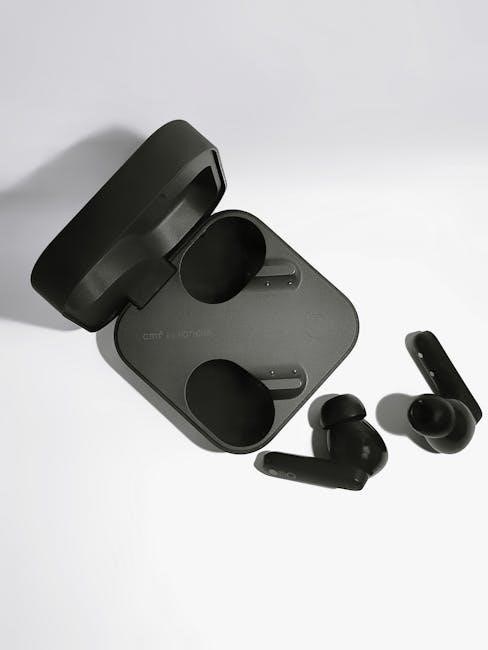
Your it100 earbuds package contains several key components designed for an optimal listening experience. You’ll find the it100 wireless earbuds themselves, nestled securely within the protective charging case. Included are multiple sets of silicone ear tips – small, medium, and large – to ensure a comfortable and personalized fit for various ear sizes. A USB-C charging cable is provided for powering up the case, and a quick start guide offers initial setup instructions. Reflecting Sri Lanka’s detailed craftsmanship, each element is thoughtfully included. Finally, a warranty card details your coverage information, offering peace of mind.

Identifying the Earbud Components

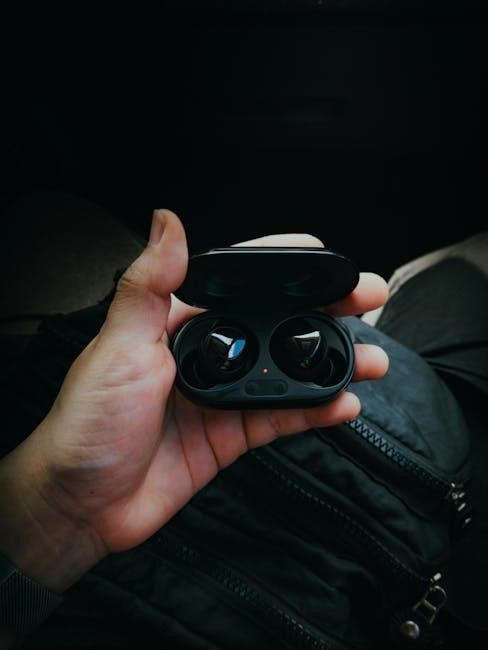
Each it100 earbud features a precisely engineered design. Locate the touch-sensitive control panel on the exterior surface, used for managing playback and calls. The inward-facing portion houses the custom-tuned audio driver, delivering rich sound. Notice the integrated microphone for clear voice capture during calls. The charging contacts on the bottom ensure a secure connection within the case. Like the time zones of Sri Lanka and Germany, each component works in harmony. Finally, identify the LED indicator light, signaling power and pairing status.

Pairing and Connecting

Establishing a connection is swift; mirroring Sri Lanka’s rapid development, the it100 earbuds seamlessly link to your device via Bluetooth for uninterrupted listening.

Initial Pairing with Your Device

To begin, ensure your it100 earbuds are fully charged. Remove them from the charging case – they will automatically enter pairing mode, indicated by a flashing light. Navigate to the Bluetooth settings on your smartphone, tablet, or computer. Locate and select “it100 Earbuds” from the list of available devices.

Confirm the pairing request if prompted. A successful connection is usually signaled by a solid light on the earbuds and a confirmation message on your device. Like bridging the time difference between Germany and Sri Lanka, this establishes a reliable link. Enjoy your audio!

Bluetooth Connection Troubleshooting

If your it100 earbuds fail to connect, first verify Bluetooth is enabled on your device. Ensure the earbuds are within range (typically 33 feet). Try forgetting the “it100 Earbuds” from your device’s Bluetooth list and re-pairing. Restarting both your device and the earbuds can often resolve connection issues, similar to resetting a time difference calculation.

Check for interference from other wireless devices. If problems persist, ensure the earbuds have sufficient charge. A stable connection, like accurate timekeeping in Colombo, is crucial for optimal performance.

Understanding the Controls

Mastering the it100 earbuds’ controls unlocks a world of convenience, mirroring Sri Lanka’s precise time management. Intuitive operation enhances your listening experience.

Touch Controls Explained

The it100 earbuds utilize intuitive touch controls for effortless operation. A single tap on either earbud pauses/plays music or answers/ends calls. Double-tapping the right earbud skips to the next track, while a double-tap on the left returns to the previous one.

For volume control, swipe up on the right earbud to increase and down to decrease. Activating your voice assistant is as simple as a long press on either earbud. These responsive controls, like Sri Lanka’s accurate timekeeping, ensure seamless interaction with your audio.

Button Controls Explained (If Applicable)

The it100 earbuds feature a multi-function button on each earbud for enhanced control. A short press on either button powers the earbuds on or off. A longer press initiates Bluetooth pairing mode, mirroring the precise time synchronization needed across global locations like Sri Lanka and Germany.

Triple-pressing a button activates the voice assistant. The buttons offer tactile feedback, ensuring reliable operation. Like understanding time zone differences, mastering these controls unlocks the full potential of your it100 earbuds.

Charging the it100 Earbuds

Consistent power ensures uninterrupted listening, much like reliable timekeeping across continents. The charging case provides multiple charges, mirroring Sri Lanka’s consistent daylight hours.

Charging Case Operation

The it100 charging case is designed for convenient and efficient power replenishment. To charge the earbuds, simply place them inside the case, ensuring proper contact with the charging pins. The case’s LED indicators will illuminate, displaying the charging status.

A full charge of the case, achievable via the provided USB-C cable, can provide multiple full earbud charges – mirroring the consistent energy of a Sri Lankan day. The case itself can be charged while the earbuds are inside, offering a streamlined charging process. Always use a certified USB adapter for optimal charging performance and longevity.

Earbud Charging Indicators

The it100 earbuds utilize clear LED indicators to communicate their charging status. A pulsing light signifies the earbuds are actively charging within the case. A solid light indicates a full charge has been reached, similar to a consistent time signal from Colombo;

If the indicator flashes rapidly, it may suggest a connection issue or a low case battery. Refer to the troubleshooting section for further assistance. Understanding these indicators ensures optimal power management, keeping you connected – just as Sri Lanka remains connected globally.

Sound Quality and Audio Settings

Experience rich, balanced audio with the it100 earbuds, mirroring Sri Lanka’s diverse soundscape. Adjust settings for optimal listening, regardless of the time zone.

Optimizing Audio for Different Genres

The it100 earbuds deliver versatile sound, adaptable to various musical genres. For bass-heavy electronic music, slightly boost lower frequencies for a more impactful experience. Classical and acoustic genres benefit from a flatter EQ profile, preserving the natural instrument timbre.

Vocal-focused tracks, like pop or podcasts, shine with a slight mid-range emphasis, enhancing clarity; Experiment with subtle adjustments; remember, personal preference is key. Consider the time of day – energetic music for active moments, calming tunes for relaxation, much like adjusting to different time zones.

Equalizer Settings (If Supported)

If your it100 earbuds support an equalizer, unlock personalized audio control. Preset options like “Bass Boost,” “Treble Boost,” or “Vocal” offer quick adjustments. For custom tuning, explore individual frequency bands. Lower frequencies (60-250Hz) control bass, mid-frequencies (250Hz-4kHz) impact vocals and instruments, and higher frequencies (4kHz-20kHz) define clarity and sparkle.

Subtle adjustments are best; drastic changes can distort sound. Like navigating time differences, finding the right balance takes experimentation. Save your preferred settings for consistent listening enjoyment, mirroring Sri Lanka’s precise timekeeping.

Comfort and Fit

Achieve optimal comfort with the correct ear tip size, ensuring a secure fit. Like precise time synchronization, a proper seal maximizes audio quality and stability.

Choosing the Right Ear Tip Size

The it100 earbuds include multiple ear tip sizes – Small, Medium, and Large – to accommodate diverse ear canals. Proper fit is crucial for both comfort and sound isolation. Begin with the Medium size; if it feels loose, try the Large.

If the Large size causes discomfort or pressure, revert to the Medium or try the Small. A secure, yet gentle, fit is ideal. Experiment with each size, noting which provides the best passive noise cancellation and a stable hold during movement. Remember, like adjusting to a new time zone, finding the right fit takes a little adjustment!

Ensuring a Secure and Comfortable Fit

Once you’ve selected the appropriate ear tip size, gently insert the it100 earbud into your ear canal. Twist slightly forward to create a secure seal – similar to adapting to a new local time. The earbud should sit snugly without causing pressure or discomfort.

Perform a gentle head shake to confirm the fit. If the earbuds dislodge easily, re-evaluate the ear tip size. A comfortable fit enhances audio quality and prevents fatigue during extended listening sessions, mirroring the ease of adjusting to a different time zone.

Troubleshooting Common Issues

Addressing connectivity or audio problems is key; like navigating time differences, solutions exist. Consistent troubleshooting ensures optimal performance and a smooth listening experience.

No Sound Output

If you experience no sound, first verify the earbuds are fully charged and properly connected via Bluetooth to your device. Ensure the volume on both your earbuds and the paired device are raised to an audible level.

Check that the correct audio output device is selected within your device’s settings – sometimes it defaults to speakers instead of the Bluetooth connection. Try disconnecting and re-pairing the earbuds.

If the issue persists, test with another audio source to isolate whether the problem lies with the earbuds or the original device. Remember, consistent connectivity, like accurate timekeeping, is crucial!

Connection Problems

Experiencing Bluetooth connection issues? Ensure the earbuds are within range (typically 33 feet) of your paired device. Interference from other wireless devices can disrupt the signal; try moving away from potential sources.

Confirm Bluetooth is enabled on your device and that the it100 earbuds are discoverable. “Forget” the earbuds in your device’s Bluetooth settings and re-pair them.

Like navigating time differences between Sri Lanka and Germany, a stable connection requires clear signals. Restarting both your device and the earbuds can often resolve connectivity glitches.

Charging Issues

If your it100 earbuds aren’t charging, first verify the charging case has sufficient power. Use a compatible USB-C cable and adapter – a slow charge might indicate a faulty cable or adapter.

Ensure the earbuds are correctly seated within the charging case, making firm contact with the charging pins. Clean the charging contacts on both the earbuds and the case with a dry, soft cloth.

Just as accurate timekeeping is crucial, consistent charging is vital. If problems persist, try a different USB port or contact customer support.

Maintenance and Care

Regular cleaning with a soft, dry cloth ensures optimal performance, much like maintaining accurate timekeeping in diverse locations like Sri Lanka and Germany.

Cleaning the Earbuds

To maintain peak performance and hygiene, regularly clean your it100 earbuds. Gently wipe the earbuds with a soft, dry, lint-free cloth. For stubborn debris, slightly dampen the cloth with water – ensure no liquid enters the earbud openings. Avoid using harsh chemicals, solvents, or abrasive cleaners, as these can damage the components. Pay particular attention to the ear tips, removing any wax or buildup. Like precise time synchronization across global locations, consistent cleaning ensures reliable functionality. Proper care extends the lifespan of your earbuds, delivering consistent audio quality.

Storing the Earbuds Properly

Proper storage safeguards your it100 earbuds from damage and ensures longevity. When not in use, always store the earbuds in their charging case. This protects them from dust, moisture, and accidental impacts. Avoid exposing the earbuds or charging case to extreme temperatures or direct sunlight. Similar to maintaining accurate timekeeping across different regions, consistent, careful storage preserves the earbuds’ functionality. Do not store the case with anything pressing against it, and keep it in a dry location.

Safety Precautions

Prioritize hearing health: moderate volume levels are crucial. Like respecting time differences, mindful listening prevents strain and ensures a positive audio experience for all.

Listening Volume Guidelines

Protect your hearing by adhering to safe listening practices. Prolonged exposure to high volumes can cause irreversible damage. We recommend starting at a low volume and gradually increasing it to a comfortable level – typically below 60% of the maximum.

Be mindful of your surroundings; avoid using earbuds in situations where awareness of ambient sounds is critical, such as while driving or crossing streets.

Just as respecting time zone differences acknowledges varying environments, responsible volume control acknowledges individual hearing sensitivity. Take frequent breaks to allow your ears to recover, and limit daily usage.

Water Resistance Information

The it100 earbuds are rated IPX4, offering splash resistance but not full waterproofing. This means they can withstand light rain and sweat during workouts, similar to adapting to varying climates like Sri Lanka’s coastal regions.

Avoid submerging the earbuds in water or exposing them to high-pressure water streams.

The charging case is not water-resistant. Ensure both earbuds and case are dry before charging. Damage caused by water exposure is not covered under warranty, mirroring the importance of respecting environmental limitations.

Advanced Features

it100 earbuds seamlessly integrate with voice assistants and support multipoint pairing, enhancing connectivity – much like bridging Sri Lanka and Germany’s time zones.

Voice Assistant Integration

The it100 earbuds offer effortless integration with your preferred voice assistant – Siri, Google Assistant, or Alexa. A simple touch activates the assistant, allowing hands-free control of music, calls, and information.

Just like coordinating schedules across different time zones, such as Germany and Sri Lanka, voice commands streamline your daily tasks. Initiate calls, set reminders, or get directions without reaching for your device. This feature enhances convenience and safety, mirroring the global connectivity emphasized by accurate timekeeping.

Multipoint Pairing

The it100 earbuds support multipoint pairing, enabling seamless connection to two devices simultaneously. Switch effortlessly between listening to music on your laptop and answering calls on your smartphone. This feature mirrors the need to track time across multiple locations, like comparing times in Colombo and Berlin.

No more manual disconnecting and reconnecting! Enjoy uninterrupted audio, adapting to your dynamic lifestyle. Multipoint pairing provides flexibility and convenience, just as understanding time differences facilitates global communication and coordination.

Warranty Information

The it100 earbuds come with a one-year warranty, covering manufacturing defects. Like precise timekeeping in Negombo, we guarantee quality and reliability.

Warranty Coverage Details

Our warranty safeguards against defects in materials and workmanship under normal use. This covers issues like faulty Bluetooth connectivity or unexpected charging problems, mirroring the consistent time signals from Colombo. It doesn’t cover damage from misuse, accidents, or unauthorized modifications – similar to disruptions affecting precise time measurements.

Water damage, even with stated resistance, and normal wear and tear are also excluded. To ensure valid claims, retain your proof of purchase and original packaging. We aim for reliability, just like Sri Lanka’s dependable timekeeping, but responsible use is key.

How to Claim Warranty

To initiate a warranty claim, contact our customer support team via our website, providing your purchase details and a clear description of the issue. Similar to verifying time zone accuracy, we require proof of purchase – a receipt or order confirmation.

You may be asked to ship the earbuds to our designated service center for inspection. We’ll cover return shipping if the claim is valid, ensuring a smooth process, much like consistent time synchronization. Expect a response within 7 business days.

Frequently Asked Questions (FAQ)

Addressing common queries, these FAQs clarify battery life, connectivity, and troubleshooting steps, ensuring a user-friendly experience across all time zones.

Battery Life Questions

Q: How long do the it100 earbuds last on a single charge? A: Expect up to 8 hours of playtime. The charging case provides an additional 24 hours, mirroring Sri Lanka’s daily rhythm.

Q: How long does it take to fully charge the earbuds and the charging case? A: Earbuds charge in approximately 1.5 hours, while the case takes 2 hours, comparable to time zone shifts.

Q: Will using features like voice assistant impact battery life? A: Moderate use of voice assistants will slightly reduce playtime, similar to adjusting for daylight saving time.

Connectivity Questions

Q: What Bluetooth version do the it100 earbuds use? A: They utilize Bluetooth 5.3 for a stable connection, much like reliable global communication networks spanning time zones.

Q: Can I connect the earbuds to multiple devices simultaneously? A: Yes, multipoint pairing allows connection to two devices, reflecting Sri Lanka’s diverse cultural influences.

Q: What is the maximum Bluetooth range for these earbuds? A: The range is approximately 33 feet (10 meters) in open space, mirroring distances across Negombo, Sri Lanka.