
Wheelchair Measurement Guide: A Comprehensive Overview
Finding reliable measurement guides (PDF) is crucial for optimal wheelchair fitting; several resources offer detailed forms and instructions for accurate assessments.
These guides, often available online, provide standardized methods for determining essential wheelchair dimensions, ensuring user comfort and functionality.
Utilizing a wheelchair measurement PDF streamlines the process, offering a structured approach to collecting necessary data for a proper fit.
Wheelchair measurements are fundamental to ensuring mobility, comfort, and overall well-being for users. Accurate assessments are the cornerstone of a successful wheelchair fitting process, directly impacting a person’s independence and quality of life.
A comprehensive guide, often available as a PDF, details the essential dimensions needed to select or customize a wheelchair. These measurements extend beyond simple seat width and depth, encompassing lower limb lengths, upper body dimensions, and specific wheelchair characteristics.
Understanding these parameters allows healthcare professionals and individuals to choose a wheelchair that promotes proper posture, prevents pressure sores, and facilitates efficient propulsion. Utilizing standardized measurement forms, like those found in downloadable PDFs, ensures consistency and accuracy in the evaluation process, leading to a more personalized and effective wheelchair solution.
Why Accurate Measurements Matter
Accurate wheelchair measurements are paramount for preventing secondary health complications and maximizing functional independence. Incorrect dimensions can lead to pressure injuries, musculoskeletal pain, and inefficient wheelchair propulsion, significantly diminishing a user’s quality of life.
A detailed wheelchair measurement guide, frequently found as a downloadable PDF, emphasizes the importance of precise data collection. These guides ensure the wheelchair supports the body correctly, promoting optimal posture and reducing strain.
Furthermore, proper measurements are crucial for selecting appropriate seating and back support surfaces, enhancing comfort and preventing skin breakdown. Utilizing a standardized PDF guide minimizes errors and ensures a personalized fit, ultimately contributing to a more effective and sustainable mobility solution.

Essential Wheelchair Dimensions
Wheelchair measurement guides, often in PDF format, detail key dimensions like seat width, depth, and height, vital for a comfortable and functional fit.
These dimensions directly impact posture, pressure distribution, and overall wheelchair maneuverability.
Seat Width Measurement
Determining the correct seat width is paramount for wheelchair comfort and functionality, and wheelchair measurement guides (often available as PDF downloads) provide clear instructions.
Typically, standard seat width options include 16, 18, and 20 inches, but accurate measurement is crucial; avoid being too narrow, causing pressure sores, or too wide, hindering propulsion.
Measurement involves assessing hip width, adding approximately 1-2 inches to allow for clothing and comfortable movement.
PDF guides often emphasize measuring the widest point across the hips while seated, ensuring sufficient clearance for thighs and preventing skin breakdown.
Proper seat width supports optimal posture and efficient wheelchair use, enhancing independence and reducing fatigue.
Standard Seat Width Options
Wheelchair measurement guides, frequently found as PDF documents, detail common standard seat width options to facilitate appropriate wheelchair selection.
These typically include 16, 18, and 20 inches, catering to a broad range of body sizes, though variations exist depending on the manufacturer and wheelchair type.
PDF resources emphasize that these are starting points; individual measurements are vital for a personalized fit, avoiding a “one-size-fits-all” approach.
Choosing the correct width prevents pressure sores from being too narrow and ensures efficient propulsion without being overly wide.
Guides often advise considering adjustability features, allowing for fine-tuning after initial selection, maximizing comfort and functionality.
Seat Depth Measurement
Wheelchair measurement guides, often available as PDF downloads, highlight seat depth (SD) as a critical dimension for comfort and postural support.
This measurement, taken from the back of the seat to the front edge, determines the length of support for the thighs, preventing pressure behind the knees.
PDF resources instruct to measure with the user seated on a firm surface, ensuring proper pelvic positioning for an accurate assessment.
Typically, approximately one to two inches of space should remain between the back of the knee and the seat edge to avoid circulation issues.
Accurate seat depth contributes to stability, efficient propulsion, and overall wheelchair usability, as detailed in comprehensive guides.
Seat Height Measurement
Wheelchair measurement guides, frequently found as downloadable PDF documents, emphasize seat height as vital for foot support and proper positioning.
This measurement, taken from the floor to the top of the seat cushion, impacts the user’s ability to propel the chair and transfer safely.
PDF resources typically advise measuring with the user’s shoes on, as footwear significantly affects overall lower limb length and foot placement.
Ideally, feet should be comfortably supported on the footplates or the floor, with knees bent at approximately a 90-degree angle.
Correct seat height promotes efficient propulsion, reduces fatigue, and enhances the user’s independence, as detailed in these comprehensive guides.
Front Seat Height Considerations
Wheelchair measurement guides, often available as PDF downloads, highlight front seat height as crucial for legroom and preventing pressure on the back of the knees.
These PDF resources emphasize measuring from the floor to the front edge of the seat cushion, ensuring adequate clearance for comfortable positioning.
Insufficient front seat height can lead to restricted circulation and discomfort, while excessive height may hinder foot propulsion.
Guides recommend allowing approximately 1-2 inches of space between the seat edge and the popliteal area (back of the knee) to avoid pressure points.
Accurate front seat height adjustment, guided by these PDF documents, contributes significantly to user comfort and long-term wheelchair usability.
Backrest Height Measurement
Wheelchair measurement guides, frequently found as downloadable PDFs, detail backrest height as vital for postural support and preventing fatigue.
These PDF resources instruct measuring from the seat surface to the top of the backrest, considering the user’s torso length and desired support level;
Insufficient backrest height can compromise postural control, while excessive height may restrict shoulder movement and comfort.
Guides often recommend ensuring the backrest supports the natural curves of the spine, promoting proper alignment and reducing pressure points.
Utilizing a PDF guide ensures accurate backrest height determination, contributing to optimal wheelchair fit and user well-being.

Lower Limb Measurements
Wheelchair measurement guide PDFs emphasize lower leg length and thigh measurements for proper footrest and seat depth adjustments, ensuring comfort and support.
Lower Leg Length Measurement
Wheelchair measurement guide PDFs consistently highlight the importance of accurate lower leg length measurement for optimal footrest positioning and overall comfort. This measurement, taken with the user wearing their typical shoes, dictates the height adjustment needed for proper support.
The guide stresses noting whether shoes were worn during measurement, as this significantly impacts the result; Measuring from the heel to the popliteal fossa (back of the knee) provides the necessary data.
Incorrect lower leg length settings can lead to pressure sores, poor circulation, and difficulty propelling the wheelchair. Therefore, precise measurement, as detailed in the PDF, is paramount for user well-being and functional independence. Consider adding 2cm for winter clothing.
Importance of Shoe Consideration
Wheelchair measurement guide PDFs universally emphasize the critical role of footwear during lower leg length assessment. The type and thickness of shoes directly influence the required footrest height, impacting user posture and comfort.
Guides explicitly instruct measurers to document whether the client was wearing shoes at the time of measurement – a “yes” or “no” notation is essential. Different shoe styles, from thin slippers to bulky boots, necessitate varying adjustments.
Failing to account for footwear can lead to improper footrest positioning, potentially causing pressure points, restricted circulation, and difficulty with wheelchair propulsion. Accurate measurement, as detailed in the PDF, ensures optimal support and functionality.
Thigh Measurement
A comprehensive wheelchair measurement guide PDF details the thigh measurement as crucial for determining appropriate seat width and lateral support. This measurement, taken around the fullest part of the thigh, ensures adequate clearance and prevents pressure buildup.
Guides often specify measuring both the right and left thighs, recording “R” and “L” values separately to account for potential asymmetry. This is vital for customized wheelchair fitting and optimal comfort.
The PDF will instruct the measurer to ensure the client is seated comfortably during this process, as posture can influence the thigh circumference. Accurate thigh measurements, alongside hip width, contribute to a stable and supportive seating system.
Hip Width Measurement
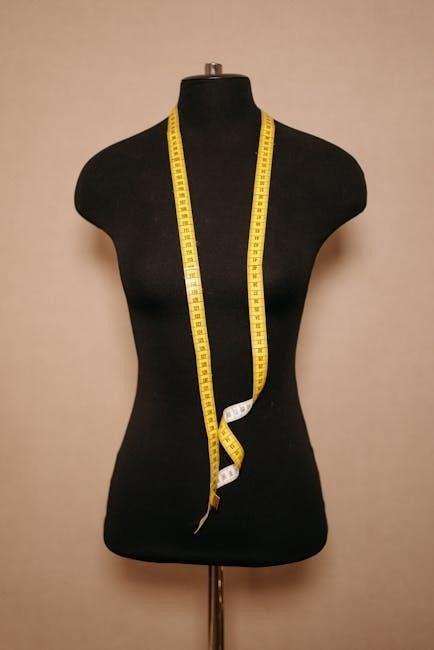
A detailed wheelchair measurement guide PDF emphasizes hip width as a foundational element for selecting the correct seat width. This measurement, taken across the widest points of the hips while seated, dictates the necessary space for comfortable and safe positioning.
The PDF will typically instruct to measure from lateral prominence to lateral prominence, ensuring the tape measure is level and not angled. Accurate hip width measurement prevents pressure sores and promotes proper posture.
Guides often recommend adding approximately 1-2 inches to the hip width measurement to allow for clothing and movement. This ensures the wheelchair isn’t overly restrictive, contributing to user independence and overall well-being.

Upper Body Measurements
Wheelchair measurement guide PDFs detail upper body dimensions like push handle and armrest height, vital for propulsion and support.
These guides ensure proper ergonomics, reducing strain and maximizing user comfort during wheelchair operation.
Push Handle Height Measurement
Wheelchair measurement guide PDFs emphasize the importance of accurately determining push handle height for effective propulsion and user comfort. This measurement, often designated as ‘BH’ in detailed guides, directly impacts the user’s posture and reduces strain on shoulders and wrists.
Typically, the guide instructs measuring from the seat surface to the top of the push handle. Consider the user’s arm length and typical pushing style – a slightly higher handle promotes better posture, while a lower handle offers more control.
Many PDFs include charts correlating user height with recommended push handle heights, providing a starting point for customization. Adjustments should be made based on individual needs and preferences, ensuring a comfortable and efficient pushing experience. Proper push handle height minimizes fatigue and maximizes maneuverability.
Armrest Height Measurement
Wheelchair measurement guide PDFs detail armrest height as a critical factor for upper body support and pressure relief. Accurate measurement prevents shoulder strain and promotes proper positioning during wheelchair use. Guides often illustrate measuring from the seat surface to the top of the armrest padding.
The ideal height allows the user’s elbows to rest comfortably at a 90-degree angle, supporting the arms without causing shoulder elevation or discomfort. Adjustable armrests are common, allowing for personalized fitting.
PDF resources emphasize considering the user’s activities; higher armrests are beneficial for transfers, while lower armrests facilitate access to tables. Careful attention to armrest height enhances comfort, function, and overall wheelchair usability.

Wheelchair Specific Measurements
Wheelchair measurement guide PDFs highlight total width, weight capacity, and support surface dimensions as key specifications for selecting the appropriate model.
These guides detail how frame material impacts weight and the importance of matching capacity to user needs for safety and maneuverability.
Total Wheelchair Width Measurement
Wheelchair measurement guide PDFs emphasize that determining total width is vital for navigating doorways and hallways effectively. This measurement encompasses the chair’s overall span, including wheels, and any protruding components.
Accurate assessment, as detailed in these guides, prevents accessibility issues within the user’s environment. Standard seat widths often range from 16 to 20 inches, but the total width will be significantly larger due to wheel placement and frame construction.
Consideration must be given to the user’s environment; a narrow doorway requires a chair with a correspondingly smaller total width. PDF guides often include diagrams illustrating how to accurately measure this dimension, ensuring a smooth and independent experience for the wheelchair user.
Proper width selection enhances maneuverability and prevents potential obstructions.

Wheelchair Weight Considerations
Wheelchair measurement guide PDFs frequently address weight as a critical factor, encompassing both the chair’s weight and the user’s weight capacity. Lighter wheelchairs, often under 30 lbs, enhance portability and ease of propulsion.
However, the frame material significantly impacts weight; aluminum frames are lighter than steel, but may have lower weight limits. These guides stress the importance of selecting a chair with a weight capacity exceeding the user’s weight for safety and durability.
Weight distribution also matters, influencing stability and maneuverability. PDF resources often provide charts detailing weight capacities based on frame material and design, aiding in informed decision-making.
Choosing the right weight capacity ensures long-term reliability and user safety.
Weight Capacity and Frame Material
Wheelchair measurement guide PDFs consistently highlight the crucial link between frame material and weight capacity. Steel frames generally offer higher weight limits, often around 45 lbs, but are heavier overall.
Aluminum frames, frequently weighing between 30-35 lbs, provide a balance of strength and reduced weight, suitable for many users. Lighter materials, like titanium, are available but come at a higher cost.
These guides emphasize exceeding the user’s weight; a buffer ensures chair longevity and prevents potential structural failures. Always consult the PDF’s specifications for precise weight limits.
Selecting the appropriate frame material and capacity is paramount for user safety and wheelchair performance.
Backrest Support Surface Measurement
Wheelchair measurement guide PDFs detail the importance of accurately assessing the backrest support surface. This measurement, often labeled ‘C’ or ‘F’ on forms, determines the height and contour needed for optimal postural support.
The guide instructs measuring from the seat surface to the desired top of the backrest, considering the user’s shoulder height and trunk control. Proper support prevents fatigue and pressure sores.
Forms often include sections for specifying backrest angle and depth, influencing overall stability and comfort. Some PDFs offer customizable backrest options to accommodate individual needs.
Accurate backrest measurements, as outlined in these guides, are vital for a functional and comfortable wheelchair experience.
Cushion Support Surface Measurement
Wheelchair measurement guide PDFs emphasize the critical role of cushion support surface assessment, often denoted as ‘A’ on standard forms. This measurement dictates the cushion’s dimensions – width, depth, and thickness – for pressure redistribution and postural alignment.
The guide instructs measuring seat width and depth without the cushion, then selecting a cushion size that provides adequate coverage and support. Consideration must be given to pelvic stability and skin integrity.
PDF resources detail various cushion types and their appropriate applications, including foam, gel, and air cushions. Accurate measurements prevent pressure ulcers and enhance comfort.
Following these guides ensures a properly fitted cushion, maximizing wheelchair functionality and user well-being.

Measurement Forms and Resources
Utilizing wheelchair measurement forms, often found as PDF downloads, is essential for systematic data collection; these forms guide accurate assessments.
These resources streamline the process, ensuring all necessary dimensions are recorded for optimal wheelchair fitting and user comfort.
Utilizing Wheelchair Measurement Forms
Wheelchair measurement forms, frequently available as downloadable PDF documents, are invaluable tools for healthcare professionals and individuals seeking a properly fitted wheelchair.
These standardized forms ensure a systematic approach to gathering crucial dimensions, minimizing errors and promoting consistency in the assessment process.
A comprehensive form will typically include sections for seat width, seat depth, seat height, backrest height, and various lower and upper body measurements.
Accurate completion requires careful attention to detail and adherence to standardized measurement techniques, often outlined within the PDF guide itself.
Properly utilized forms facilitate clear communication between the clinician, the client, and the wheelchair supplier, leading to a more successful outcome.
They also serve as a valuable record for future reference and adjustments, ensuring ongoing comfort and functionality.
Finding Reliable Measurement Guides (PDF)
Locating trustworthy wheelchair measurement guides in PDF format requires careful sourcing; numerous organizations and manufacturers offer these resources online.
Reputable medical supply companies and rehabilitation centers often provide downloadable forms and detailed instructions for accurate wheelchair assessments.
Searching for terms like “manual wheelchair measurement form PDF” or “wheelchair sizing guide PDF” will yield a variety of options.
Ensure the PDF originates from a credible source, such as a certified assistive technology professional (ATP) or a well-established healthcare provider.
Always prioritize guides that align with industry standards and offer clear, concise instructions accompanied by illustrative diagrams.
Reviewing multiple guides can provide a comprehensive understanding and ensure the selected form meets specific needs.

Adjustments for Comfort and Function
Accounting for winter clothing is vital; add approximately 2cm to measurements for accurate fitting, ensuring comfort and mobility throughout seasonal changes.
Accounting for Winter Clothing
Ensuring a comfortable and functional wheelchair fit requires anticipating changes in a user’s profile, particularly when seasonal weather shifts occur. When taking measurements for a wheelchair, especially utilizing a wheelchair measurement guide PDF, it’s crucial to consider the added bulk of winter clothing.
Add approximately 2 centimeters (or roughly ¾ of an inch) to relevant measurements to accommodate layers like coats, sweaters, and thicker pants. This adjustment prevents the wheelchair from becoming too tight, restricting circulation or movement during colder months.
Remember to remove the seat cushion during measurement to obtain accurate dimensions. Failing to account for winter attire can lead to pressure sores, discomfort, and reduced maneuverability. Prioritizing these adjustments enhances the user’s overall experience and promotes independence.
Lateral Stability and Measurement Impact
A wheelchair’s lateral stability, or resistance to tipping sideways, is significantly influenced by accurate measurements, as detailed in a comprehensive wheelchair measurement guide PDF. Incorrect seat width, for example, can compromise stability; a seat that’s too wide reduces control, while one too narrow can cause discomfort and instability.
Measurements impacting lateral stability include hip width and overall wheelchair width. Wider wheelchairs generally offer greater stability but may be less maneuverable in tight spaces. Conversely, narrower chairs enhance agility but require more user control.
Improper measurements can also lead to discomfort and potential injury. Utilizing a detailed guide ensures appropriate adjustments, maximizing safety and promoting a secure seating position.

Understanding Measurement Terminology
A wheelchair measurement guide PDF clarifies key terms like RSH (Rear Seat Height), SD (Seat Depth), and DO (Depth Overall), ensuring consistent and accurate assessments.
RSH (Rear Seat Height)
RSH, or Rear Seat Height, is a critical measurement detailed in any comprehensive wheelchair measurement guide PDF. It defines the distance from the floor to the top of the backrest when the wheelchair is upright. Accurate RSH determination is vital for proper posture and upper body support.
A guide will instruct you to measure with the user seated in the wheelchair, utilizing a level against the backrest. This measurement impacts transfer height and accessibility, influencing the user’s ability to independently reach surfaces and navigate environments.
Incorrect RSH can lead to discomfort, pressure sores, and difficulty with propulsion. Therefore, consulting a detailed PDF guide and performing the measurement carefully is paramount for optimal wheelchair fitting and user well-being.
SD (Seat Depth)
SD, representing Seat Depth, is a fundamental measurement outlined in any thorough wheelchair measurement guide PDF. It’s the distance from the back of the seat to the front edge, impacting leg support and pressure distribution. Accurate SD determination prevents pressure ulcers and ensures comfortable positioning.
A guide will typically advise measuring with the user seated, assessing the space between the popliteal fossa (back of the knee) and the seat edge – generally, 2-3 fingers should fit comfortably.
Incorrect SD can cause restricted circulation or pressure on the back of the knees. Therefore, referencing a detailed PDF guide and precise measurement are crucial for optimal wheelchair fit, promoting user independence and preventing complications.
DO (Depth Overall)
DO, or Depth Overall, is a critical dimension detailed within a comprehensive wheelchair measurement guide PDF. It represents the total length of the wheelchair seat, from the front edge to the backrest’s furthest point. This measurement is vital for navigating doorways and tight spaces.
A reliable PDF guide will emphasize measuring DO to ensure the wheelchair’s maneuverability isn’t compromised. It impacts accessibility within homes and public environments.
Accurate DO assessment, alongside other dimensions, prevents collisions and promotes independent mobility; Consulting a detailed wheelchair measurement guide PDF guarantees a wheelchair that fits both the user and their environment, maximizing functionality and safety.