A low salicylate diet‚ often detailed in comprehensive PDF guides‚ aims to reduce exposure to naturally occurring chemicals in foods.
This dietary approach is explored for managing sensitivities and related health concerns‚ offering relief through careful food selection and avoidance strategies.
What are Salicylates?
Salicylates are naturally occurring chemicals found in many plants‚ serving as a defense mechanism against stress and disease. These compounds are structurally similar to aspirin‚ and while generally harmless to most‚ some individuals exhibit sensitivity. A low salicylate diet PDF often details that salicylates are present in fruits‚ vegetables‚ herbs‚ spices‚ and even some processed foods.
The level of salicylates varies depending on ripeness‚ growing conditions‚ and processing methods. Understanding their presence is crucial for those aiming to reduce intake‚ as outlined in dietary resources‚ to manage potential adverse reactions and improve overall well-being.
Why Follow a Low Salicylate Diet?
Individuals may adopt a low salicylate diet to alleviate symptoms linked to salicylate intolerance‚ as thoroughly explained in a low salicylate diet PDF. Common reasons include managing asthma‚ eczema‚ hives‚ and digestive issues like IBS. Some experience reactions like headaches‚ nasal congestion‚ or behavioral changes.
The diet aims to reduce inflammation and immune system activation triggered by salicylates. It’s often pursued under medical guidance to identify sensitivities and determine if symptom improvement correlates with reduced salicylate intake‚ ultimately enhancing quality of life.
Understanding Salicylate Sensitivity
Salicylate sensitivity isn’t an allergy‚ but a reduced tolerance to naturally occurring salicylates found in many plant foods‚ detailed in a low salicylate diet PDF. This sensitivity arises from impaired salicylate metabolism or increased sensitivity within the body.
Symptoms vary widely‚ impacting skin‚ gut‚ respiratory‚ and neurological systems. Genetic predispositions and gut health play a role. Diagnosis often involves an elimination diet followed by careful reintroduction‚ guided by a healthcare professional‚ to pinpoint individual trigger levels.

Identifying High-Salicylate Foods
A low salicylate diet PDF highlights foods to avoid‚ including many fruits‚ vegetables‚ spices‚ and herbs‚ due to their high salicylate content.
Fruits to Avoid or Limit
Detailed in a low salicylate diet PDF‚ many fruits are naturally high in salicylates and may trigger reactions in sensitive individuals. Berries‚ including strawberries‚ raspberries‚ and blueberries‚ are generally best avoided or consumed in very limited quantities. Citrus fruits like oranges‚ lemons‚ and grapefruits also contain significant levels.
Other fruits to be cautious with include apples‚ peaches‚ plums‚ cherries‚ and pineapple. The level of salicylates can vary depending on ripeness‚ with riper fruits often containing higher concentrations. Careful consideration and portion control are key when incorporating fruits into a low-salicylate plan.
Vegetables to Avoid or Limit
A comprehensive low salicylate diet PDF will highlight numerous vegetables that should be avoided or significantly limited due to their high salicylate content. These include tomatoes‚ spinach‚ mushrooms‚ eggplant‚ and bell peppers (especially red and yellow). Cruciferous vegetables like broccoli‚ cauliflower‚ and cabbage are also problematic for many.
Root vegetables such as carrots and sweet potatoes should be consumed cautiously; Asparagus‚ zucchini‚ and olives are generally best avoided. It’s crucial to remember that even small amounts of these vegetables can trigger symptoms in highly sensitive individuals‚ necessitating careful planning.
Spices and Herbs to Avoid
A detailed low salicylate diet PDF will emphasize the need to drastically reduce or eliminate many common spices and herbs. High-salicylate culprits include chili powder‚ paprika‚ cumin‚ curry powder‚ and cinnamon. Avoid herbs like oregano‚ thyme‚ rosemary‚ and basil.
Even seemingly mild spices like cloves and nutmeg should be used sparingly or avoided altogether. Garlic and onion‚ while flavorful‚ are also typically restricted. Opting for limited‚ low-salicylate alternatives like turmeric (in small amounts) and ginger can add flavor without exacerbating symptoms.

Foods Generally Allowed on a Low Salicylate Diet
A low salicylate diet PDF highlights permitted foods like rice‚ pears‚ apples (peeled)‚ and certain meats.
These choices minimize salicylate intake‚ supporting symptom management and overall well-being during dietary adherence.
Low-Salicylate Fruits
Detailed within a low salicylate diet PDF‚ certain fruits are generally well-tolerated due to their lower natural salicylate content.
These include peeled apples (specifically varieties like Golden Delicious)‚ pears‚ and mangoes in limited quantities. White peaches are often permissible‚ while darker varieties should be avoided.
Melons‚ such as honeydew and watermelon‚ are typically safe choices. However‚ individual tolerance varies‚ so careful monitoring is crucial. Berries‚ with a few exceptions‚ are usually restricted due to their higher salicylate levels. Always refer to a comprehensive list within the PDF for accurate guidance.
Low-Salicylate Vegetables
A low salicylate diet PDF typically outlines a selection of vegetables considered safe for those sensitive to salicylates.
These generally include cauliflower‚ cabbage‚ lettuce (especially iceberg)‚ and asparagus‚ consumed in moderation. Potatoes‚ particularly when peeled‚ are often well-tolerated. Broccoli is sometimes permitted in small amounts‚ depending on individual sensitivity.
Root vegetables like parsnips and turnips can be included. However‚ many common vegetables – tomatoes‚ spinach‚ peppers‚ and eggplant – are high in salicylates and should be avoided. Consulting the PDF’s detailed list is essential for accurate dietary planning.
Protein Sources
A comprehensive low salicylate diet PDF will detail acceptable protein sources‚ crucial for maintaining nutritional balance.
Generally‚ fresh‚ unprocessed meats like chicken‚ turkey‚ and lamb are well-tolerated. Fish‚ particularly white fish‚ is often included‚ but oily fish should be consumed cautiously. Eggs are usually permitted.
Tofu‚ if unflavored and minimally processed‚ can be a viable option. However‚ processed meats‚ sausages‚ and those with added spices are typically avoided due to potential salicylate content. The PDF will provide specific guidance on portion sizes and preparation methods to minimize reactions.
Implementing the Diet: A Step-by-Step Guide
A detailed low salicylate diet PDF outlines a phased approach: elimination‚ reintroduction‚ and maintenance.
Careful planning and adherence to the PDF’s guidelines are essential for successful symptom management and long-term dietary control.
Phase 1: Elimination Phase
The initial phase‚ thoroughly explained in a low salicylate diet PDF‚ involves strictly removing high-salicylate foods for 2-4 weeks.
This rigorous elimination aims to reduce overall salicylate load and assess symptom improvement. Focus shifts to permitted foods listed in the PDF‚ like rice‚ pears‚ and certain meats. Detailed shopping lists and meal plans within the PDF aid adherence. Expect potential withdrawal symptoms initially. Meticulous record-keeping of food intake and symptoms‚ as suggested by the PDF‚ is crucial for identifying individual triggers. This phase isn’t intended as long-term‚ but as a diagnostic tool to establish a baseline and prepare for reintroduction.
Phase 2: Reintroduction Phase
Following the elimination phase‚ a low salicylate diet PDF guides a systematic reintroduction of foods‚ one at a time.
Introduce a single food‚ in a small quantity‚ for 2-3 days‚ carefully monitoring for symptom recurrence‚ as detailed in the PDF. Record all reactions meticulously. If no symptoms arise‚ the food is considered ‘tolerated’ at that quantity. If symptoms appear‚ remove the food and wait until symptoms subside before testing another. The PDF emphasizes introducing foods in ascending order of salicylate content. This phase‚ though slow‚ is vital for pinpointing individual sensitivities and establishing a personalized‚ sustainable diet plan.
Phase 3: Maintenance Phase
The maintenance phase‚ often outlined in a low salicylate diet PDF‚ focuses on long-term dietary management.
This involves consistently consuming tolerated foods while minimizing high-salicylate items. The PDF stresses that this isn’t necessarily a permanently restrictive diet‚ but rather a personalized plan. Periodic re-challenges‚ guided by symptom tracking‚ can identify evolving tolerances. Maintaining a food diary remains crucial. The PDF may suggest rotating tolerated foods to prevent potential sensitivities from re-emerging. This phase prioritizes a balanced‚ nutritious diet within salicylate limits‚ promoting sustained well-being and symptom control.
Reading Food Labels for Salicylates
A low salicylate diet PDF emphasizes scrutinizing ingredient lists for hidden salicylates and additives.
Understanding preservatives and common ingredients is key to successful avoidance and symptom management.
Hidden Sources of Salicylates
Many processed foods contain unexpected salicylates‚ making diligent label reading crucial‚ as detailed in a low salicylate diet PDF.
Common culprits include flavorings‚ colorings‚ and preservatives – often not explicitly listed as high-salicylate ingredients.
Even seemingly “safe” foods can be contaminated during processing or packaging.
Be wary of products with vague ingredient descriptions like “natural flavors” or “spice extracts.”
Medications‚ cosmetics‚ and personal care products can also contribute to salicylate load‚ requiring a holistic approach to avoidance.
A comprehensive PDF guide will often list these less obvious sources.
Understanding Additives and Preservatives
A detailed low salicylate diet PDF emphasizes scrutinizing food labels for additives and preservatives‚ as these frequently contain hidden salicylates.
Benzoates‚ sorbates‚ and sulfites are common preservatives that can trigger reactions in sensitive individuals.
Artificial colors and flavors‚ like tartrazine (Yellow #5)‚ are often derived from salicylate-rich sources.
Even “natural” additives‚ such as rosemary extract (a natural preservative)‚ can be problematic.
Understanding the chemical names and functions of these ingredients is key to effective avoidance‚ as outlined in reliable dietary resources.
Careful reading is essential for successful implementation.
Decoding Ingredient Lists
A comprehensive low salicylate diet PDF stresses the importance of meticulous ingredient list analysis.
Look beyond simple terms; many ingredients have hidden salicylate sources.
For example‚ “flavorings” can mask high-salicylate spices.
Be aware of alternative names for problematic ingredients – ascorbic acid is Vitamin C‚ but can be an issue for some.
Focus on whole‚ unprocessed foods with minimal ingredients.
Cross-reference unfamiliar ingredients with salicylate databases.
Prioritize products with short‚ recognizable ingredient lists for easier identification and avoidance.
Diligent label reading is crucial for success.
Resources for Low Salicylate Diets
Numerous low salicylate diet PDF guides and online databases offer detailed food lists and support.
Dedicated websites and communities provide recipes and valuable information for navigating this restrictive diet.
Online Databases and Websites
Several online resources are invaluable for individuals embarking on a low salicylate diet. Searching for “low salicylate diet PDF” yields numerous downloadable guides‚ often compiled by dietitians or support groups‚ providing comprehensive food lists categorized by salicylate content.
Websites dedicated to food intolerances and sensitivities frequently feature detailed information‚ recipes‚ and forums where users share experiences. These platforms often allow filtering by dietary restriction‚ making it easier to identify suitable foods.
Furthermore‚ some databases offer a searchable ingredient list‚ helping to identify hidden salicylates in processed foods. Always cross-reference information from multiple sources to ensure accuracy and tailor the diet to individual needs.
Recommended Cookbooks
While a dedicated “low salicylate diet PDF” can be a starting point‚ cookbooks specifically designed for food sensitivities offer practical meal ideas and recipes. Look for titles focusing on elimination diets or histamine intolerance‚ as these often overlap with low-salicylate principles.
Many authors provide detailed ingredient lists and substitutions‚ crucial for avoiding high-salicylate foods. Consider cookbooks emphasizing simple‚ whole-food ingredients and minimal processing.
Online reviews can help identify books with clear instructions and recipes that are genuinely compliant with a strict low-salicylate protocol. Supplementing PDF guides with a well-chosen cookbook can greatly enhance dietary success.
Support Groups and Communities
Navigating a low salicylate diet‚ even with a detailed “low salicylate diet PDF”‚ can be challenging. Connecting with others facing similar restrictions provides invaluable support and shared experiences.
Online forums and social media groups dedicated to salicylate sensitivity offer a space to ask questions‚ share recipes‚ and find encouragement.
These communities often compile lists of safe products and restaurants‚ and provide insights into managing the diet’s practical aspects. Peer support can significantly improve adherence and overall well-being‚ complementing the information found in PDF resources.

Potential Challenges and How to Overcome Them
A “low salicylate diet PDF” highlights potential difficulties; strict adherence‚ social eating‚ and finding acceptable replacements can be tough‚ requiring planning and support.
Social Situations and Eating Out
Navigating social events and dining out presents unique hurdles on a low salicylate diet‚ as detailed in many “low salicylate diet PDF” resources.
Pre-planning is crucial; contacting restaurants beforehand to inquire about ingredients and preparation methods is highly recommended.
Bringing a safe dish to share can ensure you have a suitable option‚ and politely explaining dietary needs to hosts can foster understanding.
Focus on simple‚ minimally processed foods when possible‚ and don’t hesitate to request modifications to menu items.
Accepting that complete adherence isn’t always feasible and prioritizing overall well-being is key to maintaining a balanced lifestyle.
Meal Planning and Preparation
Successful adherence to a low salicylate diet‚ as outlined in a comprehensive “low salicylate diet PDF” guide‚ hinges on meticulous meal planning and preparation.
Batch cooking low-salicylate staples – like allowed proteins and grains – saves time and ensures readily available options.
Creating a weekly menu based on permitted foods minimizes impulsive choices and potential reactions.
Carefully reading ingredient labels is paramount‚ avoiding hidden salicylates in additives and preservatives.
Prioritizing fresh‚ whole foods and preparing meals from scratch offers the greatest control over dietary intake and symptom management.
Dealing with Cravings
Cravings for high-salicylate foods are common when initiating a low salicylate diet‚ as detailed in many “low salicylate diet PDF” resources.
Identify the emotional triggers behind cravings – stress‚ boredom‚ or habit – and develop alternative coping mechanisms like exercise or relaxation techniques.
Focus on enjoying the abundance of allowed foods‚ experimenting with new recipes and flavors to satisfy taste buds.
Distraction can be effective; engage in activities that divert attention from food-related thoughts.
Remember that cravings are temporary and will diminish as the body adjusts to the dietary changes.
The Role of Salicylates in Health Conditions
“Low salicylate diet PDF” resources link salicylate sensitivity to conditions like asthma‚ skin issues‚ and digestive problems.
Understanding this connection is key for targeted dietary management and symptom relief.
Salicylate Sensitivity and Asthma
Many “low salicylate diet PDF” guides highlight a potential link between salicylate sensitivity and asthma symptoms. Salicylates can trigger inflammatory responses in susceptible individuals‚ potentially exacerbating airway constriction and leading to increased wheezing‚ coughing‚ and shortness of breath.
For some asthmatics‚ reducing dietary salicylate intake may lessen the frequency and severity of asthma attacks. However‚ it’s crucial to note that asthma is multifactorial‚ and a salicylate-free diet isn’t a universal cure. Individuals should work closely with healthcare professionals to determine if a low-salicylate approach is appropriate and to monitor its effects alongside conventional asthma management strategies.
Salicylate Sensitivity and Skin Conditions
Numerous “low salicylate diet PDF” resources detail a connection between salicylate sensitivity and various skin conditions‚ including eczema‚ hives‚ and dermatitis. Salicylates can act as irritants‚ prompting inflammatory reactions within the skin. This can manifest as redness‚ itching‚ blistering‚ and overall skin discomfort.
Reducing salicylate intake through a carefully planned diet may alleviate symptoms for some individuals. However‚ skin conditions are complex‚ and identifying triggers often requires a process of elimination and reintroduction‚ guided by a healthcare professional. A low-salicylate diet should complement‚ not replace‚ prescribed dermatological treatments.
Salicylate Sensitivity and Digestive Issues
Many “low salicylate diet PDF” guides highlight a strong link between salicylate sensitivity and a range of digestive problems. These can include Irritable Bowel Syndrome (IBS)‚ bloating‚ abdominal pain‚ diarrhea‚ and nausea. Salicylates can disrupt the gut lining‚ potentially leading to increased intestinal permeability (“leaky gut”) and inflammation.
Following a low-salicylate diet may help reduce these symptoms by minimizing gut irritation. However‚ digestive issues are often multifactorial‚ and a comprehensive approach‚ including identifying other food intolerances and addressing gut health‚ is often necessary for long-term relief.

Low Salicylate Diet and Medication Interactions
“Low salicylate diet PDF” resources emphasize potential interactions with aspirin and NSAIDs‚ as salicylates are chemically similar.
Consulting a healthcare professional before starting is crucial to manage medication effects.
Aspirin and Other NSAIDs
Many “low salicylate diet PDF” guides highlight a critical interaction between this dietary approach and medications like aspirin and other Non-Steroidal Anti-Inflammatory Drugs (NSAIDs).
Salicylates‚ naturally present in many foods‚ share a similar chemical structure with acetylsalicylic acid (aspirin).
Therefore‚ reducing dietary salicylate intake while also taking aspirin or NSAIDs could potentially lead to an increased effect from the medication‚ increasing the risk of side effects like stomach irritation or bleeding.
Conversely‚ high dietary salicylate intake might lessen the effectiveness of these drugs.
Careful monitoring and communication with a healthcare provider are essential when combining this diet with these medications.
Potential Interactions with Other Medications
Comprehensive “low salicylate diet PDF” resources often caution about potential interactions extending beyond NSAIDs.
Salicylates can influence the metabolism of certain drugs‚ potentially altering their effectiveness or increasing side effects.
For example‚ medications processed by the liver’s cytochrome P450 enzyme system might be affected.
Individuals taking anticoagulants (blood thinners)‚ antiplatelet drugs‚ or even some antidepressants should exercise particular caution.
Always disclose your dietary changes to your physician‚ especially when starting or adjusting medications‚ to ensure safe and effective treatment.
Consulting with a Healthcare Professional
Before initiating a “low salicylate diet PDF” plan‚ consulting a healthcare professional is crucial.
Self-diagnosis and restrictive dieting can be detrimental‚ potentially leading to nutritional deficiencies or masking underlying conditions.
A doctor can accurately assess your symptoms‚ rule out other causes‚ and confirm salicylate sensitivity.
Registered dietitians specializing in food sensitivities can create a personalized meal plan‚ ensuring adequate nutrient intake while minimizing salicylate exposure.
Regular monitoring and adjustments‚ guided by a professional‚ are vital for long-term success and overall health.
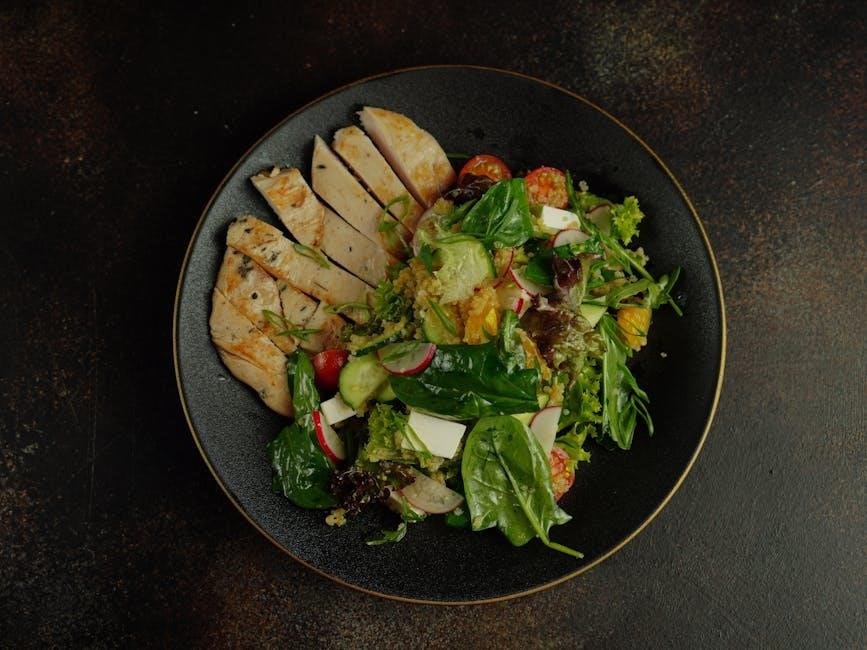
Sample Low Salicylate Meal Plan
A “low salicylate diet PDF” often includes sample meal plans featuring permitted foods like rice‚ pears‚ and lean proteins.
These plans offer guidance for creating balanced‚ flavorful meals while adhering to dietary restrictions.
Breakfast Ideas
Many “low salicylate diet PDF” resources highlight simple breakfast options focusing on easily digestible‚ low-chemical foods. Consider a gentle start with cooked white rice cereal‚ prepared with water or permitted plant-based milk alternatives like rice milk.
Poached or boiled chicken‚ a surprisingly common suggestion‚ provides protein. Pears‚ peeled and cooked‚ offer a touch of sweetness. Avoid traditional breakfast staples like citrus fruits‚ oatmeal‚ and most berries.
A small portion of cooked turkey bacon (check ingredients carefully!) can add flavor. Remember to prioritize plain‚ unprocessed foods and always consult a detailed PDF guide for specific permitted ingredients and portion sizes.
Lunch Ideas
“Low salicylate diet PDF” guides frequently suggest lunches centered around easily tolerated protein sources and bland carbohydrates. A common recommendation is a simple meal of boiled or baked chicken breast with steamed white rice. You can add a small side of well-cooked carrots‚ ensuring they are peeled.
Avoid salads containing most raw vegetables‚ as these are typically high in salicylates. Turkey‚ again‚ is a good protein option‚ but check for added spices or preservatives.
A small portion of peeled pear can provide a sweet element. Remember to prioritize simplicity and refer to your PDF guide for a complete list of approved foods and appropriate portion sizes.
Dinner Ideas
Many “low salicylate diet PDF” resources emphasize dinners featuring lean proteins and limited‚ approved vegetables. Baked or poached white fish‚ like cod or haddock‚ is often recommended‚ served alongside boiled potatoes (peeled‚ of course!). A small portion of steamed green beans‚ if tolerated‚ can add some variety.
Ground turkey‚ seasoned only with a tiny amount of allowed herbs‚ can be used in a simple sauce served over rice noodles.
Avoid tomato-based sauces‚ spices‚ and most colorful vegetables. Always double-check ingredients against your PDF guide to ensure compliance and minimize potential reactions.

Long-Term Considerations for a Low Salicylate Diet
A “low salicylate diet PDF” stresses the importance of monitoring symptoms and potential nutritional gaps‚ often requiring supplementation and dietitian guidance for sustainability.
Nutritional Deficiencies and Supplementation
Following a restrictive low salicylate diet‚ as outlined in many “low salicylate diet PDF” resources‚ can increase the risk of nutritional deficiencies.
Eliminating numerous fruits and vegetables may lead to inadequate intake of essential vitamins (like Vitamin C and folate)‚ minerals (such as magnesium and potassium)‚ and antioxidants.
Therefore‚ careful monitoring of nutrient levels is crucial.
Supplementation‚ guided by a healthcare professional or registered dietitian‚ may be necessary to address specific deficiencies identified through blood tests.
Commonly recommended supplements include Vitamin C‚ B vitamins‚ calcium‚ and magnesium‚ tailored to individual needs and dietary restrictions.
Monitoring Symptoms and Adjusting the Diet
Consistent symptom tracking is vital when implementing a low salicylate diet‚ often detailed within a “low salicylate diet PDF” guide.
Keep a detailed food diary‚ noting all consumed items and any corresponding reactions – headaches‚ skin rashes‚ digestive upset‚ or fatigue.
This allows for personalized adjustments to the diet based on individual tolerance levels.
Reintroduction phases‚ carefully planned‚ help identify specific salicylate triggers.
Regularly assess symptom severity and frequency‚ and collaborate with a healthcare professional to refine the diet and ensure optimal well-being.
Working with a Registered Dietitian
Navigating a low salicylate diet‚ often outlined in a comprehensive “low salicylate diet PDF”‚ is significantly easier with professional guidance.
A Registered Dietitian (RD) can personalize the diet based on individual needs‚ ensuring nutritional adequacy while minimizing salicylate intake.
They can help identify hidden sources of salicylates‚ create balanced meal plans‚ and address potential nutrient deficiencies.
An RD provides support during the elimination and reintroduction phases‚ interpreting symptom logs and making informed adjustments.
Their expertise ensures the diet is sustainable and supports long-term health.