Categories
Manuals

manuales chevrolet silverado gratis

Chevrolet Silverado Free Manuals: A Comprehensive Guide (Updated 12/09/2025)

Accessing Chevrolet Silverado gratis manuals empowers owners with vital repair insights, covering everything from fuel lines to climate control, ensuring confident vehicle maintenance.

Chevrolet Silverado manuals are indispensable resources for owners and mechanics alike, offering detailed guidance for maintenance, repair, and troubleshooting. These free manuals, available in PDF format, cover a wide range of model years, including popular searches like the 1994 Chevrolet Silverado repair manual and guides for the 1999-2006 Silverado & GMC Sierra.

Whether you’re tackling a simple thermostat replacement or diagnosing a complex issue like a revs then stalls problem, these manuals provide crucial engine specifications, fuel system information, and electrical diagrams. They are designed to unlock the secrets of your Silverado, empowering you with the knowledge to perform repairs effectively and safely.

Why Use a Free Silverado Manual?

Utilizing a free Silverado manual offers substantial benefits, primarily cost savings by avoiding expensive repair shop bills. These manuals provide a DIY approach to vehicle maintenance, enabling owners to confidently address issues like fuel line maintenance or climate control concerns.

Access to detailed repair and workshop information, including recommended bolt torques and estimated labor times, ensures accurate and efficient repairs. Furthermore, engaging with Chevrolet Silverado forums and communities alongside the manual fosters a collaborative learning environment. This empowers owners to understand their vehicle better and perform repairs with increased confidence and safety.

Types of Free Silverado Manuals Available

Several types of free Silverado manuals cater to diverse needs. PDF manuals, readily downloadable, offer comprehensive coverage, including electrical diagrams and engine specifications. Repair manuals, like those for the 1999-2006 Silverado & GMC Sierra, focus on step-by-step repair procedures.

Service manuals, such as the 2001 Chevrolet Silverado Service & Repair Manual, delve into detailed maintenance schedules and troubleshooting guides. Owners can also find information within Chevrolet Silverado forums, offering community-sourced insights and solutions. These resources collectively provide a robust foundation for tackling various repairs, from simple thermostat replacements to addressing complex issues like revs then stalls problems.

Locating Free Chevrolet Silverado Manuals Online

Discovering gratis Silverado manuals is achievable through the official Chevrolet website, dedicated forums, and various third-party platforms offering PDF downloads.

Official Chevrolet Website Resources

Chevrolet’s official website serves as a primary hub for accessing owner manuals and service information, though comprehensive repair manuals aren’t always directly available for free. However, owners can often find basic maintenance schedules, warranty details, and troubleshooting guides specific to their Silverado model year;

Registration is typically required to access these resources, allowing Chevrolet to tailor the information to the vehicle’s Vehicle Identification Number (VIN). While detailed workshop manuals might necessitate a paid subscription to Chevrolet’s service information system, the website provides a valuable starting point for locating essential documentation. Exploring the support section and utilizing the vehicle lookup tool are key steps in finding relevant resources.

Keep in mind that the availability of free resources can vary depending on the model year and specific vehicle configuration.

Third-Party Websites Offering Free Manuals

Numerous third-party websites claim to offer free Chevrolet Silverado repair manuals in PDF format. These resources often compile links to publicly available documentation or user-uploaded manuals. However, caution is advised when utilizing these sites, as the accuracy and completeness of the information can vary significantly.

Popular platforms include manualslib.com and similar repositories, but verifying the manual’s applicability to your specific Silverado model year and engine configuration is crucial. Always cross-reference information with other sources and exercise skepticism regarding potentially outdated or inaccurate data. Be mindful of potential malware or viruses when downloading files from unfamiliar websites.

User forums often host shared manual links, offering a community-driven approach to finding resources.

Chevrolet Silverado Forums and Communities

Online Chevrolet Silverado forums and communities represent invaluable resources for locating free manuals and repair information. Platforms like the Edmunds.com Car Forums dedicated to Chevrolet Silverado, actively host discussions where members share links to downloadable manuals, wiring diagrams, and troubleshooting guides.

Experienced Silverado owners frequently contribute their knowledge and expertise, offering assistance with specific repair issues and verifying the accuracy of shared documentation. Searching within these forums using keywords like “repair manual,” “PDF download,” or your specific model year can yield relevant results.

Engaging with the community allows you to ask targeted questions and receive personalized guidance from fellow enthusiasts.

Specific Silverado Model Year Manuals (Popular Searches)

Popular searches frequently target 1994, 1999-2006, and 2001 Silverado models, reflecting high demand for free repair and service manuals for these years.

1994 Chevrolet Silverado Repair Manual

Finding a 1994 Chevrolet Silverado repair manual is crucial for owners tackling maintenance and repairs on this classic truck. These manuals, often available as free PDF downloads, provide detailed guidance on everything from basic servicing to complex engine work.

Users seeking these resources often find them through third-party websites and dedicated Chevrolet forums. The 1994 Silverado manual typically includes comprehensive sections on engine specifications, fuel systems, electrical diagrams, and troubleshooting procedures.

Access to this information empowers owners to perform DIY repairs, saving on costly mechanic fees. Welcome to the user manual for your recently bought 1994 Chevy Silverado Repair Manual!

1999-2006 Chevrolet Silverado & GMC Sierra Repair Manual (Haynes)

Haynes manuals for the 1999-2006 Chevrolet Silverado & GMC Sierra are highly sought-after resources for both professional mechanics and DIY enthusiasts. While often sold commercially, digital versions and excerpts are frequently shared online, offering valuable repair information.

These manuals cover a broad range of maintenance procedures, including engine repair, transmission work, brake system overhauls, and electrical troubleshooting. They often feature detailed illustrations and step-by-step instructions, making complex repairs more accessible.

Downloading a PDF copy can provide instant access to this wealth of knowledge. The 1999 thru 2006 2WD and 4WD models are comprehensively covered.

2001 Chevrolet Silverado Service & Repair Manual

Locating a free 2001 Chevrolet Silverado service and repair manual online can significantly aid in vehicle maintenance and troubleshooting. These manuals, often available as PDF downloads, provide detailed instructions for a wide array of repairs, from routine maintenance to complex engine work.

The 2001 model year is specifically addressed, offering tailored guidance for its unique components and systems. Users can find information on engine specifications, fuel system diagnostics, and electrical diagrams.

These resources empower owners to perform repairs independently, potentially saving on labor costs. Remember to thank the source for providing the document!

Understanding the Information Within a Silverado Manual

Silverado manuals detail engine specs, fuel system troubleshooting, and climate control information, offering comprehensive guidance for repairs and ensuring optimal vehicle performance.

Engine Specifications and Maintenance

Chevrolet Silverado manuals provide exhaustive engine specifications, crucial for accurate repairs and maintenance. These details encompass bore, stroke, compression ratios, and horsepower ratings for various engine types across different model years. Maintenance schedules are clearly outlined, detailing intervals for oil changes, filter replacements (air, fuel, oil), spark plug inspections, and coolant flushes.

Detailed diagrams illustrate component locations, simplifying identification during servicing. The manuals also cover valve adjustments, timing procedures, and diagnostic steps for common engine issues. Understanding these specifications is paramount for ensuring optimal engine performance, longevity, and adherence to manufacturer recommendations, ultimately saving owners time and money on costly repairs.

Fuel System and Troubleshooting

Chevrolet Silverado gratis manuals dedicate significant sections to the fuel system, detailing components like the fuel pump, fuel filter, fuel injectors, and fuel lines. Comprehensive diagrams illustrate the fuel system’s layout, aiding in identifying potential problem areas.

Troubleshooting guides systematically address common fuel-related issues, such as poor fuel economy, hard starting, and engine stalling. These guides provide step-by-step diagnostic procedures, including fuel pressure testing, injector resistance checks, and leak detection methods. Manuals also cover fuel line maintenance, emphasizing the importance of inspecting for cracks or corrosion. Proper understanding of these systems ensures efficient operation and prevents costly fuel-related repairs.

Climate Control/AC System Information

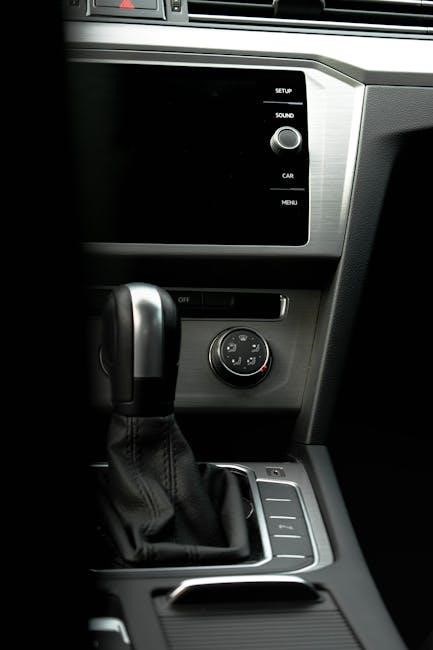
Chevrolet Silverado gratis manuals offer detailed insights into the vehicle’s climate control and AC systems. These sections cover components like the compressor, condenser, evaporator, and blower motor, providing exploded views for easy identification.

Troubleshooting guides address common AC issues, such as insufficient cooling, unusual noises, and refrigerant leaks. Step-by-step procedures explain how to diagnose and repair these problems, including refrigerant charging and leak detection. Manuals also detail the operation of the heating system, covering heater core replacement and blend door actuator function. Understanding these systems ensures passenger comfort and efficient operation, preventing costly repairs and maintaining a pleasant cabin environment.

Chevrolet Silverado Repair & Workshop Manual Details

Chevrolet Silverado gratis manuals provide comprehensive details, including electrical diagrams, precise bolt torques, and estimated labor times for efficient repairs.

Electrical Diagrams and Wiring Schematics

Chevrolet Silverado gratis manuals excel in detailing the complex electrical systems. These manuals offer meticulously crafted diagrams and wiring schematics, crucial for diagnosing and resolving electrical issues. Understanding these schematics allows owners and mechanics to trace circuits, identify faulty components, and perform accurate repairs.

The schematics cover everything from the starter and charging systems to the lighting, sensors, and the vehicle’s computer network. Access to these detailed visuals significantly simplifies troubleshooting, reducing repair times and costs. Furthermore, these diagrams are invaluable when installing aftermarket accessories, ensuring proper integration without damaging the vehicle’s electrical infrastructure. Proper use of these resources promotes safe and effective electrical repairs.

Recommended Bolt Torques

Chevrolet Silverado gratis manuals provide precise recommended bolt torques for every fastener on the vehicle, a critical aspect often overlooked. Utilizing the correct torque specifications prevents under-tightening, which can lead to loosening and failure, and over-tightening, which can strip threads or damage components.

These manuals detail torque values for engine components, suspension parts, brake systems, and body panels. Access to this information ensures proper assembly and disassembly, maintaining the integrity and safety of the vehicle. Following these specifications is paramount during repairs, guaranteeing long-lasting and reliable results. Ignoring torque values can compromise safety and lead to costly rework.

Estimated Labor Times for Repairs

Chevrolet Silverado gratis manuals often include estimated labor times for repairs, a valuable resource for both DIY mechanics and professional shops. These times, broken down by specific repair procedures, offer a realistic expectation of the work involved.

While these are estimates and can vary based on technician skill and unforeseen issues, they provide a benchmark for planning and budgeting. Accessing this data allows owners to assess repair costs accurately and negotiate fairly with mechanics. Detailed workshop manuals provide these times alongside step-by-step instructions, streamlining the repair process and ensuring efficient completion. Accurate labor time estimates are crucial for transparent and cost-effective vehicle maintenance.

Common Silverado Repair Topics Covered in Manuals

Chevrolet Silverado gratis manuals detail frequent repairs like thermostat replacement, addressing “revs then stalls” issues, and comprehensive fuel line maintenance procedures.

Thermostat Replacement

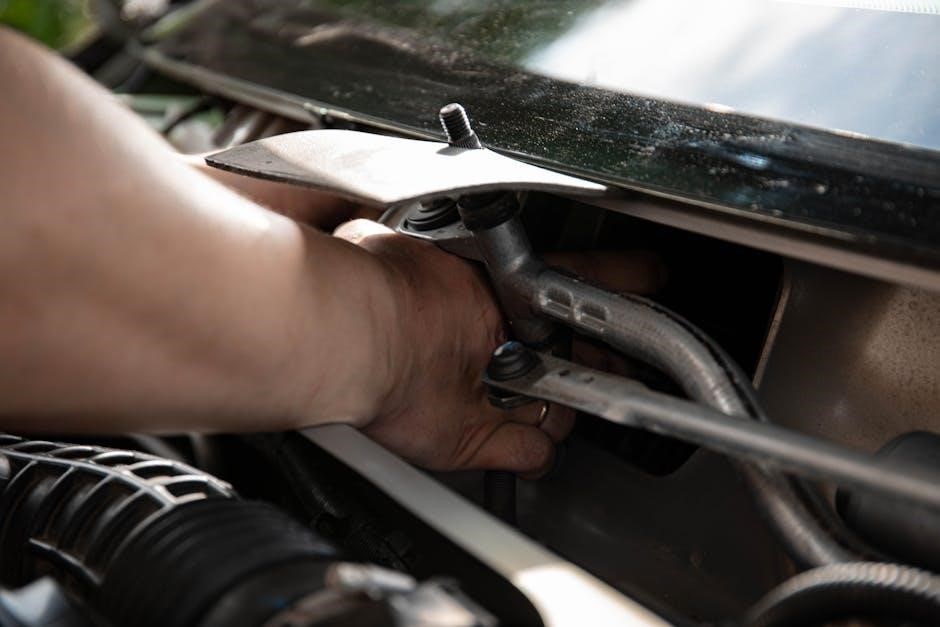
Chevrolet Silverado gratis manuals provide step-by-step guidance for thermostat replacement, a common repair. These resources detail locating the thermostat housing, draining the coolant, and removing the old thermostat. Manuals illustrate proper gasket seating and torque specifications for reinstallation, preventing leaks.

Diagrams clarify component placement, while troubleshooting sections address potential issues like stuck thermostats causing overheating. Silverado owners benefit from clear instructions, ensuring a successful DIY repair. The manuals emphasize safety precautions, including coolant disposal and avoiding burns from hot engine parts. Accessing this information saves on labor costs and keeps your Silverado running efficiently.

Revs Then Stalls Issues

Chevrolet Silverado gratis manuals offer diagnostic procedures for “revs then stalls” problems, a frustrating issue for owners. These manuals pinpoint potential causes, including faulty idle air control valves, mass airflow sensors, or fuel delivery problems. Detailed wiring diagrams aid in electrical troubleshooting, while fuel system sections cover injector testing and fuel pump functionality.

Silverado owners can follow step-by-step instructions to test components and identify the root cause. The manuals emphasize safety when working with fuel systems and electrical components. Accessing this information empowers DIY repairs, saving on expensive mechanic visits. Troubleshooting guides help isolate the issue, ensuring a correct and efficient fix, restoring smooth engine operation.

Fuel Line Maintenance

Chevrolet Silverado gratis manuals detail crucial fuel line maintenance procedures, safeguarding engine performance and preventing costly repairs. These manuals outline inspection techniques for leaks, cracks, and corrosion along the entire fuel system, from the tank to the engine. They provide torque specifications for fuel line connections, ensuring secure and leak-free fittings.

Silverado owners learn proper fuel filter replacement procedures, vital for maintaining optimal fuel delivery. The manuals emphasize safety precautions when working with flammable fuels, including disconnecting the battery and working in a well-ventilated area. Detailed diagrams illustrate fuel line routing, aiding in accurate repairs and replacements, extending the life of the fuel system.

Downloading and Using PDF Manuals

Chevrolet Silverado gratis manuals, often in PDF format, offer convenient access to repair information, enabling offline viewing and easy printing of sections.

Downloading Manuals in PDF Format

Obtaining Chevrolet Silverado gratis manuals in PDF format is remarkably straightforward, with numerous online resources offering downloadable files. These PDF documents typically encompass comprehensive repair and workshop information, ranging from engine specifications to detailed electrical diagrams.

Before downloading, verify the manual’s compatibility with your specific Silverado model year – 1994, 1999-2006, or 2001, for example – to ensure accuracy.

Downloading often involves a simple click, though some sites may require a brief registration. Always scan downloaded files with antivirus software to protect your system. Once downloaded, these PDF manuals provide a portable and easily accessible resource for all your Silverado repair needs, offering a cost-effective alternative to purchasing physical copies.

Navigating PDF Manuals Effectively

Utilizing Chevrolet Silverado gratis manuals in PDF format requires understanding their navigation features. Most PDF readers offer a search function – crucial for quickly locating specific repair procedures or component information, like thermostat replacement or fuel line maintenance.

Employ the table of contents to jump directly to relevant sections. Zooming capabilities enhance readability, especially for intricate electrical diagrams and wiring schematics.

Bookmark frequently accessed pages for rapid return. Many PDF viewers allow adding notes and highlights, facilitating personalized learning and repair tracking. Mastering these features transforms a potentially daunting manual into a streamlined, efficient resource for tackling Silverado repairs.

Printing Sections of the Manual

Chevrolet Silverado gratis manuals, often accessed as PDFs, offer printing options for convenient offline use during repairs. However, mindful printing is key. Avoid printing the entire manual; instead, select only the specific sections needed – perhaps those detailing a thermostat replacement or addressing a “revs then stalls” issue.

Utilize the PDF reader’s page range selection to minimize paper waste. Preview the print layout to ensure readability and proper formatting. Consider grayscale printing to conserve ink.

For complex diagrams or wiring schematics, a higher print quality may be necessary. Properly printed sections provide a readily available, grease-resistant reference during hands-on work.

Safety Precautions When Using Manuals for Repairs

Chevrolet Silverado gratis manuals guide repairs, but prioritize safety: disconnect the battery, follow general guidelines, and keep manuals away from children’s reach.

General Safety Guidelines

Utilizing Chevrolet Silverado gratis manuals for repairs demands strict adherence to safety protocols. Always wear appropriate personal protective equipment, including safety glasses and gloves, to shield against potential hazards. Ensure your workspace is well-ventilated, especially when dealing with fuels or chemicals.

Before commencing any repair, thoroughly understand the procedure outlined in the manual. Never attempt a repair if you are unsure about any step. Use the correct tools for the job, and maintain them in good working condition. Properly support the vehicle using jack stands if lifting is required – never rely solely on a jack.

Dispose of used fluids and parts responsibly, following local regulations. If a repair seems beyond your capabilities, consult a qualified mechanic. Remember, safety is paramount when working on your vehicle.

Safety Precautions for Children

Employing Chevrolet Silverado gratis manuals for vehicle maintenance necessitates prioritizing child safety. Absolutely never allow children in the repair area, even for brief periods. Tools, fluids, and vehicle components pose significant hazards. Ensure the vehicle is completely immobilized with the parking brake engaged and wheels chocked before beginning work.

Keep all repair materials, including manuals, tools, and parts, securely out of children’s reach. Explain the dangers of the repair area to children, emphasizing that it is not a place for play. Supervise the area diligently, even if you believe children are safely occupied elsewhere.

A moment of inattention can lead to a serious accident. Prioritize a safe environment, safeguarding children from potential harm during all repair activities.

Disconnecting the Battery

Utilizing Chevrolet Silverado gratis manuals often requires electrical system work, demanding careful battery disconnection. Always disconnect the negative (-) terminal first to prevent accidental short circuits. Use properly insulated tools and wear safety glasses. Note the battery cable routing for correct reconnection later, referencing diagrams within the manual.

Before disconnecting, ensure the ignition is off and all electrical loads are removed. Some vehicles may require additional steps to retain memory settings; consult the manual. Properly dispose of any discharged battery acid and recycle the battery responsibly.

Reconnecting involves reversing the process, attaching the positive (+) terminal first, ensuring a secure connection to avoid electrical issues.

Categories
Manuals

gardner bender gdt 3190 instruction manual

Gardner Bender GDT-3190 Instruction Manual: A Comprehensive Guide

This guide details the GDT-3190’s functions: AC/DC voltage, resistance, and battery tests․ It features a 2000-count display and 15-range manual operation․

The Gardner Bender GDT-3190 is a versatile digital multimeter designed for a wide range of electrical testing applications․ This 4-function, 15-range meter provides accurate measurements of AC and DC voltage, resistance, and battery status, making it suitable for both professional electricians and DIY enthusiasts․ Its manual ranging system offers precise control, while the auto-off functionality conserves battery life․

Featuring a clear 2000-count digital display, the GDT-3190 ensures easy readability of results; The unit is equipped with common and positive input jacks for secure connections․ This manual serves as a comprehensive guide to understanding and utilizing all the features of your GDT-3190, ensuring safe and effective operation․

Key Features and Specifications

The Gardner Bender GDT-3190 boasts several key features for reliable electrical measurements․ It offers four functions – AC Voltage, DC Voltage, Resistance, and Battery Test – across 15 selectable ranges, providing versatility for diverse tasks․ The large 2000-count digital display ensures clear and easy-to-read results․

This multimeter utilizes a manual ranging system for precise control and includes an automatic power-off function to extend battery life․ It’s designed for use on most household appliances․ The GDT-3190 is a robust and practical tool, equipped with standard input jacks for secure testing, making it ideal for both professionals and home users․

Unboxing and Component Check

Upon receiving your Gardner Bender GDT-3190 Digital Multimeter, carefully inspect the packaging for any signs of damage during transit․ Once opened, verify that all components are present․ You should find the GDT-3190 multimeter unit itself, a set of test leads (typically red and black), and this instruction manual․

Ensure the multimeter’s display is intact and free from cracks․ Check the function/range dial for smooth rotation and secure positioning․ Inspect the input jacks (Common and Positive) for any obstructions․ If any components are missing or damaged, immediately contact Gardner Bender customer support for assistance and do not attempt to use the device․

Understanding the Multimeter’s Controls

The GDT-3190 features a 15-position function dial, input jacks, and a low battery indicator for optimal operation and accurate readings․

Function/Range Dial Explained

The 15-position Function/Range Dial is central to operating the GDT-3190․ Rotating this dial selects the desired measurement function – AC Volts, DC Volts, Resistance, or Battery Test – and the appropriate measurement range within each function; Precise range selection is crucial for accurate readings, as the multimeter operates with manual ranging․

Understanding the dial’s markings is essential․ Each position clearly indicates the function and the corresponding range available․ Carefully align the pointer with the desired setting before connecting the test leads and applying power to the circuit under test․ Incorrect dial positioning can lead to inaccurate measurements or potential damage to the multimeter․

Input Jacks: Common and Positive

The GDT-3190 features two input jacks: a Common jack and a Positive jack․ The Common jack, typically black, serves as the reference point for all measurements and is connected to the circuit’s ground or negative terminal․ The Positive jack, usually red, is used to connect to the point in the circuit where you want to measure voltage or current․

Correctly connecting the test leads to these jacks is vital for obtaining accurate and safe readings․ Reversing the connections when measuring DC voltage will result in a negative reading, but won’t damage the multimeter․ Always ensure the leads are firmly inserted into the jacks before initiating a measurement․

Low Battery Indicator

The GDT-3190 is equipped with a low battery indicator to alert you when the battery power is insufficient for accurate measurements․ This indicator, visually represented on the digital display, typically appears as a battery symbol․ When this symbol illuminates, it signifies that the battery voltage has dropped below the operational threshold․

Continued use with a low battery may lead to inaccurate readings or erratic display behavior․ Prompt battery replacement is recommended to maintain the multimeter’s performance and reliability․ Use only the specified battery type for optimal operation and to avoid potential damage to the device․

Operating Instructions: Basic Usage

To begin, select the desired function (AC/DC voltage, resistance, or battery test) using the function/range dial․ Connect the test leads appropriately․

Measuring AC Voltage

Before measuring AC voltage, ensure the function dial is set to the AC Voltage (V~) position․ Select the appropriate voltage range; if the voltage is unknown, start with the highest range and decrease for better resolution․ Insert the black test lead into the “Common” jack and the red test lead into the “Positive” jack․ Carefully connect the test leads to the circuit being measured, ensuring proper polarity isn’t critical for AC voltage․ Observe the digital display for the AC voltage reading․

Measuring DC Voltage

To measure DC voltage, rotate the function dial to the DC Voltage (V=) position․ Similar to AC voltage, begin with the highest range if the voltage is unknown, then decrease for a more precise reading․ Connect the black test lead to the “Common” jack and the red test lead to the “Positive” jack․ Carefully touch the test leads to the appropriate points in the DC circuit, observing correct polarity – red to positive, black to negative․

Important: Incorrect polarity will display a negative reading, but won’t damage the multimeter․ If “OL” appears, select a higher voltage range․

Resistance Measurement

For resistance measurements, turn the function dial to the resistance (Ω) position․ Ensure the circuit being tested is de-energized – power off and disconnect! Connect the black test lead to the “Common” jack and the red test lead to the “Positive” jack․ Touch the test leads across the component or circuit whose resistance you wish to measure․

Battery Test Function

To test a battery, select the “Battery Test” position on the function dial․ Connect the red test lead to the positive (+) terminal of the battery and the black test lead to the negative (-) terminal․ The multimeter will display a reading indicating the battery’s approximate voltage and condition․

Interpreting the results: A higher voltage generally indicates a stronger battery․ Low voltage suggests a weak or discharged battery․ This function is useful for quickly assessing the state of common household batteries like AA, AAA, C, D, and 9V․ Always observe proper polarity when connecting the test leads․

Advanced Features and Techniques

Explore manual ranging for precise measurements and understand the 2000-count digital display․ Utilize the auto-off feature to conserve battery power․

Manual Ranging Explained

The Gardner Bender GDT-3190 utilizes manual ranging, meaning the user selects the desired measurement range before taking a reading․ This contrasts with auto-ranging multimeters which automatically determine the appropriate range․ To use manual ranging effectively, start with the highest range setting and gradually decrease it until a stable and accurate reading is achieved․

Selecting a range too high will result in a reading of ‘0’ or ‘OL’ (overload), indicating the signal is too weak for that range․ Conversely, a range too low will display ‘OL’ as the signal exceeds the meter’s capacity․ Proper range selection ensures optimal resolution and accuracy for your measurements, providing a more controlled testing experience․

Digital Display Interpretation (2000 Count)

The GDT-3190 features a 2000-count digital display, meaning it can represent values up to 1999․ Numbers displayed represent the measured value in the selected unit (Volts, Ohms, etc․)․ “OL” indicates an overload – the measured value exceeds the selected range․ A negative sign (-) signifies a negative polarity, common in DC voltage measurements․

The display also includes a low battery indicator, alerting you when the battery needs replacement․ Ensure clear visibility by maintaining a clean display surface․ Understanding these indicators and the numerical representation is crucial for accurate interpretation of readings and effective troubleshooting with the multimeter․

Auto-Off Functionality

The Gardner Bender GDT-3190 incorporates an auto-off feature designed to conserve battery life․ If no function dial adjustments or input are detected for approximately 15 minutes, the multimeter will automatically power down․ This prevents unnecessary battery drain during periods of inactivity․

To reactivate the device, simply rotate the function/range dial to any measurement setting․ This feature is particularly useful for users who may occasionally forget to manually switch off the multimeter․ However, be mindful of this function during critical measurements to avoid interruptions․

Safety Precautions and Warnings

Always follow general electrical safety guidelines when using the GDT-3190․ Use proper test leads and avoid electrical shock hazards at all times․

General Electrical Safety Guidelines

Prioritize safety when working with electricity․ Never exceed the multimeter’s specified input limits, as this could cause damage or pose a safety risk․ Always disconnect power to the circuit being tested whenever possible before making connections․ Inspect test leads for any damage – cracks or breaks – before each use, replacing them if necessary․

Avoid working in damp or wet environments, as water increases the risk of electrical shock․ Ensure your hands and the surrounding area are dry․ Do not attempt to measure voltage on uninsulated or exposed conductors․ Be cautious when working with high voltages, and always maintain a safe distance․ If unsure about any aspect of the measurement process, consult a qualified electrician․

Proper Use of Test Leads

Correct test lead usage is crucial for accurate and safe measurements․ Always insert the black test lead into the “Common” jack and the red lead into the “Positive” jack․ Ensure the probes are securely connected to the test points before energizing the circuit․ Avoid touching the metal parts of the probes while taking measurements to prevent accidental shocks or influencing readings․

When measuring high voltages, use insulated test leads specifically rated for those levels․ Regularly inspect leads for insulation damage, cracks, or loose connections․ Replace damaged leads immediately․ Never use test leads with exposed metal conductors․ Proper lead placement ensures a stable connection and minimizes measurement errors․

Avoiding Electrical Shock

Electrical shock poses a serious hazard; prioritize safety at all times․ Never measure voltages exceeding the multimeter’s specified limits․ Work in a dry environment, as moisture increases conductivity․ Avoid touching any exposed conductors or components while the circuit is energized․ Disconnect power before working on circuits whenever possible․

Use insulated tools and wear appropriate personal protective equipment (PPE), such as safety glasses․ Be mindful of your surroundings and avoid distractions․ If you are unsure about any aspect of the measurement process, consult a qualified electrician․ Remember, safety is paramount when working with electricity․

Troubleshooting Common Issues

Common problems include a non-powering multimeter, inaccurate readings, and display errors․ Check the battery, test leads, and ensure correct function/range selection․

Multimeter Not Powering On

If the GDT-3190 fails to power on, begin with the most basic checks․ First, verify the battery is correctly installed, ensuring proper polarity․ A low battery indicator illuminates when replacement is needed; replace with a fresh 9V battery․ Next, inspect the battery contacts within the multimeter for any corrosion or debris, cleaning them gently if necessary․

Confirm the function/range dial isn’t set to the ‘Off’ position․ Even a slight misalignment can prevent operation․ If the issue persists, examine the test leads and input jacks for damage․ Though less common, a faulty internal fuse could also be the culprit, requiring professional repair․ Finally, ensure the multimeter hasn’t exceeded its operational limits․

Inaccurate Readings

If the GDT-3190 provides inaccurate readings, several factors could be at play․ Ensure the test leads are securely connected to both the multimeter and the circuit under test․ Verify you’ve selected the correct function (AC/DC voltage, resistance, etc․) and appropriate range on the dial – manual ranging requires precise selection․

Check the battery level; a low battery can significantly impact accuracy․ Inspect the test leads for damage, such as frayed wires or broken insulation․ External interference, like strong electromagnetic fields, might also cause fluctuations․ Finally, confirm the device being tested is within the multimeter’s specified measurement range and accuracy limits․

Display Errors

Encountering display errors on the Gardner Bender GDT-3190 can indicate various issues․ “OL” or “1” displayed on the screen typically signifies an overload – the measured value exceeds the selected range․ Switch to a higher range setting to resolve this․ A blank display often points to a low battery, requiring replacement․

If the display shows erratic or nonsensical characters, it could indicate internal component failure․ Ensure proper connection of the test leads and that the function dial is correctly positioned․ If errors persist after these checks, the multimeter may require professional servicing or replacement․

Technical Specifications in Detail

The GDT-3190 offers 4 functions and 15 ranges for AC/DC voltage and resistance measurements, with manual ranging and a 2000-count display․

Detailed Range Specifications (AC/DC Voltage, Resistance)

The Gardner Bender GDT-3190 provides versatile measurement capabilities across various ranges․ For DC Voltage, it covers 200mV, 2V, 20V, 200V, and 600V․ AC Voltage ranges include 200mV, 2V, 20V, 200V, and 600V․ Resistance measurements are achievable across 200Ω, 2kΩ, 20kΩ, 200kΩ, and 2MΩ․

These ranges allow for precise readings in diverse applications, from low-voltage circuits to standard household wiring․ The multimeter’s manual ranging feature ensures accuracy by allowing the user to select the most appropriate range for the expected value․ Understanding these specifications is crucial for obtaining reliable and meaningful results when using the GDT-3190․

Accuracy and Resolution

The GDT-3190 boasts a 2000-count digital display, providing clear and detailed readings․ While specific accuracy percentages aren’t explicitly detailed in readily available documentation, the multimeter is designed for general-purpose electrical testing․ Resolution is a key factor; the higher the count, the finer the distinctions it can measure․

For practical applications, the GDT-3190 offers sufficient precision for most household and basic electrical tasks․ Users should be aware that accuracy can be influenced by factors like temperature and test lead quality․ Proper calibration and adherence to safety guidelines are essential for maximizing the reliability of measurements obtained with this device․

Environmental Operating Conditions

The Gardner Bender GDT-3190 is intended for use in relatively controlled environments․ While specific temperature and humidity ranges aren’t prominently featured in available documentation, it’s designed for typical indoor use․ Avoid operating the multimeter in excessively humid conditions, as moisture can compromise accuracy and potentially cause damage․

Extreme temperatures, both high and low, should also be avoided․ Direct sunlight exposure can affect the display readability and potentially impact internal components․ Operating within a standard room temperature range (10°C to 30°C) is recommended for optimal performance and longevity of the device․ Storage should also adhere to similar conditions․

Gardner Bender Resources and Support

Access downloadable manuals for products like the GDT-3190 on the Gardner Bender website․ Customer support is also available for assistance and warranty claims․

Accessing Online Instruction Manuals

Gardner Bender provides a readily accessible online resource for all instruction manuals related to their extensive range of electrical and wire management products․ Finding the manual for your GDT-3190 Digital Multimeter is straightforward; simply navigate to the “Instruction Manuals” page on the official Gardner Bender website․

This dedicated section offers a user-friendly interface allowing you to quickly locate and download the appropriate manual in a convenient PDF format․ Whether you require guidance on basic operation, advanced features, or troubleshooting steps, the online manual provides comprehensive, step-by-step instructions․

This ensures both professional electricians and DIY enthusiasts have the necessary information for safe and effective product installation and usage; The digital format allows for easy storage and access on various devices, making it a valuable resource whenever you need it․

Contacting Gardner Bender Customer Support

If you require further assistance beyond the provided instruction manual for your GDT-3190 Digital Multimeter, Gardner Bender offers dedicated customer support channels․ While specific contact details aren’t explicitly provided in the readily available information, accessing support is generally facilitated through their official website․

Look for a “Contact Us” or “Support” section where you can typically find options such as a contact form, email address, or a phone number for direct communication with a customer service representative․

Be prepared to provide your product model number (GDT-3190) and a detailed description of your issue to ensure efficient assistance․ Gardner Bender aims to provide prompt and helpful support to address any questions or concerns you may have regarding your multimeter․

Warranty Information

Regarding warranty details for the Gardner Bender GDT-3190 Digital Multimeter, specific terms and conditions aren’t directly outlined in the currently accessible documentation․ However, Gardner Bender generally stands behind the quality of its electrical and wire management products, offering a standard warranty against manufacturing defects․

To obtain precise warranty information – including the duration of coverage, what is covered, and the process for making a claim – it’s essential to consult the official Gardner Bender website or contact their customer support team directly․

Retain your proof of purchase (receipt or invoice) as it will likely be required to validate any warranty claim․

Categories
Manuals

dreo space heater manual

Dreo Space Heater Manual: A Comprehensive Guide

Welcome! This comprehensive guide assists with your Dreo heater, offering instructions from setup to troubleshooting, ensuring efficient and safe operation.

Dreo has rapidly emerged as a trusted provider of home comfort solutions, particularly in the realm of space heating. The WH719S, their pioneering smart heater, exemplifies a commitment to consumer-driven innovation. Developed based on extensive feedback and market analysis, Dreo heaters prioritize both functionality and user experience.

This manual serves as your gateway to understanding and maximizing the potential of your new Dreo space heater. Whether you’ve chosen a portable model like the DR-HSH006 or a more advanced unit, this guide provides essential instructions for safe and efficient operation.

Understanding Your Dreo Model

Dreo offers a diverse range of space heaters, including the DR-HSH006 and DR-HSH014, each designed for specific needs. Familiarizing yourself with your particular model is crucial. Locate the model number – it’s essential when downloading the correct PDF manual or contacting Dreo support (uk-support@dreo.com).

Key components include the power settings (H1, H2, H3), thermostat controls, and potentially, smart features like ECO mode and remote control functionality. Refer to the Quick Start Guide for initial setup and a basic overview of your heater’s capabilities.

Key Features and Benefits

Dreo heaters boast smart controls, energy-efficient ECO modes, and multiple heating levels, providing customized comfort and reliable performance for indoor spaces.

Smart Features (WH719S & Similar)

Dreo’s WH719S and comparable models represent a leap forward in heating technology, incorporating smart features developed directly from consumer feedback. These heaters offer convenient control via a remote, allowing adjustments to temperature and settings from across the room. The ECO mode intelligently optimizes energy consumption, providing efficient warmth without excessive power usage.

Furthermore, these models often include app connectivity for remote operation and scheduling. The ability to customize heating schedules ensures comfort and potentially reduces energy bills. These smart capabilities elevate the user experience, making Dreo heaters a modern heating solution.

Energy Efficiency & ECO Mode

Dreo space heaters are designed with energy conservation in mind. The integrated ECO mode is a key feature, automatically adjusting heating levels to maintain a comfortable temperature while minimizing energy consumption. This intelligent function analyzes room temperature and optimizes power output, resulting in cost savings.

By utilizing ECO mode, users can enjoy warmth without significantly impacting their energy bills. The heaters’ efficient design, coupled with features like adjustable thermostats, further contributes to reduced energy waste, making Dreo a responsible choice for home heating.

Multiple Heating Levels (H1, H2, H3)

Dreo space heaters offer customizable comfort with multiple heating levels: H1 (900W), H2 (1300W), and H3 (1500W); These settings allow users to precisely control the heat output based on their individual needs and room size. H1 provides gentle warmth, ideal for maintaining a comfortable temperature in smaller spaces.

H2 offers a balanced heating experience, while H3 delivers maximum warmth for quickly heating larger rooms. Easily adjust between levels using the control panel or remote control to achieve your desired level of comfort and optimize energy usage.

Setting Up Your Dreo Space Heater

Proper setup ensures safe and efficient operation! This section details unboxing, placement, and powering on your Dreo heater for optimal performance.

Unboxing and Initial Inspection

Carefully unpack your Dreo space heater, ensuring all components are present. Verify the heater body, remote control (if included), and this user manual are within the packaging. Inspect for any visible damage incurred during shipping – cracks, dents, or loose parts.

If damage is detected, do not operate the heater and immediately contact Dreo Support at uk-support@dreo.com. Retain all packaging materials for potential return or exchange. Before first use, wipe down the exterior with a clean, dry cloth to remove any dust or residue from manufacturing and transport. Confirm the model number matches your purchase.

Placement and Safety Considerations

Position your Dreo heater on a stable, level surface, away from flammable materials like curtains, furniture, and bedding – maintain at least 3 feet of clearance. Never place the heater on thick carpets or rugs. Avoid locations prone to moisture, such as bathrooms or near water sources.

Ensure the air inlet and outlet are unobstructed for optimal performance and to prevent overheating. Do not use an extension cord; plug directly into a grounded outlet. Keep the heater out of reach of children and pets. Prioritize safety to avoid potential electrical hazards.

Powering On and Basic Operation

To begin, ensure the heater is plugged into a grounded outlet. Press the power button to activate the unit; the display will illuminate. Select your desired heat level – H1 (900W), H2 (1300W), or H3 (1500W) – using the corresponding buttons. The ECO mode automatically adjusts heat output for energy efficiency.

Utilize the oscillation function for wider heat distribution. Monitor the temperature display to maintain comfort. Remember to always supervise the heater during operation and never leave it unattended.

Using the Remote Control

Effortlessly control your Dreo heater with the included remote! Adjust settings, power on/off, and manage features like ECO mode and oscillation from a distance.

Remote Control Functions Explained

The Dreo remote provides convenient control over your space heater. The power button initiates or terminates operation. Heating levels (H1, H2, H3) adjust the wattage – 900W, 1300W, and 1500W respectively – offering customized warmth. The ECO mode optimizes energy usage for efficient heating.

Oscillation control enables wider heat distribution. Utilize the thermostat to set your desired temperature. The timer function allows programmed on/off schedules. Ensure proper pairing for optimal functionality; refer to the pairing instructions for details. Familiarize yourself with each button for seamless operation and enhanced comfort.

Pairing the Remote Control

Remote control pairing may be necessary for initial setup or after battery replacement. Ensure the heater is powered ON. Press and hold the power button on the heater for approximately 5 seconds until a pairing indicator illuminates. Simultaneously, press and hold the power button on the remote until the indicator on both devices flashes.

Successful pairing is indicated by a solid light. If pairing fails, repeat the process, ensuring both devices are within close proximity. Refer to your specific model’s manual for detailed instructions, as procedures can vary slightly.

Advanced Features & Settings

Explore enhanced controls like precise thermostat adjustments, convenient timer functionality, and wide-area heating with the adjustable oscillation feature.

Thermostat Control & Temperature Settings

Dreo space heaters offer precise thermostat control, allowing you to set your desired room temperature. Simply adjust the thermostat to your preferred heat level for consistent comfort. The heaters feature multiple heating levels – H1 (900W), H2 (1300W), and H3 (1500W) – providing customizable warmth.

The ECO mode automatically adjusts heating output to maintain a comfortable temperature while maximizing energy efficiency. This intelligent feature ensures optimal performance and cost savings. Regularly monitoring and adjusting the thermostat ensures a consistently comfortable and energy-conscious heating experience with your Dreo heater.

Timer Functionality

Dreo space heaters often include a convenient timer function, enabling you to pre-set operation durations for automated heating. This feature allows for customized heating schedules, ensuring warmth when you need it and conserving energy when you don’t. You can typically set the timer to run for a specific number of hours, ranging from 1 to 12, or even set a specific shut-off time.

Utilizing the timer promotes energy savings and enhances convenience, providing a comfortable environment without constant manual adjustments. Explore your model’s specific timer settings for optimal use.

Oscillation Feature

Many Dreo space heaters are equipped with an oscillation feature, which allows the heater to rotate and distribute warmth more evenly throughout the room. Activating oscillation broadens the heating coverage, eliminating cold spots and providing consistent comfort. This is particularly useful for larger spaces or when heating multiple people.

The oscillation angle is typically wide, ensuring comprehensive heat distribution. You can usually toggle the oscillation function on or off using the control panel or remote control, customizing the heating experience to your preference.

Maintenance and Cleaning

Regular cleaning ensures optimal performance and longevity of your Dreo heater. Maintain a dust-free exterior and, if applicable, a clean filter for efficient operation.

Cleaning the Exterior

Maintaining a clean exterior is crucial for the longevity and performance of your Dreo space heater. Before cleaning, always disconnect the heater from the power outlet and allow it to cool completely. Use a soft, dry cloth to gently wipe down the exterior surfaces, removing any dust or debris.

Avoid using abrasive cleaners, solvents, or harsh chemicals, as these can damage the finish. For stubborn stains, lightly dampen the cloth with water and mild soap, then wipe clean and dry thoroughly. Never immerse the heater in water or allow liquid to enter the unit. Regular dusting will prevent buildup and ensure efficient operation.

Filter Maintenance (If Applicable)

Some Dreo space heater models feature an air filter designed to trap dust and particles, ensuring cleaner heated air. If your model includes a filter, it requires periodic maintenance. Refer to your specific model’s manual to locate the filter access panel.

Turn off and unplug the heater before removing the filter. Gently vacuum or wash the filter with mild soap and water, ensuring it’s completely dry before reinstallation. A clogged filter reduces airflow and efficiency; regular cleaning (every few weeks during heavy use) optimizes performance. Replace the filter if damaged.

Troubleshooting Common Issues

Facing problems? This section provides solutions for issues like the heater not turning on, error codes, and overheating protection, ensuring optimal Dreo performance.

Heater Not Turning On

Is your Dreo heater failing to power on? First, verify the power cord is securely plugged into a functioning outlet. Check if the outlet itself has power by testing with another device. Ensure the unit isn’t affected by a tripped circuit breaker or blown fuse in your electrical panel – reset if necessary.

Confirm the heater’s power button is firmly pressed. Some models feature a safety lock; ensure it’s disengaged. If using a remote, check the batteries and attempt direct operation via the heater’s controls. If problems persist, consult the full manual or Dreo support (uk-support@dreo.com).

Error Codes and Their Meanings

Dreo space heaters may display error codes to indicate specific issues. While codes vary by model, common indicators signal sensor malfunctions or overheating protection activation. Consult your specific model’s manual – DR-HSH006 and DR-HSH014 have dedicated guides – to decipher the meaning of any displayed code.

Typically, an error code requires a heater reset (unplug for several minutes). If the code persists after resetting, it suggests a more significant problem. Contact Dreo support (uk-support@dreo.com) providing the error code for accurate diagnosis and potential repair guidance.

Overheating Protection & Resetting

Dreo space heaters feature robust overheating protection, automatically shutting off the unit if it reaches unsafe temperatures. This crucial safety feature prevents fires and damage. If overheating occurs, the heater won’t turn on immediately after cooling.

To reset, unplug the heater and allow ample time for it to cool completely. Inspect the air intake for obstructions – dust or debris can cause overheating. After cooling, plug it back in. If the issue persists, contact Dreo support (uk-support@dreo;com) for assistance, potentially indicating a malfunction.

Safety Precautions

Prioritize safety! Always follow general guidelines, avoid electrical hazards, and ensure safe usage around children and pets when operating your Dreo space heater.

General Safety Guidelines

Prioritize safe operation of your Dreo space heater. Never use with extension cords; plug directly into a wall outlet. Keep flammable materials away from the heater during operation – a safe distance is crucial. Always supervise when in use, and never leave unattended.

Inspect the cord and plug for damage before each use. Disconnect when not in use and before cleaning. Do not operate if damaged. Ensure the heater is on a stable, level surface. Avoid using in bathrooms or humid environments. This ensures longevity and prevents potential hazards.

Avoiding Electrical Hazards

Electrical safety is paramount with your Dreo heater. Never operate with a damaged cord or plug – discontinue use immediately. Avoid using in areas with potential water exposure. Ensure the voltage matches the heater’s specifications. Do not insert objects into the heater’s vents.

Always unplug the heater before cleaning or performing maintenance. Do not rely solely on the power switch to disconnect; unplug it from the outlet. Avoid overloading the circuit with other high-wattage appliances. If the heater trips the breaker, investigate the cause before resetting.

Safe Usage Around Children and Pets

Supervision is crucial when Dreo heaters are used around children and pets. The heater surface becomes hot during operation, posing a burn risk. Keep children and pets at a safe distance – at least 3 feet – from the heater. Never leave children unattended in a room with a functioning heater.

Educate children about the dangers of touching a hot heater. Ensure pets cannot access the area under or behind the heater. Regularly inspect the area for toys or pet bedding that could pose a fire hazard. Prioritize safety to prevent accidents.

Dreo Support & Warranty Information

For expert assistance, contact Dreo Support at uk-support@dreo.com. Explore warranty details and registration options for your Dreo heater online!

Contacting Dreo Support (uk-support@dreo.com)

Need assistance with your Dreo space heater? The Dreo support team is readily available to provide expert help and address any questions or concerns you may have. You can easily reach them via email at uk-support@dreo.com.

When contacting support, please have your model number and purchase date handy to expedite the process. Dreo offers support for a wide range of products, including fans, humidifiers, dehumidifiers, and air conditioners, alongside their heaters.

Expect prompt and helpful responses from their dedicated team, ensuring a positive customer experience. Don’t hesitate to reach out for guidance on operation, maintenance, or troubleshooting!

Warranty Details and Registration

Protect your investment! Dreo space heaters are backed by a comprehensive warranty, ensuring peace of mind. Specific warranty terms vary by model and region, so reviewing your product’s documentation is crucial.

Registering your Dreo heater is highly recommended to streamline any potential warranty claims. Registration typically involves providing your purchase details and contact information through the Dreo website.

Proper registration confirms your ownership and allows Dreo to efficiently assist you with any warranty-related issues. Keep your proof of purchase safe, as it’s required for all warranty requests.

Specific Model Manuals (DR-HSH006, DR-HSH014)

Find your manual! Download dedicated guides for DR-HSH006 and DR-HSH014 models, covering setup, operation, maintenance, and detailed troubleshooting steps.

Locating the Correct Manual

Ensuring you have the right manual is crucial for optimal performance and safety. Begin by identifying your specific Dreo space heater model number – typically found on the unit’s underside or rear panel. Once identified, utilize online resources; searching “Dreo DR-HSH006 manual” (or your model) will yield direct links to downloadable PDFs.

Alternatively, explore the official Dreo website’s support section. There, you can navigate through a categorized list of models to pinpoint the exact manual needed. Always verify the model number on the manual matches your heater to avoid incorrect instructions. Proper documentation guarantees safe and effective use.

Downloading PDF Manuals

Accessing your Dreo space heater manual in PDF format is straightforward. Once located via online search or the Dreo website’s support section, simply click the provided download link. The file will typically open in a new browser tab or initiate a download to your computer’s designated folder.

Ensure a stable internet connection for a complete download. Save the PDF for future reference, allowing offline access to crucial setup, operation, and troubleshooting information. These manuals, like the DR-HSH006 guide, offer detailed instructions for maximizing your heater’s functionality and safety.

Understanding the Quick Start Guide

The Quick Start Guide provides essential initial setup steps for your Dreo heater, offering a streamlined process for immediate use and basic operation.

Key Information in the Quick Start Guide

Dreo’s Quick Start Guide focuses on immediate usability, detailing essential functions for a swift setup. It highlights power operation, including the three heating levels – H1 (900W), H2 (1300W), and H3 (1500W).

You’ll find guidance on remote control basics, and understanding the ECO mode for energy efficiency. The guide also briefly covers safety precautions, ensuring users prioritize secure operation.

Furthermore, it directs users to the full manual (available as a PDF) for advanced features, troubleshooting, and detailed instructions. It’s a perfect starting point before diving into the comprehensive manual.

Using the Quick Start Guide for Initial Setup

Begin by unboxing your Dreo heater and referencing the Quick Start Guide for immediate operation. It swiftly guides you through powering on the device and selecting a heating level (H1, H2, or H3).

The guide demonstrates basic remote control functions, allowing for convenient temperature adjustments. Prioritize reviewing the safety guidelines outlined within, ensuring proper placement and avoiding electrical hazards.

For detailed instructions and advanced features, the guide directs you to download the complete PDF manual, but it’s ideal for a rapid initial setup.

Categories
Manuals

perfect aire air conditioner manual

Perfect Aire Air Conditioner Manual: A Comprehensive Guide

This guide provides detailed instructions for Perfect Aire units, covering setup, operation, maintenance, and troubleshooting. Explore features like cooling, fan modes, and energy-saving tips!

Understanding Your Perfect Aire Unit

Perfect Aire air conditioners are designed for efficient and reliable cooling. This section introduces the core components and functionalities of your unit, ensuring optimal performance. Familiarize yourself with the different modes – cooling, fan, and dry – to tailor operation to your specific needs.

Understanding the unit’s specifications, as detailed in the manual, is crucial. This includes cooling capacity (BTU), energy efficiency ratings, and voltage requirements. Proper installation, following the instructions, is paramount for longevity and effectiveness. Knowing your model number allows access to specific support and parts information. Regular maintenance, like filter cleaning, will maximize its lifespan and cooling power.

Model Identification and Specifications

Identifying your Perfect Aire model is the first step to accessing specific manuals and support. Locate the model number on the unit’s label, typically found on the side or rear panel. This number is vital when contacting customer support or ordering replacement parts.

Specifications vary by model, but generally include cooling capacity measured in BTU (British Thermal Units), voltage requirements (e.g., 115V/60Hz), and energy efficiency ratings. The manual details these specifications. Understanding these details ensures correct installation and operation. Refer to the manual for precise dimensions, weight, and refrigerant type used in your specific Perfect Aire unit.

Safety Precautions and Warnings

Prioritize safety when installing and operating your Perfect Aire air conditioner. Always disconnect the power supply before cleaning or performing maintenance. Never operate the unit with a damaged power cord or plug. Avoid obstructing the air inlet or outlet, as this can cause malfunction or overheating.

Warning: Do not attempt to repair the unit yourself; contact qualified service personnel. Keep flammable materials away from the air conditioner. Ensure proper grounding to prevent electrical shock. This appliance is not intended for use by persons (including children) with reduced physical, sensory, or mental capabilities, or lack of experience and knowledge, unless supervised.

Initial Setup and Installation

Proper installation is crucial for optimal performance. Begin by carefully unboxing your Perfect Aire unit and verifying all components are present. Select a location that allows for adequate ventilation and avoids direct sunlight. Ensure the unit is placed on a level surface, capable of supporting its weight.

Follow the provided installation instructions meticulously, paying close attention to electrical connections. Securely install window mounting brackets, if applicable. Before powering on, double-check all connections and ensure the unit is stable. Improper installation can lead to reduced efficiency or potential safety hazards.

Unboxing and Component Check

Carefully unpack your Perfect Aire air conditioner, avoiding damage to the unit or its components. Verify the presence of all listed parts: the air conditioner itself, the power cord, the remote control, installation hardware (brackets, screws), and this user manual. Inspect each item for any signs of shipping damage, such as dents, cracks, or loose parts.

Compare the contents against the parts list in this manual. If any components are missing or damaged, immediately contact Perfect Aire customer support. Do not attempt to operate the unit with missing or damaged parts. Retain the original packaging for potential returns or warranty claims;

Proper Placement for Optimal Performance

Position your Perfect Aire air conditioner on a level surface, ensuring adequate space around the unit for proper airflow – at least 18 inches on all sides. Avoid direct sunlight, as this can reduce cooling efficiency. Keep the unit away from heat sources like radiators or stoves.

Ensure the air exhaust is not obstructed by curtains, blinds, or furniture. For window units, securely install the unit following the included installation instructions. Proper sealing prevents warm air from re-entering the room. Avoid placing the unit in a damp or humid environment.

Operating Instructions

To begin, connect your Perfect Aire air conditioner to a grounded outlet. Utilize the power button to initiate operation. Explore the various modes – cooling, fan, and dry – selectable via the control panel or remote. Adjust the temperature using the up/down arrows, setting your desired comfort level.

The fan speed can be customized for optimal airflow. Familiarize yourself with the sleep mode function for quiet, energy-efficient operation during rest. Regularly check the display for error codes, referencing the troubleshooting section if needed. Always follow safety precautions outlined in the manual.

Powering On and Basic Controls

Initially, ensure the unit is plugged into a properly grounded electrical outlet. Press the power button, typically indicated by a power symbol, to activate the air conditioner. The display panel will illuminate, showcasing the current settings. Utilize the ‘Mode’ button to cycle through cooling, fan, and dry operation options.

Temperature adjustment is managed via the ‘Up’ and ‘Down’ arrow buttons. The remote control mirrors these functions for convenient operation. Familiarize yourself with the indicator lights, signaling the selected mode and operational status. Always refer to the manual for specific button layouts.

Cooling Mode Operation

To activate cooling, select the ‘Cool’ mode using the ‘Mode’ button. Subsequently, set your desired temperature using the ‘Up’ and ‘Down’ arrow keys on either the unit or the remote control. The compressor will initiate, and cool air will begin circulating.

Adjust fan speed to optimize comfort and energy efficiency. Lower speeds conserve energy, while higher speeds provide quicker cooling. Monitor the room temperature to ensure it reaches your setpoint. Some models feature ‘Auto’ cooling, automatically adjusting fan speed based on temperature differences.

Fan Mode Operation

To utilize fan mode, press the ‘Mode’ button until ‘Fan’ is displayed. In this mode, the compressor remains off, and only the fan circulates air within the room. This is ideal for air circulation without cooling, offering a gentle breeze and reducing humidity slightly.

Select your preferred fan speed – Low, Medium, or High – using the corresponding buttons on the control panel or remote. Fan mode consumes less energy than cooling mode and is perfect for days when cooling isn’t necessary, simply wanting air movement.

Dry Mode (Dehumidifying) Operation

Activate Dry Mode by pressing the ‘Mode’ button until the ‘Dry’ indicator illuminates. This mode functions to reduce humidity levels in the room, creating a more comfortable environment, even without significant temperature reduction. The unit will cycle on and off to extract moisture from the air.

During Dry Mode, the fan speed is typically set to low automatically to maximize moisture removal efficiency. Drainage may occur as collected water is removed; ensure proper drainage is in place. This mode is beneficial in damp climates or during humid seasons, preventing mold and mildew growth.

Advanced Features

Perfect Aire units boast several advanced features enhancing user experience and efficiency. Explore precise temperature settings, allowing customized comfort levels. Utilize fan speed control to adjust airflow intensity, optimizing cooling or circulation. The integrated Sleep Mode gently adjusts temperature overnight, promoting restful sleep while conserving energy.

These features are typically accessed via the control panel or remote control. Experiment with different settings to discover the optimal configuration for your needs. Some models may include programmable timers for automated operation, further increasing convenience and energy savings. Refer to your specific model’s manual for detailed instructions.

Temperature Settings and Adjustment

Adjusting the temperature on your Perfect Aire unit is straightforward. Use the “Temp Up” and “Temp Down” buttons on the control panel or remote to select your desired cooling level. The display will show the set temperature, typically in Fahrenheit or Celsius, depending on your model’s settings.

Most units offer a wide temperature range, allowing for precise control. Experiment to find the most comfortable setting for your environment. Remember that lower temperatures consume more energy. Consider utilizing the auto-temperature feature, if available, for consistent comfort and efficiency. Consult your model’s manual for specific instructions.

Fan Speed Control

Perfect Aire air conditioners typically offer multiple fan speed settings – Low, Medium, High, and Auto. Use the “Fan Speed” button on the control panel or remote to cycle through these options. Lower fan speeds are quieter and consume less energy, while higher speeds provide more powerful airflow and faster cooling.

The Auto fan speed setting automatically adjusts the fan based on the cooling demand, optimizing both comfort and energy efficiency. Experiment with different fan speeds to find the balance that suits your preferences. Some models may also include a “Turbo” or “Boost” mode for maximum cooling power. Refer to your specific model’s manual for details.

Sleep Mode Functionality

Sleep Mode on your Perfect Aire air conditioner is designed to provide comfortable cooling while you rest, and to save energy. When activated, this mode gradually increases the temperature setting over several hours, preventing the unit from cooling excessively overnight. This avoids discomfort and reduces electricity consumption.

To activate Sleep Mode, press the designated “Sleep” button on the remote control. The unit will typically display a sleep icon. Some models allow you to set the number of hours before the temperature adjustment begins. Deactivate Sleep Mode by pressing the “Sleep” button again or by turning off the unit.

Maintenance and Cleaning

Regular maintenance ensures optimal performance and extends the lifespan of your Perfect Aire air conditioner. Cleaning the air filter is crucial – do this every two to four weeks, or more often in dusty environments. A clogged filter restricts airflow, reducing cooling efficiency and increasing energy use.

Additionally, periodically clean the condenser coils (exterior) and evaporator coils (interior). Turn off and unplug the unit before cleaning. Use a soft brush or vacuum to remove dust and debris. Exterior cleaning involves wiping down the unit with a damp cloth. Proper care maintains air quality and unit longevity.

Air Filter Cleaning and Replacement

Maintaining a clean air filter is vital for efficient operation. Inspect the filter every two to four weeks, and clean or replace it as needed. A dirty filter restricts airflow, diminishing cooling performance and potentially damaging the unit. To clean a reusable filter, vacuum gently or wash with mild soap and water, ensuring it’s completely dry before reinstalling.

For disposable filters, simply replace with a new one of the correct size. Refer to your model’s specifications for the appropriate filter type. Regular filter maintenance improves air quality, reduces energy consumption, and prolongs the life of your Perfect Aire air conditioner.

Coil Cleaning Procedures

Regularly cleaning the condenser and evaporator coils ensures optimal cooling efficiency. Before cleaning, disconnect power to the unit! Use a soft brush attachment on your vacuum to gently remove dust and debris from the fins. For stubborn dirt, a coil cleaner specifically designed for air conditioners can be applied – follow the product’s instructions carefully.

Avoid bending the fins, as this restricts airflow. Rinse the coils with a low-pressure stream of water, ensuring it drains completely. Clean coils improve heat transfer, reduce energy consumption, and extend the lifespan of your Perfect Aire air conditioner. Repeat this process at least annually.

Exterior Cleaning Guidelines

Maintaining a clean exterior enhances the appearance and efficiency of your Perfect Aire unit. Use a mild soap and water solution with a soft cloth to wipe down the cabinet. Avoid abrasive cleaners or solvents, as they can damage the finish. Pay attention to vents, ensuring they are free from obstructions like leaves or dirt.

For stubborn stains, a slightly damp cloth with baking soda paste can be effective. Rinse thoroughly with clean water and dry with a soft towel. Regular cleaning prevents corrosion and maintains the unit’s aesthetic appeal. Inspect the exterior for any damage during cleaning and address promptly.

Troubleshooting Common Issues

Experiencing problems with your Perfect Aire unit? Here’s a quick guide. If the unit won’t power on, check the power cord, circuit breaker, and ensure the unit is properly plugged in. Insufficient cooling may indicate a dirty air filter or blocked vents – clean or unblock them.

Unusual noises often stem from loose components; inspect and tighten if possible. If issues persist, consult the error code section or contact customer support. Never attempt to repair internal components yourself. Prioritize safety and refer to the manual for detailed troubleshooting steps.

Unit Not Powering On

If your Perfect Aire air conditioner fails to power on, begin with the simplest checks. First, verify the unit is securely plugged into a functioning electrical outlet. Next, inspect the power cord for any visible damage or fraying. Then, check your home’s circuit breaker or fuse box to ensure the circuit hasn’t tripped or blown.

Also, confirm the unit’s power button is firmly pressed. If these steps don’t resolve the issue, try a different outlet to rule out an outlet problem. If the problem continues, contact customer support for further assistance – do not attempt self-repair.

Insufficient Cooling Performance

If your Perfect Aire unit isn’t cooling effectively, several factors could be at play. First, ensure the air filter is clean; a clogged filter restricts airflow. Next, verify all windows and doors are securely closed to prevent warm air from entering. Then, check for obstructions blocking the unit’s vents, both inside and outside.

Also, confirm the thermostat is set to a sufficiently low temperature and is in cooling mode. If the issue persists, inspect the condenser coils for dirt or debris, requiring cleaning. For continued problems, contact customer support for professional diagnosis and repair.

Unusual Noises During Operation

Hearing strange sounds from your Perfect Aire air conditioner warrants investigation. Rattling could indicate loose components; carefully inspect the unit and tighten any screws. Buzzing might stem from the fan motor or compressor – avoid self-repair and contact support. Clicking sounds often relate to the thermostat or relay switch.

If you detect a hissing noise, it could signal a refrigerant leak, requiring immediate professional attention. Never attempt to handle refrigerant yourself. Ensure the unit is level; an uneven base can amplify vibrations. Document the type of noise and when it occurs for accurate troubleshooting.

Error Codes and Their Meanings

Your Perfect Aire unit utilizes error codes to diagnose issues. Code E1 typically indicates a sensor malfunction, requiring professional service. E2 suggests a compressor error, potentially needing replacement. E3 signals a fan motor failure, impacting cooling performance. E4 often points to a refrigerant leak, demanding immediate attention from a qualified technician.

Consult the specific model’s manual for a complete list, as codes vary. Do not attempt repairs based solely on error codes; professional diagnosis is crucial. Record the error code and the circumstances when it appears to aid the technician. Ignoring error codes can lead to further damage.

Remote Control Operation

Your Perfect Aire remote allows convenient control from a distance. Ensure direct line-of-sight between remote and unit. Use the power button to turn the unit on/off. Adjust temperature using the up/down arrows, and fan speed with dedicated buttons. Select cooling, fan, or dry mode as needed.

For signal issues, replace the batteries (typically AAA). Avoid obstructions and ensure fresh batteries are installed correctly. If problems persist, try resetting the unit. Refer to the manual for specific button functions and troubleshooting tips. Keep the remote dry and avoid extreme temperatures.

Remote Control Battery Replacement

To replace the batteries in your Perfect Aire remote, locate the battery compartment, usually on the back. Gently slide open the compartment cover. Remove the old batteries, noting the correct polarity (+ and -) indicated inside. Insert new AAA batteries, matching the polarity markings precisely. Ensure the batteries are securely seated.

Close the battery compartment cover firmly. Test the remote’s functionality by pointing it at the air conditioner and pressing a button; If the remote doesn’t work, double-check battery polarity and ensure the batteries are fresh. Dispose of old batteries responsibly, following local regulations.

Remote Control Signal Issues

If your Perfect Aire remote isn’t communicating with the unit, first ensure there’s a clear line of sight between the remote and the air conditioner’s sensor. Remove any obstructions blocking the signal. Check the batteries, replacing them with fresh ones if necessary. Try pointing the remote directly at the unit from a closer distance.

Ensure no other electronic devices are interfering with the signal. Clean the remote’s signal emitter and the unit’s sensor with a soft, dry cloth. If problems persist, reset the air conditioner by briefly disconnecting it from power. Contact customer support if the issue remains unresolved.

Energy Saving Tips

Maximize efficiency with your Perfect Aire unit! Keep windows and doors closed while cooling to prevent air leakage. Utilize the sleep mode for overnight cooling, as it gradually adjusts the temperature. Regularly clean the air filter to ensure optimal airflow and reduce strain on the compressor.

Set the thermostat to a comfortable, yet reasonable temperature – even a few degrees higher can save energy. Avoid placing the unit in direct sunlight. Consider using a programmable thermostat for automated temperature control. Unplug the unit during extended periods of non-use for minimal energy consumption.

Warranty Information

Perfect Aire air conditioners are covered by a limited warranty against manufacturing defects. The standard warranty period is typically one year from the date of original purchase for parts and labor. Extended warranties may be available for purchase at the time of purchase, offering additional coverage.

To make a warranty claim, retain your proof of purchase and contact Perfect Aire customer support. The warranty does not cover damage caused by misuse, improper installation, or lack of maintenance. Review the full warranty details included with your unit for specific terms and conditions. Registration of your product may be required.

Contacting Customer Support

For assistance with your Perfect Aire air conditioner, several support options are available. You can reach customer support via phone during business hours, typically Monday through Friday. Alternatively, email support is offered for non-urgent inquiries, with a response time of 24-48 hours.

Visit the official Perfect Aire website for a comprehensive FAQ section and access to downloadable manuals. Live chat support may also be available on the website for immediate assistance. Ensure you have your model number and purchase date ready when contacting support for efficient service. Detailed contact information is available on their website.

Perfect Aire Model Specific Manuals (Links)

Access specific Perfect Aire air conditioner manuals directly through these links. For the 1PNC25000 model, find the user manual detailing specifications and operation here. The 4PMC5000 model’s manual, covering installation and troubleshooting, is available at this link.

Explore additional resources on the official Perfect Aire website’s support section. Search by model number to locate the correct manual for your unit. Download and save these manuals for future reference, ensuring easy access to important information regarding your air conditioner’s features and maintenance requirements. These links provide direct access to valuable documentation.

Understanding Perfect Aire’s History and Product Line

Perfect Aire has established itself as a provider of cooling solutions, focusing on both residential and commercial applications. While specific historical details are limited, the brand emphasizes delivering reliable and efficient air conditioning units. Their product line encompasses a range of air conditioners, including window units, portable models, and larger systems.

Perfect Aire prioritizes affordability and accessibility, aiming to provide effective cooling options for diverse needs. The company continually updates its offerings, incorporating new technologies to enhance performance and energy efficiency. Understanding their commitment to value informs the approach to utilizing the provided manuals for optimal unit operation.

Perfect Aire Air Conditioner Parts Availability

Finding replacement parts for Perfect Aire air conditioners can sometimes present challenges, as they aren’t as universally stocked as some larger brands. However, several avenues exist for sourcing necessary components. Online retailers specializing in appliance parts often carry Perfect Aire filters, fan motors, and control boards.

Directly contacting Perfect Aire’s customer support is a valuable resource for identifying specific part numbers and availability. Local appliance repair shops may also be able to order parts or offer compatible alternatives. Utilizing the model number from your unit’s manual is crucial for accurate part identification and ensuring compatibility.

Disposal and Recycling Information

Responsible disposal of your Perfect Aire air conditioner is crucial for environmental protection. Do not simply discard the unit with regular trash. Many regions have specific regulations regarding the disposal of appliances containing refrigerants, which require professional handling.

Contact your local waste management authority or recycling center to inquire about designated drop-off locations or scheduled collection events. Some retailers offer appliance recycling programs when you purchase a new unit. Properly draining the refrigerant and separating components like metal and plastic contributes to resource recovery and minimizes environmental impact.

Frequently Asked Questions (FAQ)

Q: Why isn’t my unit cooling? A: Ensure the filter is clean, the unit is properly sealed, and the thermostat is set correctly. Q: How often should I clean the filter? A: We recommend cleaning or replacing the air filter every 30 days for optimal performance. Q: What do the error codes mean? A: Refer to the ‘Error Codes and Their Meanings’ section for detailed explanations.

Q: Can I use an extension cord? A: It’s generally not recommended; direct connection to a grounded outlet is preferred. Q: Where can I find model-specific manuals? A: Visit the ‘Perfect Aire Model Specific Manuals’ link for downloadable resources. Q: How do I contact customer support? A: See the ‘Contacting Customer Support’ section for contact details.

Categories
Manuals

mechanical engineering reference manual: for the pe exam

Essential preparation involves a dedicated mechanical engineering reference manual, like the MERM, crucial for success on the PE exam; familiarize yourself with its contents!

ISA’s reference manual, updated for the 2019 exam, provides a practical study guide for Control Systems Engineering candidates, aiding comprehensive understanding.

The PE Mechanical Reference Handbook is the sole resource allowed during the exam; pre-exam review ensures familiarity with its layout and information.

Overview of the PE Mechanical Exam

The PE Mechanical Exam assesses a candidate’s ability to apply engineering principles to real-world problems. Success hinges on thorough preparation, and a dedicated mechanical engineering reference manual is paramount. NCEES provides an electronic reference handbook during the exam, but prior familiarity is key.

Comprehensive manuals, like ISA’s updated guide for Control Systems Engineering, cover all exam disciplines. These resources aren’t just collections of formulas; they offer practical application examples and problem-solving strategies. The exam’s breadth demands a structured study approach, utilizing the reference manual to reinforce core concepts.

Candidates should actively practice navigating the handbook, locating key equations, and interpreting tables – skills vital for efficient exam performance. Mastering the manual’s content significantly boosts confidence and accuracy.

Importance of a Reference Manual

A mechanical engineering reference manual isn’t merely supplemental; it’s foundational to PE exam success. While NCEES provides a handbook during the exam, relying solely on it is a risky strategy. Pre-exam familiarity drastically reduces search time, allowing focused problem-solving.

Comprehensive manuals, such as the MERM, consolidate essential formulas, tables, and charts, streamlining study efforts. They bridge the gap between theoretical knowledge and practical application, crucial for the exam’s scenario-based questions.

Effective utilization involves active practice – navigating the manual, identifying key data, and applying it to sample problems. This builds confidence and ensures efficient access to vital information under exam pressure.

Target Audience for this Manual

This mechanical engineering reference manual primarily targets engineers actively preparing for the PE Mechanical exam, encompassing disciplines like HVAC, Machine Design, and Thermal/Fluid Systems. It’s invaluable for recent graduates needing a focused review and seasoned professionals seeking recertification.

The manual benefits those comfortable with core mechanical engineering principles but requiring a consolidated resource for exam-specific knowledge. Individuals aiming to enhance their problem-solving speed and accuracy will find it particularly useful.

Furthermore, it assists engineers transitioning between industries or roles, providing a standardized reference point. Ultimately, anyone committed to achieving PE licensure will greatly benefit from dedicated study with this resource.

Exam Structure and Format

Understanding the exam’s breadth and depth sections is key; the mechanical engineering reference manual aids navigation, offering crucial formulas and tables for efficient problem-solving;

Disciplines within the PE Mechanical Exam

The PE Mechanical Exam encompasses diverse disciplines, including HVAC and Refrigeration, Machine Design and Materials, and Thermal and Fluid Systems. A comprehensive mechanical engineering reference manual is vital for navigating these areas effectively.

Each discipline demands specific knowledge, and the reference manual serves as a centralized resource, offering essential equations, charts, and tables. Familiarity with the manual’s organization allows candidates to quickly locate relevant information during the exam.

Whether focusing on psychrometrics, stress analysis, or fluid flow principles, the manual provides a consistent framework for problem-solving across all disciplines, boosting confidence and performance.

Exam Sections: Breadth and Depth

The PE Mechanical Exam features both breadth and depth sections, testing a wide range of fundamental concepts and specialized knowledge. A robust mechanical engineering reference manual is crucial for both.

The breadth section assesses general mechanical engineering principles, requiring quick recall of formulas and concepts readily available within the reference manual. The depth section demands in-depth application of knowledge within a chosen discipline.

Efficiently navigating the manual during the depth section is paramount, allowing candidates to access complex equations and data swiftly. Mastering the manual’s layout is key to maximizing time and accuracy.

NCEES FE Reference Handbook Familiarization

Prior to the PE Mechanical Exam, thorough familiarization with the NCEES FE Reference Handbook is essential, as it’s the only resource permitted during the exam. While a dedicated mechanical engineering reference manual aids study, the NCEES handbook governs the test itself.

Understand its organization, locating key tables, charts, and equations quickly. Practice solving problems using only the handbook to simulate exam conditions. Knowing where information resides saves valuable time.

Don’t memorize the handbook; instead, learn to efficiently navigate it. This skill, combined with a strong conceptual understanding, is vital for success.

Core Mechanical Engineering Concepts

Mastering fundamental principles – fluid mechanics, thermodynamics, and heat transfer – is crucial; a mechanical engineering reference manual aids in solidifying these core concepts.

Fluid Mechanics Fundamentals

Understanding fluid mechanics is paramount for the PE Mechanical exam, encompassing principles like fluid statics, dynamics, and flow characteristics; A comprehensive mechanical engineering reference manual is invaluable, providing essential equations for pressure drop calculations, Bernoulli’s principle applications, and viscosity considerations.

The NCEES reference handbook, which you’ll have during the exam, contains these formulas; familiarity through pre-exam study is key. Mastering concepts like buoyancy, fluid forces, and open channel flow, as detailed within the manual, will significantly boost your confidence and problem-solving abilities. Practice applying these principles to various scenarios.

Focus on understanding how to utilize the provided tables and charts for fluid properties, ensuring efficient and accurate exam performance.

Thermodynamics Principles

Thermodynamics forms a core component of the PE Mechanical exam, demanding a solid grasp of fundamental concepts like energy, entropy, and enthalpy. A robust mechanical engineering reference manual is essential, offering crucial equations for analyzing thermodynamic cycles – Carnot, Rankine, and Brayton – and property evaluations.

The NCEES reference handbook provides these equations; pre-exam practice is vital. Mastering the first and second laws of thermodynamics, alongside understanding ideal gas laws and psychrometric charts, is crucial. The manual aids in navigating property tables for steam and other working fluids.

Efficiently applying these principles to power generation and refrigeration systems will prove invaluable during the exam.

Heat Transfer Methods

Heat transfer – conduction, convection, and radiation – is a significant area on the PE Mechanical exam. A comprehensive mechanical engineering reference manual provides the necessary equations for calculating heat transfer rates through various mediums and geometries. Familiarity with Nusselt, Prandtl, and Reynolds numbers is essential for convective heat transfer problems.

The NCEES handbook contains vital correlations and properties. Mastering heat exchanger design, including LMTD and effectiveness-NTU methods, is crucial. Understanding thermal resistance networks and boundary layer concepts will also prove beneficial.

Effective use of the reference manual during the exam will streamline calculations and ensure accuracy.

Machine Design and Materials

Mastering stress analysis, failure theories, and material selection is vital; a mechanical engineering reference manual provides essential formulas and material properties for exam success!

Stress Analysis and Failure Theories

Understanding stress analysis and failure theories is paramount for the PE Mechanical Exam’s Machine Design and Materials section. A comprehensive mechanical engineering reference manual is indispensable, providing crucial equations for calculating stresses – normal, shear, bending, and torsional – in various mechanical components.

Furthermore, the manual details various failure theories, including Maximum Shear Stress Theory, Distortion Energy Theory (von Mises), and Maximum Normal Stress Theory (Rankine), enabling accurate prediction of component failure under complex loading conditions.

Familiarity with these concepts, readily accessible within the reference manual, is key to confidently tackling exam problems involving shaft design, beam deflection, and pressure vessel analysis.

Material Properties and Selection

Effective material selection is critical in mechanical design, and a robust mechanical engineering reference manual provides the necessary data. It details essential material properties like yield strength, tensile strength, modulus of elasticity, and Poisson’s ratio, crucial for stress calculations and component design.

The manual also aids in comparing different materials – steels, aluminum alloys, polymers – based on their properties and suitability for specific applications. Understanding concepts like fatigue strength, hardness, and corrosion resistance, readily available in the reference handbook, is vital.

This knowledge enables informed decisions, ensuring designs meet performance and safety requirements.

Mechanical Components: Gears, Bearings, Shafts

A comprehensive mechanical engineering reference manual is indispensable for analyzing gears, bearings, and shafts – fundamental machine elements. It provides formulas for gear ratios, stress calculations in gears, and bearing load capacities. Understanding different bearing types (ball, roller, etc.) and their applications is key.

Shaft design requires knowledge of torsional shear stress, bending moments, and critical speeds, all detailed within the manual. The handbook offers essential data for selecting appropriate components and ensuring reliable performance.

Mastering these concepts, aided by the reference manual, is crucial for the PE exam.

HVAC and Refrigeration Systems

Reference manuals are vital for HVAC, covering psychrometrics, refrigeration cycles, and heating systems; mastering these concepts ensures PE exam success!

Psychrometrics and Air Conditioning

Understanding psychrometrics is fundamental for the PE Mechanical exam’s HVAC section, and a strong reference manual is key. These manuals detail properties like dry-bulb, wet-bulb temperatures, humidity ratios, and enthalpy – crucial for air conditioning calculations.

The NCEES PE Mechanical Reference Handbook provides necessary psychrometric charts and equations. Familiarity with these tools allows efficient problem-solving during the exam. Mastering air conditioning processes, including cooling, heating, and humidification, is essential.

Practice applying psychrometric principles to real-world scenarios, utilizing the reference manual to verify calculations and understand system performance. A thorough grasp of these concepts significantly boosts your exam confidence.

Refrigeration Cycles and Components

Refrigeration cycles, like vapor-compression and absorption, are heavily tested on the PE Mechanical exam. A comprehensive reference manual details these cycles, including pressure-enthalpy diagrams and component functions.

Key components – compressors, condensers, evaporators, and expansion valves – require thorough understanding. The NCEES handbook provides essential data for refrigerant properties and performance calculations. Mastering cycle analysis, including COP and capacity, is vital.

Practice applying these principles to various refrigeration systems, utilizing the manual for property data and equations. Efficiently solving problems related to cycle performance and component selection demonstrates exam readiness.

Heating Systems and Controls

Heating systems, encompassing furnaces, boilers, and heat pumps, are core exam topics. A robust reference manual details system types, efficiency calculations, and control strategies. Understanding heat loss calculations and sizing heating equipment is crucial.

Controls, including thermostats, dampers, and sensors, are essential for efficient operation. The NCEES handbook provides data for control system components and response times. Familiarize yourself with different control schemes – on/off, proportional, and PID.

Practice applying these concepts to real-world heating scenarios, utilizing the manual for property data and control system parameters. Mastering these principles ensures exam success.

Thermal and Fluid Systems

Mastering fluid flow and heat exchanger design is vital; the reference manual provides essential equations, charts, and data for accurate calculations.

Fluid Flow Principles

Understanding fluid flow is paramount for the PE Mechanical exam, and the reference manual is your key resource. It details crucial concepts like Bernoulli’s equation, friction factor calculations (using Moody charts), and the application of the Darcy-Weisbach equation for head loss.

The manual provides comprehensive tables for fluid properties – density, viscosity – essential for accurate problem-solving. Navigating these tables efficiently during the exam is critical. Furthermore, it covers different flow regimes – laminar, turbulent – and their corresponding characteristics.

Expect questions involving pipe sizing, pump selection, and system head calculations; the reference manual’s formulas and data will be invaluable. Familiarity with dimensionless numbers like Reynolds number is also essential.

Heat Exchanger Design

Heat exchanger design is a significant component of the PE Mechanical exam, and the reference manual provides the necessary tools. It details equations for calculating heat transfer rates, including convection and conduction, vital for analyzing different exchanger types – shell-and-tube, plate, and finned.

The manual offers crucial data for fluid properties impacting heat transfer, like specific heat and thermal conductivity. Expect questions involving Log Mean Temperature Difference (LMTD) calculations and overall heat transfer coefficients.

Understanding fouling factors and their impact on performance is also key. The reference manual’s tables and formulas will be essential for efficient problem-solving during the exam.

Piping Systems and Pumps

Piping systems and pumps are frequently tested on the PE Mechanical exam, demanding a solid grasp of fluid flow principles. The reference manual provides essential equations for calculating head loss due to friction in pipes, utilizing the Darcy-Weisbach equation and Moody diagram.

Pump performance curves, system resistance curves, and concepts like Net Positive Suction Head (NPSH) are crucial. Expect problems involving pump selection based on flow rate and head requirements.

The manual also details minor losses due to fittings and valves, impacting overall system performance. Familiarity with these calculations is vital for exam success.

Exam Preparation Strategies

Master the reference manual through consistent review and practice problems; this builds confidence and speed, essential for effective time management during the PE exam!

Effective Study Techniques

Prioritize focused study sessions centered around the PE Mechanical Reference Handbook. Don’t just read; actively use it. Work through practice problems, referencing the manual to locate relevant equations and data.

Simulate exam conditions by timing yourself while solving problems solely using the handbook. This builds speed and familiarity.

Break down complex topics into smaller, manageable sections. Regularly revisit previously studied material to reinforce understanding.

Consider creating flashcards for key formulas and concepts found within the manual.

Finally, leverage online resources and practice exams, always cross-referencing solutions with the handbook to solidify your knowledge base.

Practice Problems and Mock Exams

Consistent practice is paramount. Solve a wide variety of PE Mechanical exam-style problems, relying exclusively on the PE Mechanical Reference Handbook during initial attempts. This mimics exam constraints and builds handbook navigation skills.

Analyze incorrect answers meticulously, identifying knowledge gaps and referencing the manual for clarification.

Invest in full-length mock exams to assess your overall preparedness and time management.

Treat these mock exams as realistic simulations, adhering strictly to exam rules.

Post-exam review should focus on identifying recurring errors and strengthening your understanding of relevant handbook sections.

Time Management During the Exam

Efficient time allocation is critical. The PE Mechanical Reference Handbook, while comprehensive, can consume valuable minutes if you’re unfamiliar with its organization. Prioritize pre-exam handbook navigation practice.

During the exam, quickly locate necessary equations and data. Don’t get bogged down searching; if a formula eludes you, move on and return later if time permits.

Allocate time proportionally to each problem’s point value.

Practice pacing yourself during mock exams to establish a realistic rhythm.

Avoid spending excessive time on any single problem; strategic guessing is preferable to leaving questions unanswered.

Utilizing the Reference Manual

Mastering the handbook is key! Quickly navigate tables, understand formulas, and efficiently locate crucial data within the NCEES reference handbook for exam success.

Navigating the Reference Handbook

Familiarity with the NCEES FE Reference Handbook is paramount for efficient exam performance. Before exam day, dedicate significant time to thoroughly explore its organization and content. Understand the logical grouping of topics – fluid mechanics, thermodynamics, heat transfer, and mechanical design – to quickly locate relevant information during the exam.

Practice locating specific equations, tables, and charts. The handbook’s indexing system is crucial; learn to utilize it effectively. Knowing where to find key data will save valuable time. Don’t just memorize; understand how the handbook is structured to maximize its utility under pressure. This proactive approach will significantly boost your confidence and speed.

Remember, the PE Mechanical Reference Handbook is your only permitted resource during the exam, making mastery of its navigation essential.

Key Equations and Formulas

The NCEES FE Reference Handbook contains a wealth of essential equations and formulas for the PE Mechanical Exam. Prioritize mastering those related to core mechanical engineering principles: fluid mechanics (Bernoulli’s equation, flow rate calculations), thermodynamics (energy conservation, ideal gas law), and heat transfer (conduction, convection, radiation).

Focus on understanding the application of these formulas, not just memorization. Practice applying them to various problem types. Pay close attention to units and dimensional consistency. The handbook also provides material properties – crucial for stress analysis and machine design calculations.

Efficiently locating and applying these formulas is key to solving problems quickly and accurately during the exam.

Understanding Tables and Charts

The NCEES FE Reference Handbook is packed with tables and charts – mastering their use is vital for the PE Mechanical Exam. These resources provide critical data like material properties (strength, modulus of elasticity), fluid properties (density, viscosity), and thermodynamic properties (steam tables).

Practice interpreting these tables quickly and accurately. Understand the units used and how to interpolate values when needed. Charts often present relationships between variables; learn to extract key information efficiently.

Familiarity with the handbook’s organization will save valuable time during the exam, allowing you to locate necessary data without hesitation.

Specific Exam Topics – Detailed Breakdown

Detailed exam coverage includes power generation, manufacturing, and control systems; a mechanical engineering reference manual aids focused study of these crucial areas.

Power Generation Systems

Understanding power generation requires a strong foundation in thermodynamics and fluid mechanics, areas thoroughly covered within a comprehensive mechanical engineering reference manual. The PE exam assesses knowledge of various systems, including steam power plants, gas turbines, and combined cycles.

The reference manual provides essential equations for calculating efficiency, heat rates, and component performance. Familiarity with these formulas, alongside understanding of Rankine and Brayton cycles, is vital.

Furthermore, the manual aids in navigating complex topics like combustion, heat transfer in boilers, and turbine design, ensuring candidates are well-prepared for related exam questions.

Manufacturing Processes

Mastering manufacturing processes is crucial for the PE Mechanical exam, and a robust mechanical engineering reference manual serves as an invaluable tool. The exam often tests knowledge of machining, casting, forming, and joining techniques.

The reference manual provides data on material properties, tolerances, and process capabilities, essential for solving related problems. Understanding concepts like metal cutting, welding processes, and injection molding is key.

Candidates should utilize the manual to review process selection criteria, cost analysis, and quality control methods, ensuring a comprehensive grasp of manufacturing principles.

Control Systems Engineering

Control Systems Engineering is a significant component of the PE Mechanical exam, demanding a thorough understanding of system dynamics and control theory. A dedicated mechanical engineering reference manual is vital for preparation.

The manual provides essential data on transfer functions, block diagrams, stability analysis (Routh-Hurwitz, Nyquist), and controller design (PID, lead-lag). Familiarity with signal processing and instrumentation is also crucial.

Candidates should leverage the manual to practice solving problems related to feedback control, system response, and process control, ensuring a strong foundation in this critical area.

Resources and Further Study

Supplement your manual with NCEES materials, professional organizations like ASME and ASHRAE, and additional study guides for comprehensive PE exam preparation!

NCEES Website and Materials

The NCEES website is paramount for PE exam candidates. It provides crucial information regarding exam specifications, registration details, and testing locations. Critically, NCEES offers a digital version of the reference handbook used during the exam – becoming intimately familiar with its organization is vital.

Practice exams are available for purchase, simulating the actual testing environment and providing valuable experience. These exams help assess your strengths and weaknesses, guiding focused study. Regularly check the NCEES site for updates to exam content and policies. Utilizing these resources alongside your mechanical engineering reference manual significantly boosts preparedness and confidence.

Professional Organizations (ASME, ASHRAE)

ASME (American Society of Mechanical Engineers) and ASHRAE (American Society of Heating, Refrigerating and Air-Conditioning Engineers) offer invaluable resources for PE exam preparation. Both organizations provide access to relevant codes, standards, and publications frequently referenced on the exam.

ASME’s resources are particularly useful for Machine Design and Materials, while ASHRAE’s focus on HVAC systems is essential for that exam section. Consider joining these organizations for member discounts on study materials and access to webinars and workshops. Supplementing your mechanical engineering reference manual with these resources provides a comprehensive understanding of industry best practices.

Additional Study Guides and Courses

Beyond the core mechanical engineering reference manual, numerous study guides and courses can enhance your PE exam preparation. These resources often provide focused practice problems, detailed solution explanations, and simulated exam environments; Look for courses specifically tailored to the PE Mechanical exam, covering breadth and depth sections.

Consider supplemental materials that break down complex topics into manageable segments. Many online platforms offer on-demand video lectures and interactive quizzes. Remember to prioritize resources aligned with the NCEES exam specifications and consistently practice applying concepts from your reference manual.

Categories
Manuals

4l60e manual shift

Converting a 4L60E to manual shift offers a classic driving experience, bypassing modern electronic controls for a direct mechanical connection.
Numerous resources, like Very Good Garage and B&M, detail the process, from initial disassembly to final calibration. This conversion involves replacing internal components and adjusting the shift linkage for optimal performance.

Overview of the 4L60E Transmission

The 4L60E is a four-speed automatic transmission widely used in General Motors vehicles from the 1990s through the early 2000s. Known for its durability and relatively compact size, it’s a popular choice for swaps and modifications. However, its electronic control system can present challenges. Converting to a manual shift eliminates the reliance on the Transmission Control Module (TCM) and associated wiring.

Internally, the 4L60E utilizes a planetary gearset and hydraulic controls. Modifications for manual operation primarily focus on the valve body, replacing electronic solenoids with mechanical linkages. Resources like Sonnax and TCI Automotive offer components to enhance its reliability. Understanding its construction is crucial for a successful conversion, as detailed in various online forums and installation guides.

Why Choose a Manual Shift?

Opting for a manual shift conversion on a 4L60E offers several compelling advantages. Many enthusiasts prefer the direct control and engagement of a mechanical linkage over electronic shifting. This conversion simplifies the drivetrain, removing potentially problematic wiring and the TCM, enhancing reliability. It’s a popular choice for projects like the 1949 Chevy panel truck build, where minimizing complexity is key.

Furthermore, a manual shift can unlock performance potential, allowing for more precise gear selection. While modern GM transmissions can be complex, a manual setup provides a more straightforward approach. Resources like Shiftworks demonstrate how to connect column shifters effectively. Ultimately, it’s about tailoring the driving experience to personal preference and project goals.

Planning Your 4L60E Manual Shift Conversion

Successful conversion requires careful planning, assessing compatibility, and compiling a comprehensive parts list, including a shift kit and manual valve body for optimal results.

Assessing Compatibility

Before embarking on a 4L60E manual shift conversion, thoroughly evaluate your vehicle and transmission. Determine the existing transmission’s condition; a rebuild might be necessary alongside the conversion. Consider the engine’s power output, as this influences the required shift kit and valve body specifications.

Compatibility extends to the column shifter; a universal linkage, like those from Shiftworks, may be needed for proper connection. Ensure the chosen shift kit (TransGo, B&M) is designed for your specific 4L60E variant. Finally, assess your mechanical skills and access to tools – this conversion demands precision and patience.

Required Parts List

A successful 4L60E manual shift conversion necessitates a comprehensive parts list. Crucially, you’ll need a manual valve body to replace the electronic one. A shift kit – options include TransGo HD2 or B&M – is essential for firm, precise shifts. Don’t forget shift linkage components, potentially including a universal rod and adjustable spherical bearings.

Additional items include new check balls, springs, and gaskets for the transmission rebuild. Depending on the kit, you may require specific piston codes. Finally, consider a transmission control module (TCM) calibration tool for optimal performance, and fluids for reassembly.

Shift Kit Options (TransGo, B&M)

When selecting a shift kit for your 4L60E manual conversion, TransGo and B&M are prominent choices. TransGo’s HD2 kit, as demonstrated by Very Good Garage, focuses on improving shift firmness and addressing common issues. B&M kits, detailed in their installation guides, offer a more performance-oriented experience.

Both brands require internal transmission disassembly for installation, involving spring and check ball replacements, and fluid passage modifications. The choice depends on your desired driving style; TransGo leans towards reliability, while B&M caters to more aggressive shifting. Ensure the kit is compatible with your specific 4L60E model year.

Manual Valve Body

The manual valve body is central to a 4L60E manual shift conversion, replacing the electronically controlled version. This component dictates gear selection based on direct mechanical input from the shift linkage. Sourcing a dedicated manual valve body is crucial, as modifying an existing electronic one is complex and often unreliable.

Installation requires careful attention to detail, ensuring proper alignment and sealing to prevent fluid leaks. Adjustments are necessary to achieve smooth and precise gear engagement. Resources emphasize the importance of thoroughly cleaning the valve body before installation. Proper function relies on correct spring and check ball placement within the valve body itself.

Shift Linkage Components

Essential shift linkage components bridge the gap between the driver’s input and the manual valve body. This system typically includes a shift lever, linkage rods, and potentially a universal joint for angled connections. Shiftworks offers Kugel Komponents universal rods with adjustable spherical bearings for precise alignment.

Correct linkage geometry is vital for accurate gear selection; improper adjustment leads to missed shifts or difficulty engaging gears. Components must be robust enough to withstand the forces applied during shifting. Careful attention to detail during installation and adjustment is paramount. Ensuring smooth, positive engagement requires a well-designed and properly installed linkage system.

Installation Process: Step-by-Step Guide

The conversion process demands careful transmission removal, meticulous disassembly, shift kit installation, valve body adjustments, and precise shift linkage setup for optimal results.

Transmission Removal

Begin by safely supporting the vehicle with jack stands. Disconnect the driveshaft, ensuring you mark the orientation for reinstallation. Detach all electrical connectors and cooler lines connected to the 4L60E transmission. Support the transmission with a transmission jack, then remove the crossmember.

Carefully lower the transmission, ensuring it clears all surrounding components. This step requires patience and attention to detail, as you’ll need access for later reassembly. Remember to drain the transmission fluid before removal to minimize mess. Proper support is crucial to prevent damage during the removal process, as highlighted in various installation guides.

Disassembly and Inspection

Once removed, thoroughly clean the 4L60E transmission exterior. Begin disassembly by removing the tailshaft housing, then carefully separate the pump from the transmission case. Inspect all hard parts – gears, shafts, and clutches – for wear, damage, or broken teeth. Pay close attention to the valve body, checking for worn valves and passages.

Examine the seals and gaskets for deterioration. Document the condition of each component; this aids in determining necessary replacements. Resources like B&M’s installation guides emphasize meticulous inspection. Replacing worn parts during this stage prevents future issues and ensures a reliable manual shift conversion.

Installing the Shift Kit

With the transmission disassembled, installing the shift kit – TransGo or B&M – begins. Follow the kit’s specific instructions meticulously. Typically, this involves removing and replacing check balls and springs within the valve body. The process often requires modifying fluid passages, as highlighted in videos from Very Good Garage, to alter shift points and firmness.

Ensure all surfaces are clean before installing new components. A TransGo HD2 kit, for example, requires careful attention to piston codes. Proper installation is crucial; incorrect placement can lead to poor shifting or transmission damage. Double-check each step against the provided diagrams and instructions.

Modifying Fluid Passages

A critical step in shift kit installation involves modifying fluid passages within the 4L60E valve body. This alters hydraulic pressure, directly impacting shift points and firmness. Many kits, like the TransGo HD2, require specific drill sizes and locations, detailed in their instructions. These modifications often involve enlarging or adding passages to redirect fluid flow.

Carefully follow the kit’s diagrams to ensure accuracy. Incorrect modifications can lead to harsh shifts or transmission failure. Use appropriate tools and deburr all drilled holes to prevent debris from contaminating the hydraulic system. This process, as demonstrated in several online tutorials, is fundamental to achieving the desired shift characteristics.

Replacing Check Balls and Springs

Essential to a shift kit’s function is replacing the factory check balls and springs within the 4L60E valve body. These components regulate fluid flow, influencing shift timing and pressure. Shift kits, such as those from B&M and TransGo, provide a selection of check balls and springs with varying weights and rates.

The kit’s instructions will specify which components to replace and with what. Installing heavier springs increases hydraulic pressure, resulting in firmer shifts. New check balls ensure a tight seal, preventing fluid leakage and maintaining consistent performance. Proper installation, as shown in installation videos, is crucial for optimal results and transmission longevity.

Valve Body Installation and Adjustment

After modifying fluid passages and replacing check balls and springs, carefully reinstall the valve body onto the 4L60E transmission. Ensure a proper gasket seal to prevent leaks. Initial adjustment is critical; follow the shift kit’s instructions meticulously, as variations exist between TransGo and B&M kits.

Pay close attention to the manual valve body’s positioning and secure it firmly. Preliminary testing involves verifying proper shift engagement in each gear. Fine-tuning may be necessary to achieve smooth, precise shifts. Resources like online forums offer guidance on common adjustment issues and troubleshooting tips for optimal performance.

Shift Linkage Setup

Connecting the column shifter requires a universal rod, like those from Shiftworks, with adjustable spherical bearings for precise engagement and smooth gear transitions.

Connecting the Column Shifter

Establishing a solid connection between the existing column shifter and the newly converted 4L60E manual valve body is crucial for a functional and enjoyable driving experience. Resources like Shiftworks recommend utilizing a Kugel Komponents universal rod, offering adaptability for various vehicle configurations.

This rod features a stainless steel shaft, ensuring durability and resistance to wear. Adjustable spherical bearings on both ends allow for fine-tuning, compensating for any alignment discrepancies and guaranteeing precise gear selection. Careful measurement and adjustment are paramount to avoid binding or sloppy engagement. Proper alignment ensures smooth, confident shifts, enhancing the overall driving feel of your converted transmission.

Adjusting Shift Linkage for Precise Engagement

Achieving precise gear engagement after connecting the column shifter requires meticulous adjustment of the shift linkage. The universal rod, as recommended by Shiftworks, provides adjustability, but demands careful attention to detail. Begin by verifying full range of motion through all gears, ensuring no binding occurs during the shift process.

Fine-tune the linkage until each gear selection feels firm and positive. Sloppy engagement can lead to missed shifts or damage to the transmission. Double-check alignment at both the column shifter and the valve body, making incremental adjustments as needed. A properly adjusted linkage is vital for a smooth, reliable, and enjoyable manual shift experience.

Tuning and Calibration

Calibration of the TCM is crucial for manual shift operation, requiring understanding of transmission control modules to ensure proper functionality and performance.

Understanding Transmission Control Modules (TCM)

The TCM, in modern GM transmissions like the 4L60E, manages shift points, torque converter clutch engagement, and overall transmission behavior. However, a manual shift conversion necessitates a different approach. While some sources mention bypassing the TCM entirely, others suggest reprogramming it to eliminate electronic control and allow for purely mechanical shifting.

Understanding the TCM’s role is vital; it interprets signals from various sensors. When converting to manual, these signals become irrelevant. Therefore, the TCM must be either disabled or recalibrated. Some aftermarket solutions offer standalone controllers designed specifically for manual transmissions, providing a clean and efficient alternative to modifying the factory TCM; Proper TCM management is key to a successful conversion.

Calibration for Manual Shift Operation

Calibrating the 4L60E for manual shift operation involves removing the electronic control of gear selection. This often means disabling features managed by the TCM, such as torque converter lockup and adaptive learning. If retaining the TCM, custom tuning is crucial to prevent error codes and ensure smooth operation.

The goal is to create a system where the driver’s mechanical inputs directly control gear changes. This requires adjusting parameters within the TCM, or utilizing a standalone controller, to ignore sensor data related to automatic shifting. Proper calibration ensures the transmission responds predictably to the new manual linkage, delivering a reliable and enjoyable driving experience. Careful attention to detail is paramount during this stage.

Troubleshooting Common Issues

Common problems include shift linkage misalignment and valve body malfunctions, requiring careful inspection and adjustment. Addressing these issues ensures smooth, precise gear changes after conversion.

Shift Linkage Problems

Shift linkage issues are frequently encountered post-conversion, manifesting as imprecise gear selection or difficulty engaging certain gears. A primary culprit is improper adjustment of the connecting rod between the column shifter and the transmission. Resources like Shiftworks highlight the importance of a universal rod with adjustable spherical bearings for fine-tuning.

Symptoms include a loose or sloppy feel during shifts, or the inability to fully engage a gear. Inspect the linkage for binding or wear, and ensure all connections are secure. Correcting these problems often involves lengthening or shortening the linkage rod, and verifying proper alignment throughout the entire range of motion. Careful calibration is key to a satisfying manual driving experience.

Valve Body Malfunctions

Valve body malfunctions after a 4L60E manual shift conversion often stem from incorrect installation or modifications during the shift kit installation process. TransGo HD2 kits, for example, require precise alterations to fluid passages and the replacement of check balls and springs. Improperly seated components can disrupt fluid flow, leading to erratic shifting or complete failure to engage gears.

Common issues include sticking valves, caused by debris or incorrect spring pressures. A thorough inspection during disassembly is crucial, as is meticulous cleaning before reassembly. If problems persist, consider revisiting the shift kit instructions and verifying all modifications were performed accurately. Sonnax and TCI Automotive offer resources for diagnosing and resolving valve body issues.

Resources and Further Information

Online forums and communities, alongside technical documentation from Sonnax, TCI, and TransGo, provide invaluable support for your 4L60E manual shift conversion journey.

Online Forums and Communities

Engaging with online communities dedicated to 4L60E transmissions and manual swaps is incredibly beneficial. These platforms offer a wealth of knowledge from experienced builders who have tackled similar conversions. Forums become a central hub for troubleshooting common issues, like shift linkage problems or valve body malfunctions, providing practical solutions and shared experiences.

Dedicated forums allow you to ask specific questions about your build, receive feedback on your parts list, and learn from others’ mistakes. Many members share detailed build threads, complete with photos and videos, offering step-by-step guidance. These communities often discuss shift kit options (TransGo, B&M) and the nuances of TCM calibration for manual operation, accelerating your learning curve and ensuring a smoother conversion process.

Technical Documentation and Manuals

Accessing comprehensive technical documentation is crucial for a successful 4L60E manual shift conversion. Detailed manuals from manufacturers like TransGo and B&M provide specific instructions for installing their respective shift kits, including diagrams of fluid passages and component layouts. These resources outline the correct procedures for modifying internal parts, replacing check balls and springs, and adjusting valve body settings.

Beyond manufacturer guides, seek out service manuals for the 4L60E transmission itself. These manuals offer in-depth information on disassembly, inspection, and reassembly procedures. Understanding the transmission’s internal workings is vital for identifying compatibility issues and ensuring proper function after the conversion. Supplement these with online resources detailing TCM calibration and shift linkage setup for precise engagement.

Categories
Manuals

th5220d1003 install manual

This manual guides qualified installers through the TH5220D1003’s installation, wiring, and configuration for gas unit heaters, ensuring safe and efficient operation․

Overview and Key Features

The Honeywell TH5220D1003 is a non-programmable digital thermostat designed specifically for heater control․ Key features include a user-friendly touchscreen interface, adaptable system settings (Manual or Auto), and compatibility with gas unit heaters․ This thermostat prioritizes reliable operation and straightforward installation for qualified professionals, as detailed within this installation manual․

Target Audience: Qualified Installers

This installation manual is expressly intended for use by qualified installers possessing the necessary expertise in heating system wiring and safety protocols․ Proper installation requires a thorough understanding of electrical systems and adherence to all local codes; The manual assumes a professional skillset and does not provide basic electrical instruction․

Safety Precautions

Prior to installation, carefully review all electrical safety warnings and general installation guidelines to prevent hazards and ensure a secure, compliant setup․

Electrical Safety Warnings

Disconnect power at the breaker before wiring to avoid electrical shock or damage․ This thermostat is intended for qualified installers only․ Improper wiring can create fire hazards or equipment malfunction․ Always use wiring rated for a minimum of 105°C․ Failure to follow these warnings could result in serious injury or property damage, voiding the warranty․

General Installation Guidelines

This manual is specifically for qualified installers․ Ensure compatibility with your gas unit heater before beginning․ Carefully review all wiring diagrams before connecting any wires․ Use appropriate wiring materials with a 105°C temperature rating․ Follow all local and national electrical codes․ Proper installation ensures optimal performance and longevity of the TH5220D1003 thermostat․

Unpacking and Component Check

Verify the package contains the thermostat, mounting hardware, and this installation manual․ Inspect all components for damage before proceeding with the installation process․

Thermostat Package Contents

Upon opening the Honeywell TH5220D1003 package, ensure all listed items are present․ This includes the thermostat unit itself, essential mounting hardware for secure wall installation, and, crucially, this detailed installation manual․ Carefully check for any missing parts or signs of shipping damage․ Retain the packaging for potential returns or warranty claims․ Confirming completeness upfront streamlines the installation process and avoids delays․

Identifying Thermostat Components

The Honeywell TH5220D1003 features a user-friendly touchscreen interface for intuitive control․ Key components include the terminal block for wiring connections, the mounting plate for wall attachment, and the thermostat housing․ Familiarize yourself with the location of each terminal – HD, HDB, HDS, and HDC – as detailed in the wiring diagrams․ Understanding these components is vital for a successful and safe installation process․

Installation Planning

Careful planning is crucial; ensure compatibility with your gas unit heater and utilize wiring rated for a minimum of 105C temperature for safety․

Compatibility with Heating Systems (Gas Unit Heaters)

The Honeywell TH5220D1003 thermostat is specifically designed for use with gas unit heaters․ This manual is intended for qualified installers familiar with such systems․ Confirm your heater’s voltage requirements align with the thermostat’s specifications before proceeding․ Incorrect installation can lead to system malfunction or safety hazards, so meticulous verification is essential for optimal performance and longevity․

Wiring Material Temperature Rating (Minimum 105C)

Critical to safe and reliable operation, all wiring used with the TH5220D1003 thermostat must have a temperature rating of at least 105°C (221°F)․ Using lower-rated wiring poses a significant fire risk․ This is a non-negotiable requirement outlined in the installation manual, ensuring long-term system integrity and adherence to safety standards for qualified installers․

Wiring Instructions

Detailed wiring diagrams for HD/HDB, HDS/HDC configurations are provided, alongside specific instructions for connecting the thermostat to gas unit heaters safely․

Detailed Wiring Diagrams (HD/HDB, HDS/HDC)

Refer to the provided diagrams for precise wiring configurations for HD/HDB and HDS/HDC systems․ Ensure all wiring adheres to a minimum 105C temperature rating․ Incorrect wiring can cause malfunction or safety hazards; this manual is for qualified installers only․ Double-check terminal connections before powering on the system, verifying compatibility with your gas unit heater setup․

Connecting to Gas Unit Heaters

The Honeywell TH5220D1003 is specifically designed for gas unit heater applications․ Proper wiring, following the detailed diagrams (HD/HDB, HDS/HDC), is crucial․ Qualified installers must verify compatibility and use wiring rated for at least 105C․ Incorrect connections can compromise safety and system performance; always consult the complete installation manual․

Understanding Terminal Designations

Accurate wiring relies on correctly identifying each terminal․ The TH5220D1003 manual details specific terminal functions for HD/HDB and HDS/HDC configurations․ Careful attention to these designations – often related to power, heating, and common wires – is essential for proper operation․ Miswiring can lead to system malfunctions or safety hazards; refer to the diagrams․

Thermostat Mounting

Securely mount the TH5220D1003 to the wall, considering location for optimal temperature sensing and accessibility, avoiding direct sunlight or drafts․

Mounting Location Considerations

Choosing the right location is crucial for accurate temperature readings․ Avoid mounting near heat sources like lamps or in direct sunlight, as this will inflate readings․ Also, steer clear of drafts from doors or windows, which can cause inaccurate temperature control․ The thermostat should be mounted at a typical eye level, approximately 5 feet from the floor, in a frequently occupied area for optimal performance and user interaction․

Securing the Thermostat to the Wall

After wiring, carefully align the thermostat baseplate to the pre-drilled holes․ Use appropriate screws (typically provided) to securely fasten the baseplate to the wall․ Ensure the baseplate is level for proper display alignment․ Gently snap the thermostat body onto the baseplate until it clicks into place, verifying a firm and stable connection before proceeding with setup․

Initial Setup and Configuration

Power on the thermostat and navigate the touchscreen interface to begin configuration․ Adjust settings according to the system type and desired heating schedules․

Powering On the Thermostat

Upon completing the wiring connections, the Honeywell TH5220D1003 thermostat should power on automatically․ If it doesn’t, double-check all wiring for accuracy and secure connections․ The touchscreen display will illuminate, initiating the startup sequence․ Allow the thermostat a few moments to complete its self-test and display the main screen, ready for initial configuration by a qualified installer․

Navigating the Touchscreen Interface

The TH5220D1003 features an intuitive touchscreen interface․ Installers can access system settings and configuration options by gently touching the display․ The manual details how to navigate menus, adjust parameters, and customize schedules․ Familiarization with the touchscreen is crucial for proper setup and ensuring the thermostat functions optimally for the intended heating application․

System Settings Configuration

Configure Function 12 for Manual or Auto system operation․ Refer to page 12 for changeover settings; note the thermostat lacks Cool mode functionality․

Function 12: System Setting (Manual or Auto)

Accessing Function 12 within the installer setup allows selection between Manual and Auto system control․ In Manual mode, the user directly manages heating․ Auto mode enables scheduled operation, leveraging programmed temperature settings․ Carefully consider the intended application when choosing between these options, as the system lacks cooling capabilities․ Proper configuration ensures optimal performance and user comfort, aligning with the thermostat’s intended function․

Changeover Settings (Page 12 Reference)

Refer to page 12 of this manual for detailed instructions regarding changeover settings․ These settings are crucial for proper system operation, particularly when transitioning between heating modes․ Note that the TH5220D1003 thermostat does not support cooling functionality; therefore, changeover settings are solely relevant to heating configurations․ Incorrect settings can lead to inefficient or improper heating performance․

Temperature Settings and Scheduling

This thermostat allows for precise temperature adjustments and customized heating schedules, enhancing comfort and energy efficiency through intuitive touchscreen controls․

Adjusting Temperature Setpoints

The Honeywell TH5220D1003 features a user-friendly touchscreen interface for easily adjusting desired temperatures․ Users can directly input setpoints, increasing or decreasing them as needed for optimal comfort․ The thermostat displays both the current room temperature and the programmed setpoint, providing clear feedback․ Precise adjustments ensure efficient heating and personalized climate control, maximizing energy savings and user satisfaction․

Customizing Heating Schedules

While the TH5220D1003 is a non-programmable thermostat, installers can configure a ‘System Setting’ – either Manual or Auto – via Function 12․ Auto maintains a constant temperature, while Manual requires user adjustments; Though lacking complex scheduling, this setting allows for basic operational control tailored to the building’s heating needs, offering a balance between simplicity and efficiency․

Troubleshooting Common Issues

If the thermostat fails to power on, or displays incorrect temperature readings, verify wiring connections and system settings as outlined in the installation manual․

Thermostat Not Powering On

If the TH5220D1003 thermostat doesn’t power on, first confirm the power supply is active․ Double-check all wiring connections, ensuring they are secure and correctly matched to the terminal designations․ Verify the installer setup hasn’t inadvertently disabled power․ Consult the manual for detailed wiring diagrams and troubleshooting steps, paying close attention to the minimum 105C wiring requirement․

Incorrect Temperature Readings

If the TH5220D1003 displays incorrect temperatures, ensure proper mounting location, avoiding drafts or direct sunlight․ Verify the thermostat is calibrated correctly within the installer setup options․ Confirm wiring is secure, as loose connections can cause erratic readings․ Review the system setting (manual or auto) and changeover settings (page 12 reference) for potential conflicts․

Advanced Settings and Features

Explore installer setup options for customization; note the system has no cool mode limitation, impacting functionality․ Refer to the manual for detailed configuration․

Installer Setup Options

Access advanced settings via the touchscreen interface to tailor the thermostat’s performance․ Function 12 allows selection between manual or auto system operation․ Carefully review changeover settings detailed on page 12 of the manual․ Remember, this thermostat lacks a cooling function, restricting system setting choices․ These options empower qualified installers to optimize the heating control for specific applications and user preferences, ensuring efficient and reliable operation․

Understanding System Setting Limitations (No Cool Mode)

The Honeywell TH5220D1003 is specifically designed for heating applications and does not support cooling functionality․ Consequently, the system setting cannot be configured for “Cool” mode․ Installers should inform end-users of this limitation․ Attempting to force a cooling setting will result in improper operation․ This design choice simplifies installation and ensures optimal performance for heating-only systems, avoiding unnecessary complexity․

FocusPRO Series Information

The TH5220D1003 is part of the FocusPRO series; operating manuals in PDF format are readily accessible online for comprehensive user guidance․

FocusPRO Non-Programmable Digital Thermostat Overview

The Honeywell FocusPRO non-programmable digital thermostat offers simple, reliable temperature control for heating systems․ It’s designed for ease of use, featuring a clear display and intuitive operation․ Available operating guides, provided in PDF format, detail setup and functionality․ This series prioritizes straightforward installation and dependable performance, making it ideal for various heating applications, including those suited for the TH5220D1003․

Accessing Operating Manuals (PDF Format)

Comprehensive operating manuals for the FocusPRO series, including detailed instructions and troubleshooting guides, are readily available in PDF format․ These digital resources provide in-depth information on installation, configuration, and operation․ Users can easily download and view these manuals from the Honeywell website, ensuring convenient access to essential documentation for the TH5220D1003 and related thermostats․

Wiring Best Practices

Always utilize wiring materials rated for a minimum of 105C, ensuring secure connections for reliable performance and adherence to safety standards during installation․

Using Appropriate Wiring Materials

The Honeywell TH5220D1003 installation necessitates wiring with a temperature rating of at least 105C․ This crucial specification safeguards against overheating and potential system failures․ Employing substandard wiring compromises safety and performance․ Ensure all connections are robust and compliant with local electrical codes for a dependable, long-lasting installation․ Prioritize quality wiring for optimal results․

Ensuring Secure Connections

A reliable installation of the Honeywell TH5220D1003 demands meticulously secure wiring connections․ Loose connections can lead to intermittent heating, inaccurate temperature readings, or complete system failure․ Double-check each terminal, verifying firm contact and proper insulation․ Secure connections are paramount for safe, efficient, and trouble-free operation of your heating system, preventing potential hazards․

Maintenance and Care

Regularly clean the thermostat’s exterior with a soft cloth․ Battery replacement, if applicable, should be performed according to the owner’s manual guidelines․

Cleaning the Thermostat

To maintain optimal performance and appearance, periodically clean the thermostat’s exterior․ Use a soft, dry cloth to gently wipe the surface, removing dust and debris․ Avoid using abrasive cleaners, solvents, or excessive moisture, as these could damage the touchscreen or internal components․ Ensure the thermostat is powered off before cleaning․ Regular cleaning contributes to the longevity and reliable operation of your Honeywell TH5220D1003․

Battery Replacement (If Applicable)

The Honeywell TH5220D1003 thermostat may or may not require batteries depending on the specific configuration and wiring․ If your model utilizes batteries, replace them with fresh alkaline batteries of the correct size as indicated in the documentation․ Low battery indicators will alert you when replacement is needed, preventing loss of settings or functionality․ Always follow proper battery disposal guidelines․

Warranty Information

Honeywell provides coverage details for the TH5220D1003 thermostat; contact Honeywell Support for specific terms, conditions, and to initiate a warranty claim․

Coverage Details

Honeywell’s warranty for the TH5220D1003 thermostat covers defects in materials and workmanship for a specified period from the date of installation․ This warranty doesn’t cover damage from improper installation, misuse, or failure to follow provided guidelines․ Proof of purchase is required for all warranty claims․ The warranty is void if the unit is altered or repaired by unauthorized personnel․ Specific durations and limitations apply; refer to the full warranty documentation for complete details․

Contacting Honeywell Support

For assistance with the TH5220D1003 thermostat, visit the official Honeywell website for comprehensive documentation, FAQs, and troubleshooting resources․ You can also access downloadable operating manuals in PDF format․ Direct support can be obtained through Honeywell’s customer service channels, including phone and online chat, for specific installation or operational inquiries․ Ensure your model number is available when contacting support;

Resources and Support

Honeywell’s website provides extensive documentation, including the TH5220D1003 manual in PDF format, alongside frequently asked questions for quick assistance․

Honeywell Website and Documentation

Access comprehensive resources for the TH5220D1003 thermostat directly on the Honeywell website․ Download the complete owner’s manual in PDF format for detailed installation guidance and troubleshooting․ Explore a wealth of support materials, including FAQs addressing common issues and wiring diagrams․ Find additional FocusPRO series manuals, ensuring you have all necessary documentation for a successful installation and ongoing maintenance of your heating system․

Frequently Asked Questions (FAQ)

Common questions address thermostat power-on failures and inaccurate temperature readings․ Users frequently inquire about changing the system setting to “Cool,” which is a limitation of this model – it’s designed for heating only․ Wiring compatibility, specifically using 105C rated materials, is often questioned․ Installation support and accessing the full manual PDF are also frequent requests from installers seeking clarification․

Categories
Manuals

mister heater manual

Mr․ Heater Manual: A Comprehensive Guide

This manual provides essential guidance for Mr․ Heater products, covering safety, operation, and maintenance․ Explore models like Big Buddy and Little Buddy,
understanding BTU output and dual fuel capabilities․ Learn about propane tank connections, troubleshooting, and carbon monoxide detection․ Access customer support at (800) 964-4328 or www․mrheater․com, and find replacement parts like Part Number 11410․

Prepare for emergencies and ensure safe indoor/outdoor use, while delving into open-source projects and data security with appropriate hard drive enclosures․

Mr․ Heater has become a trusted name in portable heating solutions, offering a diverse range of products designed for both recreational and practical applications․ From compact Little Buddy heaters ideal for ice fishing or small spaces, to the powerful Big Buddy capable of warming larger areas, Mr․ Heater caters to a wide spectrum of heating needs․

These heaters are renowned for their convenience, portability, and efficiency, utilizing propane as a primary fuel source, with select models offering dual fuel capabilities – accepting both propane and gasoline․ Understanding the specific features and limitations of each model is crucial for safe and effective operation․ Mr․ Heater prioritizes safety, incorporating features like automatic shut-off valves and carbon monoxide detection compatibility․ This introduction will serve as a foundation for mastering the safe and efficient use of your Mr․ Heater product․

Understanding Mr․ Heater Models

Mr․ Heater offers a variety of models, each designed with specific heating capacities and features․ The Little Buddy (MH5B, MH7B) is a compact, portable option, perfect for enclosed spaces up to 100 cubic feet, delivering 5,000 or 7,000 BTUs․ Conversely, the Big Buddy (MH18B) provides significantly more heat, capable of warming up to 400 cubic feet with an 18,000 BTU output, and often features dual fuel capabilities․

Beyond these core models, Mr․ Heater produces units tailored for workshops, garages, and construction sites, offering higher BTU outputs and robust construction․ Understanding the BTU rating is vital – higher BTUs mean greater heating power, but also increased propane consumption․ Always select a model appropriate for the size of the space and intended use, prioritizing safety and efficiency․ Refer to the product label for specific model details and heating capacity․

Safety Precautions for Mr․ Heater Use

Prioritize safety when operating a Mr․ Heater․ Never use indoors or in enclosed spaces without adequate ventilation, as this can lead to carbon monoxide poisoning – a potentially fatal hazard․ Always use a carbon monoxide detector․ Ensure the heater is placed on a stable, level surface, away from flammable materials like curtains and furniture․

Regularly inspect the hose and connections for leaks, and never operate a heater with a damaged hose․ Keep children and pets away from the heater during operation․ Do not modify or tamper with the heater in any way․ Be aware of the potential for the valve to leak, creating a fire hazard․ Follow all manufacturer’s instructions and warnings detailed in this manual․

Connecting to a Propane Tank

Proper propane tank connection is crucial for safe and efficient Mr․ Heater operation․ Ensure the heater is turned off before connecting or disconnecting a tank․ Use a POL (Pressure Operated Locking) regulator designed for propane appliances․ A standard 20 lb propane tank is commonly used, but larger options like 30 lb and 40 lb tanks are also compatible, offering extended run times․

Inspect the hose for cracks or damage before each use․ Hand-tighten the connection securely, avoiding the use of tools which can over-tighten and damage the valve․ Verify there are no leaks by applying a soapy water solution to the connection – bubbles indicate a leak․ Always store propane tanks outdoors in a well-ventilated area․

20 lb Propane Tank Connection

Connecting to a standard 20 lb propane tank is straightforward, but requires careful attention to safety․ First, ensure the Mr․ Heater unit is completely off and cool․ Locate the propane tank’s valve and remove the protective cap․ Slowly screw the POL regulator, pre-attached to the heater’s hose, onto the tank valve, turning it clockwise until hand-tight – do not use tools․

Crucially, after connecting, perform a leak test․ Mix soapy water and apply it liberally to the connection point․ If bubbles appear, immediately turn off the propane tank and tighten the connection further․ If the leak persists, discontinue use and contact Mr․ Heater customer support at (800) 964-4328; A secure connection is paramount for safe operation․

Larger Propane Tank Options (30 lb, 40 lb)

Utilizing 30 or 40 lb propane tanks with your Mr․ Heater extends runtimes, ideal for prolonged use or emergency preparedness․ However, these larger tanks necessitate an adapter hose, as the standard 20 lb regulator won’t directly connect․ Ensure the adapter is specifically designed for propane heaters and is CSA certified for safety․

Proper installation is vital․ Connect the adapter to the larger tank’s valve, following the same hand-tightening procedure as with a 20 lb tank․ Always perform a leak test with soapy water after connection․ Remember, longer hoses require extra caution to prevent tripping hazards and damage․ Refer to www․mrheater․com for compatible adapter recommendations and detailed instructions․

Lighting a Mr․ Heater: Step-by-Step Instructions

Before lighting, ensure adequate ventilation and confirm the heater is on a level surface․ First, fully open the propane tank valve․ Next, turn the heater’s control knob to the “Pilot” position and press and hold the knob․ Simultaneously, press the igniter button repeatedly until you hear a clicking sound and see the pilot light ignite․ Continue holding the knob for approximately 30-60 seconds after ignition․

If the pilot doesn’t light after several attempts, turn off the heater, wait five minutes, and repeat the process․ Once the pilot is stable, release the knob and turn it to the desired heat setting․ Always observe the flame and ensure it’s blue and steady․ Refer to your specific model’s manual for detailed diagrams and safety precautions․

Troubleshooting Common Issues

If your Mr․ Heater won’t light, first check the propane tank level and ensure the valve is fully open․ Verify the igniter button is functioning correctly by listening for a clicking sound․ Inspect the pilot assembly for any debris or obstructions․ A buildup of carbon can also restrict gas flow, requiring cleaning of the burner assembly․

Flame issues, such as a yellow or flickering flame, often indicate insufficient oxygen or a dirty burner․ Ensure adequate ventilation and clean the burner according to the manual’s instructions․ For persistent problems, contact Mr; Heater customer support at (800) 964-4328 or consult www․mrheater․com for further assistance and potential repair options․

Heater Won’t Light

When your Mr․ Heater fails to ignite, begin by confirming a full propane tank and a completely open tank valve․ Next, meticulously check the igniter button; a distinct clicking sound signifies functionality․ If no click is heard, the igniter may require replacement․ Inspect the pilot assembly for any obstructions like dust or debris that could hinder ignition․

Ensure the thermocouple is positioned correctly near the pilot flame, as this is crucial for maintaining gas flow․ A weak battery in models with electronic ignition can also be the culprit․ If issues persist, consult the manual or contact Mr․ Heater support at (800) 964-4328 or www․mrheater․com for expert guidance․

Flame Issues & Carbon Buildup

A yellow or weak flame often indicates insufficient oxygen or a buildup of carbon․ Ensure adequate ventilation, as Mr․ Heaters require fresh air for proper combustion․ Carbon buildup restricts airflow, leading to incomplete burning and potential safety hazards․ Regularly inspect the burner for soot or carbon deposits and carefully clean them according to the manual’s instructions․

If carbon buildup is excessive, it may signal a need for professional servicing․ A strong, blue flame is the desired outcome, signifying efficient combustion․ Contact Mr․ Heater at (800) 964-4328 or visit www․mrheater․com if flame issues persist, as they could indicate a malfunctioning component requiring replacement or repair․

Maintaining Your Mr․ Heater

Regular maintenance is crucial for safe and efficient operation․ Periodically inspect the heater for any signs of damage, such as cracks or leaks in the hose or connections․ Clean the exterior with a damp cloth and mild detergent, avoiding abrasive cleaners․ Check the burner assembly for obstructions and remove any debris․

Inspect and, if necessary, replace the propane regulator and hose according to the manufacturer’s recommendations․ Proper storage is also vital; ensure the unit is clean and dry before storing it in a well-ventilated area․ Refer to your Mr․ Heater manual for specific maintenance schedules and procedures, and contact customer support at (800) 964-4328 or www․mrheater․com for assistance․

Carbon Monoxide Detection

Carbon monoxide (CO) is a colorless, odorless, and deadly gas produced by incomplete combustion․ Mr․ Heater units, while designed for safety, must be used with a working CO detector․ Install a battery-operated or battery backup CO alarm in the same room as the heater, following the manufacturer’s instructions for placement and operation․

Test the CO alarm regularly to ensure it’s functioning correctly․ Be aware of the symptoms of CO poisoning, including headache, dizziness, nausea, and confusion․ If the alarm sounds, immediately extinguish the heater, evacuate the area, and call emergency services․ Never ignore a CO alarm, and always prioritize safety when using a propane or gasoline-fueled heater․

Mr․ Heater Big Buddy: Specific Features

The Mr; Heater Big Buddy is a powerful and versatile portable heater, designed for larger spaces․ A key feature is its dual-tank capability, allowing connection to two 20 lb propane tanks for extended run times․ It boasts a high BTU output, providing substantial heat, and includes multiple heat settings for customized comfort․

Big Buddy incorporates a low-oxygen shut-off system, enhancing safety by automatically turning off the heater if oxygen levels drop too low․ It also features a piezo ignition for easy and reliable starting․ Pure Wyoming Productions LLC highlights its ease of use and powerful heating․ Always refer to the specific model’s manual for detailed instructions and safety precautions․

Mr․ Heater Little Buddy: Specific Features

The Mr․ Heater Little Buddy is a compact and lightweight portable heater, ideal for smaller spaces and quick heating needs․ It operates on a single 1 lb propane cylinder, making it highly portable and convenient․ Despite its small size, the Little Buddy delivers a significant BTU output, providing effective warmth․

Safety features include a tip-over shut-off, automatically disabling the heater if it’s accidentally knocked over, and a low-oxygen shut-off system․ The Little Buddy utilizes a simple piezo ignition for easy startup․ It’s a popular choice for ice fishing, hunting, and emergency preparedness, offering reliable heat in a portable package․ Always consult the manual for proper usage and safety guidelines․

Understanding BTU Output

BTU, or British Thermal Unit, is the standard measurement for quantifying heat output in Mr․ Heater products․ One BTU represents the amount of energy needed to raise the temperature of one pound of water by one degree Fahrenheit; A higher BTU rating indicates a more powerful heater capable of warming larger spaces more quickly․

Mr․ Heater models range in BTU output, from the Little Buddy’s lower rating to the Big Buddy’s higher capacity․ Selecting the appropriate BTU level depends on the size of the area you intend to heat and the desired heating speed․ Consider insulation and environmental factors when choosing a heater․ Understanding BTU ensures you select a heater that efficiently meets your heating needs without being unnecessarily powerful․

Dual Fuel Capabilities (Propane & Gasoline)

Certain Mr․ Heater models boast dual fuel capabilities, offering the flexibility to operate on either propane or gasoline․ This versatility proves invaluable during emergencies or when one fuel source is unavailable․ Propane generally provides cleaner combustion and easier starting in cold weather, while gasoline can be a convenient alternative when propane is scarce․

Switching between fuels typically involves a valve adjustment and nozzle change, detailed in your specific model’s instructions․ Always ensure the heater is completely cool before switching fuels․ Be mindful of fuel-specific maintenance requirements, as gasoline can leave residue requiring periodic cleaning․ Utilizing dual fuel expands your heating options and enhances preparedness․

Valve Leak Hazards and Prevention

Propane heater valves present a potential fire hazard if leaks occur near ignition sources․ Regularly inspect the valve connections, hose, and regulator for damage or wear․ Utilize a soapy water solution to check for leaks – bubbles indicate a problem․ Never use a flame to test for leaks! Ensure proper ventilation to prevent gas accumulation․

Mr․ Heater recommends contacting them directly at www․mrheater․com or (800) 964-4328 if you suspect a leak․ Promptly replace damaged components with genuine Mr․ Heater parts․ Avoid over-tightening connections, as this can damage the valve․ Prioritize safety by proactively addressing potential leak points and following manufacturer guidelines․

Contacting Mr․ Heater Customer Support

Mr․ Heater provides comprehensive customer support to assist with any questions or concerns regarding their products․ For immediate assistance, you can reach their dedicated phone support team at (800) 964-4328, available Monday through Friday between 8 a․m․ and 7 p․m․ Eastern Time․ Experienced representatives are ready to guide you through troubleshooting, parts inquiries, or operational guidance․

Extensive online resources are also available at www․mrheater․com․ The website features a detailed FAQ section, downloadable manuals, and a parts catalog․ Explore the site to find answers to common questions or to locate specific replacement parts for your Mr․ Heater unit․ Utilize these resources for efficient self-service support․

Phone Support (800-964-4328)

Direct phone support is a readily available resource for Mr․ Heater customers needing immediate assistance․ Dial (800) 964-4328 to connect with a knowledgeable representative․ This service is particularly useful for complex issues, troubleshooting difficulties with ignition or operation, or when needing clarification on safety precautions․ Be prepared to provide your heater’s model number for efficient support․

Phone support hours are Monday through Friday, from 8:00 AM to 7:00 PM Eastern Time․ Expect courteous and professional assistance from trained personnel․ They can guide you through step-by-step solutions, explain warranty information, and assist with locating replacement parts․ Utilize this direct line for personalized support tailored to your specific Mr․ Heater needs․

Online Resources (www․mrheater․com)

Mr․ Heater’s official website, www․mrheater․com, serves as a comprehensive online hub for product information, support, and resources․ Explore a detailed FAQ section addressing common questions about operation, safety, and maintenance․ Download digital copies of owner’s manuals for various models, ensuring you always have access to crucial guidance․ The website also features troubleshooting guides and instructional videos to assist with common issues․

Discover a catalog of genuine Mr․ Heater replacement parts, easily searchable by model number․ Access warranty information and registration forms for your product․ Stay updated on the latest product releases and safety alerts․ Utilize the online contact form for submitting inquiries or seeking assistance․ www․mrheater․com is your 24/7 resource for all things Mr․ Heater․

Replacement Parts & Part Numbers

Maintaining your Mr․ Heater requires occasional replacement of worn or damaged parts․ Identifying the correct part number is crucial for ensuring compatibility and proper function․ Refer to your owner’s manual for exploded diagrams illustrating component locations and corresponding part numbers․ Online resources, including www․mrheater․com, offer searchable databases for locating parts by model number․

Commonly replaced parts include igniters, thermocouples, burners, and regulator assemblies․ Part Number 11410, frequently mentioned in support documentation, is a vital component for specific models․ Ensure accurate identification before ordering to avoid delays and incorrect replacements․ Genuine Mr․ Heater parts are recommended for optimal performance and safety․ Authorized dealers and the Mr․ Heater website are reliable sources for purchasing replacement components․

Locating Part Number 11410

Finding Part Number 11410 often involves identifying the specific Mr․ Heater model requiring the replacement․ Research indicates this part is frequently associated with burner assemblies or related components․ Begin by consulting your heater’s owner’s manual; exploded views typically display part numbers alongside diagrams․ Alternatively, the Mr․ Heater website (www․mrheater․com) provides a parts lookup tool, requiring your model number for accurate results․

If you’re unsure of your model, locate the heater’s data plate, usually affixed to the unit’s housing․ Once you have the model number, input it into the online parts finder․ Confirm that Part Number 11410 is listed as compatible with your specific heater model before ordering․ Customer support at (800) 964-4328 can also assist in locating the correct part․

Emergency Preparedness & Mr․ Heater

Mr․ Heater units are invaluable during emergencies, offering a portable heat source when power is unavailable․ However, preparedness extends beyond simply owning a heater․ Ensure you have an adequate propane supply, stored safely according to manufacturer guidelines․ Always include a carbon monoxide detector with fresh batteries – a critical safety measure when using any fuel-burning appliance indoors․

Download a printable emergency preparedness checklist (https://geni․us/PrepperChecklist) to organize essential supplies․ Familiarize yourself with the heater’s operation before an emergency arises․ Practice lighting and safely using the heater in a controlled environment․ Remember to maintain proper ventilation, even when using a Mr․ Buddy heater․ Regularly inspect the heater and propane tank for leaks or damage․

Mr․ Heater and Indoor vs․ Outdoor Use

Mr․ Heater products are designed for both indoor and outdoor use, but understanding the limitations is crucial for safety․ Outdoor use generally presents fewer risks, with natural ventilation mitigating carbon monoxide buildup․ However, even outdoors, ensure adequate airflow and keep the heater away from flammable materials․

Indoor use requires extreme caution․ Only use Mr․ Heater units specifically approved for indoor use, and always with a functioning carbon monoxide detector․ Ensure ample ventilation by opening windows or doors․ Never use a heater in a sealed or confined space․ Be aware that some models, like the Big Buddy, are better suited for larger, ventilated areas․ Always consult the manual for specific guidelines regarding your model․

Understanding the DIV Instruction (Related to Heater Components)

The DIV instruction, as seen in open-source projects like ao486 – an Intel 80486 CPU implementation – relates to integer division, a fundamental operation within a heater’s control system․ While seemingly abstract, this instruction is vital for calculating fuel flow rates, monitoring temperature sensors, and regulating heat output․ The algorithm within the 80486’s implementation mirrors the process of dividing a value (dividend) by another (divisor) to determine a quotient and remainder․

Within a Mr․ Heater, this translates to precise control over the propane valve, ensuring efficient combustion․ The heater’s microcontroller utilizes similar division operations to maintain stable operation․ Understanding this low-level process highlights the complex engineering behind seemingly simple devices, demonstrating how fundamental computing principles underpin everyday technology․

Long-Term Storage of Mr․ Heater

Proper long-term storage is crucial for maintaining your Mr․ Heater’s functionality and safety․ Before storing, completely disconnect the heater from the propane tank, ensuring the valve is tightly closed․ Clean the unit thoroughly, removing any dust, debris, or carbon buildup․ Store the heater in a dry, well-ventilated location, protected from extreme temperatures and direct sunlight․

It’s recommended to store the propane tank separately, following all safety guidelines for propane storage․ Consider using a protective cover to prevent dust accumulation․ Periodically inspect the heater for any signs of damage or corrosion․ Avoid stacking heavy objects on top of the unit․ Remember to review the manual before re-using after extended storage․

Open Source Projects & Mr․ Heater Technology (Intel 80486 Analogy)

Interestingly, the complexity of modern technology finds parallels in unexpected places․ Like the Intel 80486 CPU, an early example of open-source inspired reverse engineering, Mr․ Heater relies on intricate systems – gas flow, ignition, and safety mechanisms․ The ao486 project, a full open-source implementation of the 80486, demonstrates how detailed component interaction can be understood and replicated․

Similarly, understanding the DIV instruction within the 80486’s architecture mirrors the need to grasp the precise operation of Mr․ Heater’s components․ While not directly open-source, analyzing the heater’s design reveals a sophisticated interplay of parts․ This analogy highlights the value of detailed documentation and a thorough understanding of underlying principles for both hardware and appliance operation․

Choosing the Right Hard Drive Enclosure for Mr․ Heater Backup (Data Security)

Protecting vital information, such as your Mr․ Heater model number, maintenance records, and warranty details, requires robust data backup․ Selecting the appropriate hard drive enclosure is crucial for data security and longevity․ If backups are infrequent, a basic USB 3․0 enclosure suffices, offering reliable performance for occasional use․

However, for frequent backups or long-term storage, investing in a more durable enclosure with enhanced cooling is advisable․ Consider enclosures with aluminum construction and efficient heat dissipation․ Prioritize enclosures from reputable brands known for quality and reliability․ Remember, consistent backups and secure storage are paramount to safeguarding your Mr․ Heater information․

Categories
Manuals

magnetek ex4 receiver manual

Magnetek EX4 Receiver Manual: A Comprehensive Guide

This manual details the Magnetek EX4 receiver system, including setup, operation, troubleshooting, and compatibility with IMPULSEG/VG Series 4.
It’s a durable radio for industrial applications.

The Magnetek EX4 system represents a robust and reliable solution for remote control in demanding industrial environments. Specifically designed for material handling, overhead crane operations, and various industrial applications, this system prioritizes safety and efficiency. It features durable, rugged radios ensuring consistent performance.

The Flex EX2 series, including models like FLEX-4EX2-09-2T-HK, offers a significant upgrade in functionality and reliability. This manual provides comprehensive guidance on installation, configuration, and troubleshooting, ensuring optimal system utilization. Understanding the system’s capabilities is crucial for maximizing productivity and minimizing downtime.

Understanding the FLEX-4EX2-09-2T-HK Model

The FLEX-4EX2-09-2T-HK is a complete Magnetek Flex EX2 system package. It includes two 4-button transmitters, a 110 VAC receiver, and a horn kit, offering a ready-to-deploy solution for various hoisting applications. This configuration is specifically engineered for durability and reliable performance in challenging industrial settings.

This model is designed for seamless integration with existing equipment, providing a user-friendly interface and enhanced control capabilities. Note that Flex EX (GEN 1) transmitters are not compatible with Flex EX2 receivers, highlighting the importance of using compatible components.

Key Features of the Magnetek EX4 Receiver

The Magnetek EX4 receiver boasts robust features for reliable remote control. It’s designed for material handling, overhead cranes, and industrial applications, offering a durable and rugged radio solution. Key benefits include enhanced safety through emergency stop functionality and flexible configuration options for transmitter buttons.

The receiver supports multiple transmitters, allowing for diverse operational needs. Compatibility with IMPULSEG/VG Series 4 expands its integration possibilities. Its design prioritizes signal integrity and minimizes interference, ensuring consistent performance.

Safety Precautions and Warnings

Prioritize safety when installing and operating the Magnetek EX4 receiver. Ensure proper grounding and adherence to all local electrical codes during wiring. Never attempt to modify the receiver or its components, as this could compromise its functionality and safety features.

Regularly inspect all connections and wiring for damage. Be aware of the emergency stop functionality and ensure all operators are thoroughly trained in its use. A Flex EX (GEN 1) transmitter is incompatible with an EX2 receiver.

Receiver Setup and Installation

Proper installation is crucial for optimal performance. This section covers unboxing, mounting, wiring (110 VAC), and antenna optimization for the Magnetek EX4 receiver.

Unboxing and Component Verification

Carefully unpack the Magnetek EX4 receiver system and verify all components are present; The package should include the EX4 receiver unit itself, the antenna, a power cord suitable for 110 VAC operation, and this comprehensive manual. Inspect each item for any visible signs of damage incurred during shipping.

Confirm the receiver model number matches your order (FLEX-4EX2-09-2T-HK). If any components are missing or damaged, immediately contact Magnetek support or your point of purchase for assistance. Do not attempt to operate a damaged or incomplete system.

Mounting the EX4 Receiver

Securely mount the EX4 receiver in a clean, dry location, protected from extreme temperatures and direct exposure to weather. Choose a mounting surface capable of supporting the receiver’s weight. Ensure adequate ventilation around the unit to prevent overheating.

Maintain a minimum clearance of 6 inches around all sides of the receiver. Avoid mounting near strong electromagnetic interference sources. Use appropriate mounting hardware (not included) to firmly attach the receiver to the chosen surface, ensuring stability and preventing vibration.

Wiring and Power Connections (110 VAC)

Before connecting power, verify the receiver is set to the correct voltage (110 VAC). Connect the provided power cord to a grounded, properly wired 110 VAC outlet. Ensure the outlet is protected by a suitable circuit breaker.

Do not use extension cords or adapters. Improper wiring can damage the receiver and create a safety hazard. Double-check all connections before applying power. Confirm the power indicator illuminates, signifying successful connection.

Antenna Installation and Optimization

Proper antenna installation is crucial for optimal signal strength and range. Mount the antenna in a clear, open location, away from obstructions like metal structures or large equipment. Ensure the antenna is securely fastened to prevent movement or damage.

Adjust the antenna’s orientation for the best signal reception. Regularly inspect the antenna and cabling for damage. A damaged antenna will significantly reduce performance and reliability.

Transmitter Pairing and Configuration

Pairing transmitters to the EX4 receiver establishes communication. Configuration allows customization of transmitter buttons for specific functions within the control system.

Pairing Transmitters with the EX4 Receiver

Establishing a connection between the transmitters and the EX4 receiver is crucial for operation. Ensure the receiver is powered on and in pairing mode, typically indicated by a flashing LED. Refer to the receiver’s diagnostic indicators for confirmation. Press and hold the designated pairing button on both the transmitter and receiver simultaneously.

A successful pairing is usually confirmed by a solid LED or an audible tone. Note: A Flex EX (GEN 1) transmitter will not work with a Flex EX2 receiver, highlighting the importance of compatibility. Repeat this process for each additional transmitter.

Configuring Transmitter Buttons

Customizing transmitter button functions is essential for tailored control. The Magnetek Flex EX2 systems offer programmable buttons, allowing assignment of specific hoist or function commands. Access the receiver’s advanced settings via the interface to define each button’s action.

Consider the application – material handling, overhead cranes, or industrial uses – when mapping functions. Ensure clear and intuitive button assignments to maximize operator efficiency and safety. Document these configurations for future reference and troubleshooting.

Understanding Transmitter Range and Signal Strength

The Magnetek EX4 system’s operational range depends on environmental factors and obstructions; Generally, these durable radios provide reliable control within specified distances. Signal strength indicators on both the transmitter and receiver display connection quality.

Reduced range or weak signals may indicate interference or battery issues. Maintain a clear line of sight whenever possible. Regularly check battery levels in transmitters to ensure optimal performance and prevent unexpected signal loss during critical operations.

Troubleshooting Pairing Issues

If transmitters fail to pair with the EX4 receiver, first ensure both devices are within close proximity. Verify the receiver is in pairing mode, as outlined in the setup instructions. Confirm the transmitter is compatible; a Flex EX (GEN 1) transmitter will not work with an EX2 receiver.

Check for interference from other radio frequencies. Cycle power on both devices and repeat the pairing process. If issues persist, consult the Magnetek support resources for further assistance and detailed troubleshooting steps.

Operational Procedures

The Magnetek EX4 system offers reliable remote control. Understand basic operation, emergency stop functionality, and operating modes for hoisting and material handling applications.

Basic Operation of the Remote Control System

The Magnetek Flex EX2 system provides intuitive control. Upon successful transmitter pairing, operators can utilize the programmed buttons to activate designated functions. Ensure a clear line of sight between the transmitter and receiver for optimal performance.
Observe the indicator lights on both devices to confirm signal strength and operational status. Familiarize yourself with the specific button assignments configured for your application.
Remember that a Flex EX (GEN 1) transmitter is incompatible with a Flex EX2 receiver, so ensure correct equipment usage.

Emergency Stop Functionality

The Magnetek EX4 system prioritizes safety with its emergency stop (E-Stop) feature. Activating the E-Stop button on the transmitter immediately de-energizes the receiver’s outputs, halting all connected operations. This function overrides all other commands, ensuring a rapid and secure shutdown. Regularly test the E-Stop functionality to verify its responsiveness.
Ensure the E-Stop button is readily accessible to the operator at all times. Proper E-Stop operation is crucial for preventing accidents and protecting personnel.

Understanding Operating Modes

The Magnetek EX4 receiver supports various operating modes, tailored for diverse applications like hoisting and material handling. These modes allow customization of control functions, optimizing performance and safety. Configuration options include single or dual-speed control, latching or non-latching relays, and adjustable acceleration/deceleration profiles.
Understanding these modes is vital for adapting the system to specific operational requirements. Refer to the advanced settings section for detailed mode configuration instructions.

Hoisting and Material Handling Applications

The Magnetek EX4 receiver excels in hoisting and material handling, offering reliable control for overhead cranes and industrial equipment. Its robust design ensures durability in demanding environments. Precise control minimizes load swing and maximizes operator safety. The system’s responsiveness and range enhance efficiency in material movement.
Proper configuration of operating modes is crucial for optimal performance in these applications.

Maintenance and Troubleshooting

Regular checks, battery replacement, and diagnostics are key. This section covers routine maintenance, common issue resolution, and interpreting receiver error codes for optimal performance.

Routine Maintenance Checks

Consistent maintenance ensures reliable operation of your Magnetek EX4 receiver. Regularly inspect the receiver housing for physical damage, ensuring all connections remain secure. Verify antenna integrity – look for cracks or loose connections.

Periodically clean the receiver’s exterior with a dry cloth to prevent dust buildup. Confirm proper ventilation isn’t obstructed. Check transmitter batteries frequently, as low power can cause intermittent signals. Document all maintenance activities for tracking purposes. These simple steps will maximize system uptime and longevity.

Troubleshooting Common Issues

If the receiver isn’t responding, first check the power supply and wiring connections. Ensure the antenna is properly connected and undamaged. Pairing issues can often be resolved by repeating the pairing procedure outlined in the manual.

Intermittent signals may indicate low transmitter battery power. If error codes appear, consult the diagnostics section for specific meanings. A Flex EX (GEN 1) transmitter will not work with an EX2 receiver. If problems persist, contact Magnetek support for assistance.

Replacing Batteries in Transmitters

To replace transmitter batteries, locate the battery compartment – typically on the rear or underside of the unit. Use the correct battery type as specified in the technical specifications section of this manual. Ensure proper polarity when inserting new batteries.

Low battery power can cause intermittent signals or complete loss of control. Regularly check battery levels, especially with frequent use. A fully charged set of batteries ensures reliable operation of your Magnetek Flex EX2 radio remote control system.

Receiver Diagnostics and Error Codes

The Magnetek EX4 receiver features built-in diagnostics to aid in troubleshooting. Error codes are displayed via indicator lights or, in advanced models, on a connected display. Consult the detailed error code table in the appendix of this manual for specific meanings.

Common errors relate to signal loss, antenna issues, or internal faults. Addressing these promptly ensures continued safe and efficient operation of your remote control system. Regular diagnostics are crucial for preventative maintenance.

Advanced Settings and Customization

Explore receiver sensitivity adjustments, output relay configurations, and advanced programming options for tailored control. Compatibility with IMPULSEG/VG Series 4 is also detailed.

Adjusting Receiver Sensitivity

Receiver sensitivity dictates the range and responsiveness of the Magnetek EX4 system.
Increasing sensitivity extends the operational range but may introduce susceptibility to interference. Conversely, decreasing sensitivity reduces range but enhances immunity to unwanted signals.
Carefully adjust this setting based on the specific operating environment and potential sources of radio frequency (RF) noise.
Begin with the lowest setting and incrementally increase it until optimal performance is achieved, ensuring reliable control without spurious activations.
Regularly re-evaluate sensitivity if the environment changes.

Configuring Output Relays

The Magnetek EX4 receiver features configurable output relays, enabling integration with diverse control systems and equipment. These relays can be programmed to activate upon specific transmitter button presses or system events.
Proper configuration is crucial for seamless operation and safety.
Carefully map relay functions to desired actions, considering fail-safe mechanisms.
Consult the system’s programming guide for detailed instructions on relay assignment and timing parameters.
Verify relay functionality after any configuration changes.

Understanding Advanced Programming Options

The Magnetek EX4 receiver offers advanced programming options for tailored control. These include adjusting receiver sensitivity to optimize range and minimize interference, and customizing transmitter button assignments for specific functions.
Access these settings through the receiver’s interface, following the detailed programming guide.
Understanding these options allows for fine-tuning the system to meet unique application requirements, enhancing performance and safety.

Compatibility with IMPULSEG/VG Series 4

The Magnetek EX4 receiver is designed for seamless integration with IMPULSEG/VG Series 4 variable frequency drives. This compatibility enables advanced control and synchronization of hoisting and material handling equipment. Ensure proper configuration and adherence to safety guidelines when connecting these systems.
Refer to the IMPULSEG/VG Series 4 documentation for detailed instructions on establishing communication and optimizing performance.

Technical Specifications

This section outlines the detailed technical specifications for both the EX4 receiver and its compatible transmitters, including environmental operating conditions and regulatory compliance.

EX4 Receiver Technical Specifications

The Magnetek EX4 receiver operates on a reliable radio frequency, ensuring robust control in demanding industrial environments. It’s designed for 110 VAC power connections, offering straightforward installation. This receiver is built for durability and ruggedness, ideal for material handling and overhead crane applications.

Key specifications include a wide operating temperature range and compliance with relevant regulatory standards. The receiver’s internal components are shielded to minimize interference, guaranteeing consistent performance. It features configurable output relays for versatile integration with existing control systems. Detailed specifications are available in the full documentation.

Transmitter Technical Specifications

Magnetek Flex EX2 transmitters boast a robust, ergonomic design built for demanding industrial use. These 4-button transmitters offer reliable, long-range control. They utilize durable materials to withstand harsh environments, ensuring longevity and consistent performance.

Powering the transmitters is achieved via standard batteries, with easy replacement procedures detailed in the manual. Transmitter range varies depending on the environment, but generally provides ample coverage for most applications. Note: A Flex EX (GEN 1) transmitter is incompatible with a Flex EX2 receiver.

Environmental Operating Conditions

The Magnetek EX4 receiver and Flex EX2 transmitters are designed for industrial environments, but specific limitations apply. Operating temperatures typically range from -20°C to 60°C (-4°F to 140°F). Humidity should be maintained within acceptable levels to prevent internal condensation and potential damage.

Avoid direct exposure to excessive dust, water, or corrosive materials. While the units are rugged, prolonged exposure can compromise performance. Proper installation and enclosure selection are crucial for maintaining optimal operating conditions and ensuring system reliability.

Regulatory Compliance Information

The Magnetek EX4 receiver system is designed to comply with relevant industry regulations, ensuring safe and reliable operation. This includes adherence to FCC standards for radio frequency emissions and other applicable safety certifications. Users are responsible for ensuring compliance with local regulations.

Modifications to the equipment without proper authorization may void compliance and warranty. Refer to the product documentation for specific certification details and compliance statements. Proper grounding and shielding are essential for minimizing interference and maintaining regulatory compliance.

Important Notes and Compatibility

Note that a Flex EX (GEN 1) transmitter is not compatible with a Flex EX2 receiver. Ensure correct system pairing for optimal performance and safety.

Flex EX (GEN 1) vs. Flex EX2 Compatibility

A crucial distinction exists between the Flex EX (Generation 1) and Flex EX2 systems. Magnetek explicitly states that a Generation 1 transmitter will not function with a Flex EX2 receiver, and vice versa.

This incompatibility stems from fundamental differences in the radio frequency protocols and encoding methods employed by each generation. Attempting to pair devices from different generations will result in a failed connection and render the system inoperable.

Users must ensure that both the transmitter and receiver belong to the same generation (either both GEN 1 or both EX2) to establish a reliable and safe remote control link.

Warranty Information

Magnetek provides a warranty on the EX4 receiver and associated transmitters, protecting against defects in materials and workmanship. The specific duration and terms of the warranty vary depending on the product and region of purchase.

Generally, the warranty covers repair or replacement of defective components, excluding damage caused by misuse, accidents, or unauthorized modifications.

To initiate a warranty claim, contact Magnetek support with proof of purchase and a detailed description of the issue. Review the full warranty documentation for complete details and limitations.

Contacting Magnetek Support

For technical assistance or warranty inquiries regarding your Magnetek EX4 receiver, reach out to Magnetek’s dedicated support team. They offer expertise in system setup, troubleshooting, and advanced configuration.

Support is available through various channels, including phone, email, and potentially online chat. Visit the official Magnetek website to find the most current contact information and support resources.

Prepare your receiver model number and a detailed description of the issue for efficient assistance.

Resources and Further Information

Expand your knowledge of the Magnetek EX4 receiver system by exploring additional resources. Hoists.com provides information on the FLEX-4EX2-09-2T-HK model and related equipment.

Refer to the official Magnetek website for detailed specifications, application notes, and software updates. Remember a Flex EX (GEN 1) transmitter is incompatible with a Flex EX2 receiver.

Online forums and industry publications can offer valuable insights and user experiences. Utilize these resources to optimize your system’s performance.

Categories
Manuals

cuisinart dcc 3200 manual

Cuisinart DCC-3200 Manual: A Comprehensive Guide

Welcome! This detailed manual unlocks the full potential of your Cuisinart DCC-3200, a 14-cup programmable coffeemaker, ensuring consistently perfect brews every time, starting today, 12/09/2025.

Congratulations on choosing the Cuisinart Perfect Temp 14-Cup Programmable Coffeemaker, model DCC-3200! This appliance is designed to deliver a superior coffee experience, combining advanced features with Cuisinart’s renowned quality and reliability. This manual serves as your guide to understanding and utilizing all the capabilities of your new coffeemaker;

The DCC-3200 boasts a sleek stainless steel design and is equipped with programmable features, allowing you to wake up to freshly brewed coffee. It’s more than just a coffeemaker; it’s a convenient addition to your daily routine. With a generous 14-cup capacity, it’s perfect for families or entertaining guests.

Before first use, please take the time to carefully read this manual to ensure proper operation and safety. We are confident that the DCC-3200 will quickly become an indispensable part of your kitchen. Today is 12/09/2025.

Key Features and Benefits

The Cuisinart DCC-3200 offers a wealth of features designed for coffee lovers. Enjoy fully programmable functions, including a 24-hour brew start, allowing you to schedule coffee in advance. The adjustable keep-warm temperature control ensures your coffee stays at your preferred warmth for up to four hours.

Benefit from the Brew Pause™ feature, letting you interrupt the brewing cycle for an immediate cup. The bold brew setting enhances flavor for those who prefer a stronger coffee. Its 14-cup capacity is ideal for larger households or frequent entertaining.

The self-cleaning function simplifies maintenance, and the included gold-tone filter eliminates the need for paper filters. With its sleek stainless steel finish, the DCC-3200 adds a touch of elegance to any kitchen. Today is 12/09/2025, making your coffee experience better!

Understanding the Parts

Familiarize yourself with the Cuisinart DCC-3200’s components: carafe, warming plate, filter basket, water reservoir, and control panel for optimal brewing, starting now!

Cuisinart DCC-3200 Parts Diagram

Refer to the detailed diagram to quickly identify each component of your Cuisinart DCC-3200. The diagram clearly illustrates the 14-cup programmable coffeemaker’s construction, including the water reservoir, crucial for precise filling.

It highlights the removable filter basket, designed to accommodate a gold-tone filter or standard paper filters. The carafe, constructed from durable glass, sits atop the warming plate, maintaining optimal coffee temperature.

The control panel, featuring intuitive buttons, is also clearly labeled. Understanding the placement of each part – from the brew strength selector to the clock display – will streamline operation and maintenance. This visual guide ensures you can confidently disassemble, clean, and reassemble your coffeemaker, maximizing its lifespan and performance.

Carafe and Warming Plate Details

The Cuisinart DCC-3200’s carafe is crafted from high-quality glass, capable of holding up to 14 cups of freshly brewed coffee. Its design ensures easy pouring and minimal dripping. The carafe’s handle remains cool to the touch during brewing, prioritizing user safety.

Beneath the carafe lies the warming plate, a vital component for keeping your coffee at the ideal serving temperature. This plate automatically activates upon completion of the brewing cycle and maintains warmth for a pre-set duration, typically around two hours.

The warming plate’s consistent heat prevents coffee from becoming lukewarm, ensuring a satisfying experience with every cup. Regular cleaning of both the carafe and warming plate is essential for optimal performance and to prevent mineral buildup.

Filter Basket and Gold Tone Filter

The Cuisinart DCC-3200 features a swing-out filter basket, designed for convenient coffee ground insertion and easy cleanup; This basket accommodates a permanent gold-tone filter, eliminating the need for disposable paper filters – a cost-effective and environmentally conscious choice.

The gold-tone filter is meticulously crafted to capture coffee grounds effectively, resulting in a cleaner, more flavorful brew. However, paper filters (size #4) can also be used if a different filtration preference is desired.

Regular cleaning of the filter basket and gold-tone filter is crucial. Residue buildup can affect coffee taste and brewing performance. Thoroughly rinse both components after each use, and occasionally deep clean with mild dish soap to maintain optimal functionality.

Water Reservoir Specifications

The Cuisinart DCC-3200 boasts a generous 70-ounce water reservoir, allowing you to brew up to 14 cups of coffee without frequent refills. The reservoir features clear water level markings, ensuring precise filling for your desired brew strength and quantity.

Using filtered water is highly recommended to enhance coffee flavor and prolong the lifespan of your coffeemaker by minimizing scale buildup. The reservoir is removable, facilitating easy filling and cleaning. Always ensure the reservoir is securely seated before initiating the brewing cycle.

Avoid overfilling beyond the maximum fill line to prevent overflow. Regular descaling, as outlined in the maintenance section, is vital for maintaining optimal reservoir performance and coffee quality.

Setting Up Your Cuisinart DCC-3200

Prepare for delicious coffee! Initial setup involves cleaning, programming the clock for accurate auto-brew functionality, and setting your preferred brew time with ease.

Initial Cleaning and Preparation

Before your first brew, a thorough cleaning process is essential to ensure the purest coffee flavor and remove any potential manufacturing residue. Begin by washing the carafe, lid, and filter basket with warm, soapy water; rinse completely and dry.

Next, wipe down the coffeemaker’s exterior with a damp cloth. Crucially, run a full brewing cycle with water only – without coffee grounds or the filter – to flush out the internal components. This initial cycle effectively cleans the water reservoir, brew path, and warming plate.

Discard the water from the carafe after the cycle completes. Repeat this process at least twice for optimal results. This preparation guarantees a fresh start and enhances the longevity of your Cuisinart DCC-3200, delivering consistently exceptional coffee.

Programming the Clock

Accurate time setting is vital for utilizing the auto-brew and programmable features of your Cuisinart DCC-3200. To begin, press and hold the ‘Clock’ button until the time display flashes. Use the ‘Hour’ and ‘Minute’ buttons to set the correct time. Remember to pay attention to the AM/PM indicator, ensuring it reflects the current time of day;

Press the ‘Clock’ button again to confirm your settings. The clock will now display the current time. Proper clock programming enables the auto-brew function to operate precisely as intended, delivering freshly brewed coffee at your desired time.

If power is interrupted, you’ll need to reset the clock. This simple step ensures your Cuisinart coffeemaker remains synchronized and ready for convenient, automated brewing.

Setting Brew Time

Programming the brew time allows you to wake up to the aroma of freshly brewed coffee. First, press the ‘Brew/Off’ button once to activate programming mode; The display will flash, indicating it’s ready for your input. Use the ‘Hour’ and ‘Minute’ buttons to set the desired start time for brewing. Again, confirm the AM/PM setting for accuracy.

Once the desired brew time is displayed, press the ‘Brew/Off’ button again to confirm. The ‘Auto’ indicator light will illuminate, confirming that the auto-brew function is activated. Ensure the carafe is properly positioned on the warming plate and filled with the desired amount of water and coffee grounds before leaving it programmed.

To cancel the auto-brew, simply press the ‘Brew/Off’ button once.

Brewing Coffee with the DCC-3200

Enjoy delicious coffee! This section details how to utilize the Cuisinart DCC-3200’s features, including auto-brew, bold settings, and brewing smaller batches effectively.

Using the Auto-Brew Function

Effortless Morning Coffee: The Auto-Brew function on your Cuisinart DCC-3200 allows you to wake up to freshly brewed coffee. First, ensure the clock is accurately programmed. Then, press the “Auto Brew” button. The indicator light will illuminate, confirming activation.

Next, set the desired brew time using the “Hour” and “Minute” buttons. The coffeemaker will automatically begin brewing at the programmed time. Remember to fill the water reservoir and add ground coffee to the filter basket before setting the Auto-Brew.

For optimal flavor, use the Gold Tone Filter. To cancel the Auto-Brew function, simply press the “Auto Brew” button again; the indicator light will turn off. This feature provides convenience and ensures a perfect start to your day, every day!

Brewing Bold Coffee

Intensify Your Flavor: Craving a richer, more robust coffee experience? The Cuisinart DCC-3200’s “Bold” setting delivers just that. Before brewing, simply press the “Bold” button. This activates a slower brewing process, allowing for increased extraction of flavors from your coffee grounds.

The slower drip rate ensures a fuller-bodied, more intense cup. We recommend using a slightly coarser grind when brewing with the Bold function to prevent over-extraction and bitterness. Experiment with different coffee-to-water ratios to find your perfect bold brew.

Remember to fill the water reservoir and add your preferred amount of ground coffee. Press the brew button, and enjoy a powerfully flavorful coffee, brewed to perfection with the touch of a button!

Small Batch Brewing Instructions

Brewing for Fewer: Don’t let the 14-cup capacity deter you from brewing smaller quantities! The Cuisinart DCC-3200 excels at brewing smaller batches, ensuring freshness and flavor even when you’re not serving a crowd. For 1-4 cups, use the corresponding markings on the water reservoir.

To optimize flavor with smaller batches, we recommend using slightly more coffee grounds than you would for a full pot – approximately 1.5 tablespoons per cup. This compensates for the reduced water volume and ensures a robust brew.

The coffeemaker automatically adjusts the brewing time for smaller volumes, delivering a consistently delicious cup, regardless of the batch size. Enjoy!

Cleaning and Maintenance

Preserve Performance: Regular cleaning extends the life of your Cuisinart DCC-3200. Descale frequently and wash components thoroughly for optimal brewing and flavor!

Descaling the Cuisinart DCC-3200

Why Descale? Over time, mineral deposits from water accumulate inside your Cuisinart DCC-3200, impacting brewing performance and coffee flavor. Descaling removes these deposits, ensuring optimal operation and extending the lifespan of your coffeemaker.

Descaling Process: Fill the water reservoir with a mixture of equal parts white vinegar and water. Place the carafe in position. Run a full brew cycle without coffee grounds. After brewing, discard the vinegar solution.

Rinse Thoroughly: Fill the reservoir with fresh water and run two full brew cycles to rinse away any remaining vinegar taste and odor. This is crucial for enjoying pure, flavorful coffee. Repeat if necessary. Regular descaling, approximately every three months, is recommended, depending on water hardness.

Cleaning the Carafe and Filter Basket

Daily Cleaning: After each use, promptly wash the carafe and filter basket with warm, soapy water. This prevents coffee oils and residue from building up, which can affect the taste of future brews. Rinse thoroughly to remove all soap traces.

Carafe Care: The Cuisinart DCC-3200’s carafe is dishwasher safe (top rack recommended) for convenient cleaning. However, avoid abrasive cleaners, as they can scratch the surface. Inspect regularly for cracks or damage; replace if necessary.

Filter Basket Maintenance: The gold-tone filter is reusable and dishwasher safe. Periodically, soak the filter basket in a solution of warm water and baking soda to remove stubborn stains. Ensure it’s completely dry before reassembling. Consistent cleaning ensures optimal performance.

Troubleshooting Common Issues

Coffee Maker Won’t Turn On: Verify the unit is plugged in securely and the outlet is functioning. Check the clock is properly set; some models require a set clock for operation.

Coffee Brewing Too Slowly: This often indicates mineral buildup. Descale the unit following the instructions in the ‘Descaling’ section. Ensure the filter isn’t clogged.

Coffee Tastes Weak: Use more coffee grounds or select the ‘Bold’ brew setting. Confirm the water reservoir is filled to the appropriate level.

Water Leaking: Ensure the carafe is correctly positioned on the warming plate. Inspect the water reservoir for cracks or damage. Contact Cuisinart support if leaks persist.

Safety Precautions

Read carefully! Always unplug before cleaning. Avoid immersing the base in water. Keep the cord away from hot surfaces for safe operation and longevity.

Important Safety Instructions

To reduce the risk of fire, electric shock, or injury, carefully follow these essential safety guidelines when operating your Cuisinart DCC-3200. Always ensure the appliance is properly grounded. Never operate with a damaged cord or plug, or after the appliance malfunctions.

Do not immerse the base, cord, or plug in water or other liquids. Close supervision is necessary when the appliance is used near children. Avoid touching hot surfaces; use handles or knobs.

Never operate the coffeemaker without water in the reservoir. Be cautious when handling hot carafe and brewed coffee. Allow the appliance to cool completely before cleaning. The use of accessory attachments not recommended by Cuisinart may cause hazards.

This appliance is for household use only.

Warranty Information

Cuisinart provides a limited three-year warranty on your DCC-3200 Programmable Coffeemaker. This warranty covers defects in materials and workmanship under normal household use, beginning from the date of original purchase.

This warranty does not cover damage resulting from misuse, abuse, accidents, or unauthorized repairs. To obtain warranty service, return the appliance, along with proof of purchase, to an authorized Cuisinart service center.

Cuisinart will, at its option, repair or replace the defective appliance. Please note that shipping costs to and from the service center are the responsibility of the consumer. For complete warranty details and a list of authorized service centers, please visit the Cuisinart website or contact customer service.

Keep your original purchase receipt for warranty claims.