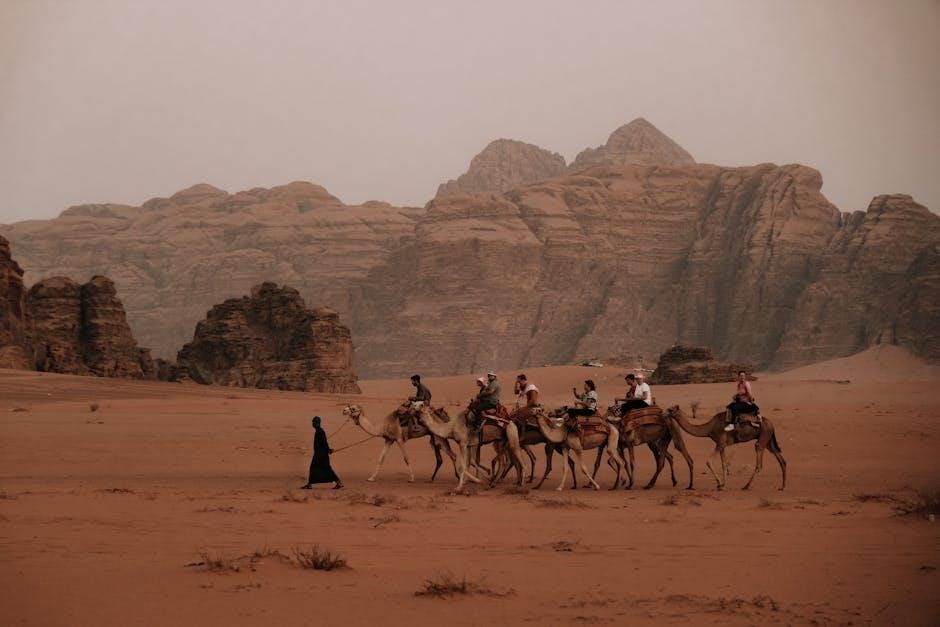
Becoming a Safari Tour Guide: A Comprehensive Plan
Embarking on a career as a safari tour guide demands dedication, specific qualifications like FGASA accreditation, and a deep understanding of wildlife and conservation principles.
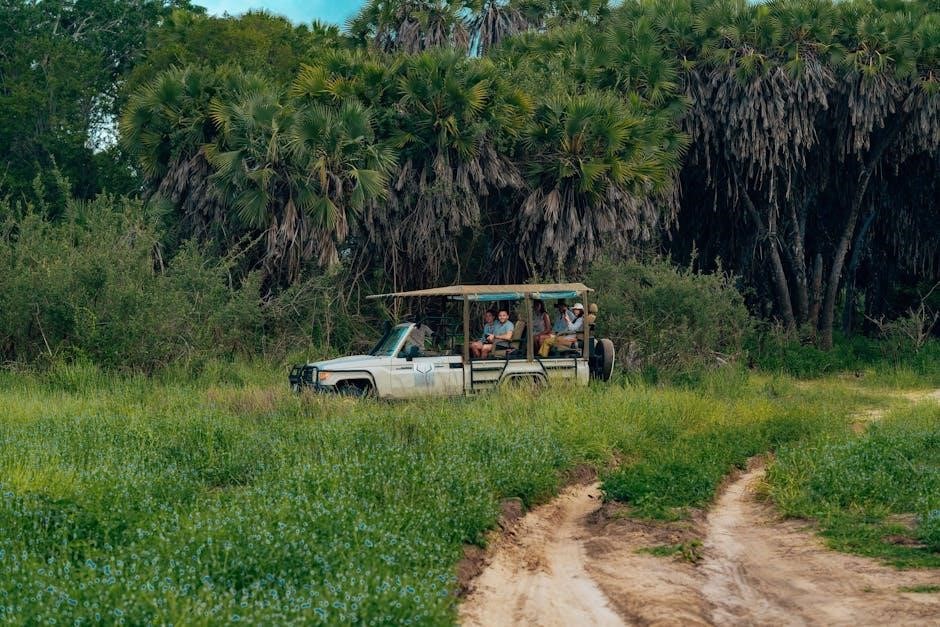
The safari guiding profession offers a unique blend of adventure, education, and conservation. It’s a career path for those passionate about the African wilderness and sharing its wonders with others. Guides are responsible for ensuring visitor safety, interpreting the environment, and fostering appreciation for wildlife. Becoming a guide requires more than just a love for animals; it demands rigorous training, including a Field Guide Level 1 course covering ecology, geology, and animal behavior.
Successfully navigating visa requirements and obtaining necessary permits are also crucial initial steps.
Essential Qualities of a Successful Safari Guide
A successful safari guide possesses a diverse skillset beyond simply identifying animals. Exceptional communication skills are paramount, enabling clear and engaging interpretation for guests. Patience, adaptability, and a calm demeanor are vital when navigating unpredictable wildlife encounters. A strong sense of responsibility for both guest safety and environmental ethics is non-negotiable. Furthermore, physical fitness is essential for long hours spent outdoors, often in challenging terrain.
Genuine enthusiasm and a proactive approach complete the profile.
Required Qualifications and Certifications
Aspiring safari guides typically need a Field Guide Level 1 qualification, alongside a valid driver’s license, proficiency in rifle handling, and 4×4 driving skills. First aid certification is absolutely essential for handling emergencies in remote locations. Crucially, FGASA accreditation is highly valued by employers, significantly boosting career prospects. CATHSSETA qualifications, available at NQF2 and NQF4 levels, provide recognized industry standards.
Meeting these requirements is the first step towards a guiding career.
FGASA Accreditation: The Industry Standard
FGASA (Field Guides Association of Southern Africa) accreditation represents a crucial benchmark of competence within the safari industry. Employers frequently require this accreditation, viewing it as a guarantee of quality training and practical skills. Achieving FGASA status demonstrates a guide’s knowledge of animal behavior, ecology, and guiding techniques.
It significantly enhances career opportunities and is a worthwhile investment for anyone serious about becoming a professional safari guide, improving prospects considerably.
CATHSSETA Qualifications: NQF2 vs. NQF4
CATHSSETA (Culture, Art, Tourism, Hospitality, and Sport Sector Education and Training Authority) offers qualifications vital for safari guides. The NQF2 level provides a foundational understanding, suitable for entry-level positions, focusing on basic guiding skills and wildlife awareness.
However, the NQF4 qualification represents a more advanced level, demanding greater knowledge of ecology, conservation, and advanced guiding techniques. Pursuing NQF4 significantly broadens career options and demonstrates a commitment to professional development within the safari industry.
First Aid and CPR Certification
Essential for any safari guide, comprehensive First Aid and CPR certification is non-negotiable. Remote locations demand the ability to respond effectively to medical emergencies, ranging from minor injuries to life-threatening situations.
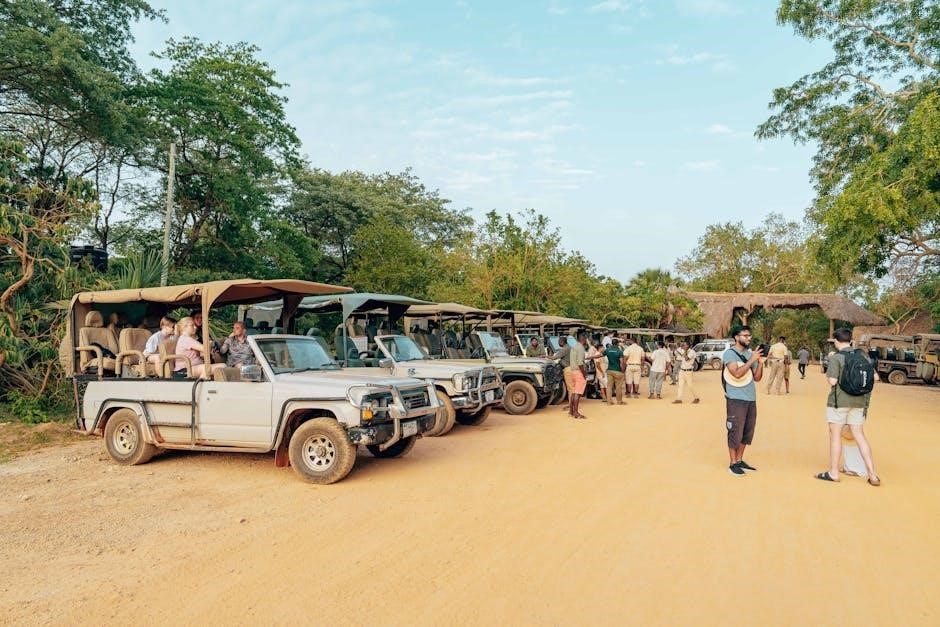
Certification should cover wound management, fracture stabilization, snakebite treatment, and managing allergic reactions. CPR training ensures guides can provide immediate assistance in cardiac arrest cases. Regularly updated certifications demonstrate a commitment to guest safety and responsible guiding practices.
Core Skills and Knowledge
A successful safari guide possesses a robust foundation of knowledge. This includes detailed animal behavior and identification skills, crucial for enriching guest experiences and ensuring safety. Understanding ecology and conservation principles is paramount, fostering responsible tourism.
Furthermore, basic geology and astronomy knowledge adds depth to safaris, explaining landscapes and the night sky. Guides must synthesize this information, presenting it engagingly and accurately to diverse audiences, demonstrating a commitment to education and conservation.
Animal Behavior and Identification
Mastering animal behavior is central to a safari guide’s role. Accurate identification, extending beyond common species, is essential for insightful commentary. Understanding behavioral patterns – feeding habits, social structures, mating rituals – enhances guest experiences and ensures safe wildlife encounters.
Guides must interpret animal signs, predicting movements and recognizing distress signals. This knowledge informs responsible guiding practices, minimizing disturbance and maximizing observational opportunities, creating memorable and educational safaris for all involved.
Ecology and Conservation Principles
A proficient safari guide possesses a robust understanding of ecological systems and conservation challenges. This includes knowledge of food webs, habitat dynamics, and the delicate balance within ecosystems. Guides must articulate the importance of biodiversity and the threats facing wildlife populations, such as poaching and habitat loss.
Furthermore, they should convey conservation efforts and responsible tourism practices, inspiring guests to become advocates for wildlife preservation and sustainable travel.
Geology and Astronomy Basics
Safari guides benefit immensely from a foundational understanding of the geological formations shaping the landscapes they traverse. Knowledge of rock types, erosion patterns, and landform origins enriches the safari experience, providing context to the environment.
Equally captivating is the African night sky; guides should be able to identify constellations, planets, and share stories connected to celestial events, enhancing the overall immersive experience for guests.
Practical Skills Development
Becoming a proficient safari guide necessitates mastering several crucial practical skills. 4×4 driving proficiency is paramount, navigating diverse terrains safely and efficiently. Rifle handling and safety training are essential for responsible wildlife protection and emergency situations.
Furthermore, the ability to interpret track and sign reading – identifying animal movements and behaviors from footprints and other clues – is invaluable for enriching game drives and providing insightful commentary.
4×4 Driving Proficiency
Mastering 4×4 driving is non-negotiable for aspiring safari guides. The African bush presents challenging terrains – sand, mud, rocks, and river crossings – demanding skillful vehicle control. Training focuses on recovery techniques, tire pressure management, and understanding vehicle mechanics in remote locations.
Guides must navigate safely, minimizing environmental impact while ensuring passenger comfort. Proficiency isn’t just about driving; it’s about responsible off-road travel and maintaining vehicle readiness for unpredictable conditions.
Rifle Handling and Safety Training
Essential for a safari guide’s role is comprehensive rifle handling and safety training. This isn’t about aggression, but responsible protection of guests and oneself against dangerous wildlife encounters. Courses cover firearm safety regulations, proper handling techniques, shooting accuracy, and emergency procedures.
Guides learn to assess risk, deter potential threats, and react appropriately in critical situations, always prioritizing non-lethal methods and adhering to strict safety protocols.
Track and Sign Reading
A crucial skill for any aspiring safari guide is mastering track and sign reading. This involves identifying animal footprints, scat, rub marks, and other indicators of wildlife presence and movement. Guides learn to interpret these signs to locate animals, understand their behavior, and predict their future paths.
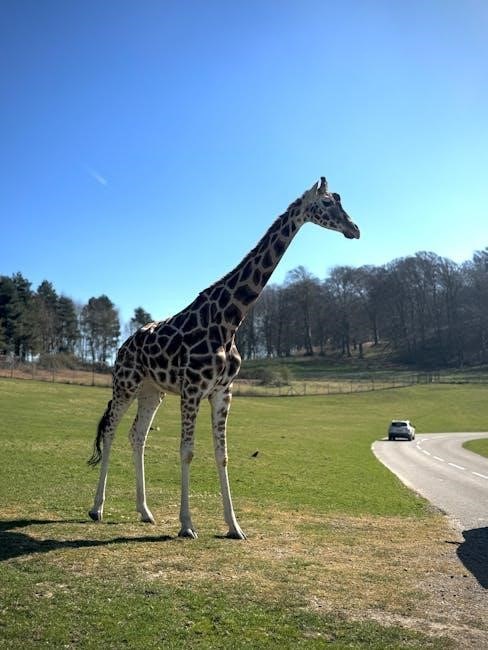
This ability enhances the safari experience, offering guests insights into the hidden lives of animals and the intricate ecosystem around them, going beyond simple sightings.
The Safari Guide Training Process
The journey to becoming a qualified safari guide typically begins with a comprehensive Field Guide Level 1 course, often spanning 55 days. These programs deliver a foundational understanding of diverse subjects – ecology, geology, astronomy, animal behavior, and vital conservation principles.
Beyond coursework, practical experience is paramount, frequently gained through internships. This hands-on learning solidifies theoretical knowledge and prepares aspiring guides for the realities of the field.
Field Guide Level 1 Course Overview (55-day programs)
These intensive 55-day programs are designed to provide a solid base for aspiring safari guides. The curriculum encompasses a broad spectrum of essential subjects, including detailed studies of local ecology and conservation. Participants delve into the fascinating worlds of geology and astronomy, gaining practical knowledge applicable in the field.
Crucially, a significant portion focuses on understanding animal behavior, ensuring guides can interpret and safely manage wildlife encounters. This foundational course is a vital stepping stone.
Practical Experience and Internships
Gaining hands-on experience is paramount after completing a Field Guide Level 1 course. Internships offer invaluable opportunities to apply theoretical knowledge in real-world safari settings. These placements allow aspiring guides to refine their skills under the mentorship of experienced professionals.
Successful completion often requires demonstrating proficiency in 4×4 driving, rifle handling, and track and sign reading, solidifying practical capabilities essential for a guiding career.
Legal and Logistical Considerations
Navigating the legal landscape is crucial for aspiring safari guides, particularly concerning work and residence permits, often presenting significant obstacles for those seeking opportunities in foreign countries. Thorough research into visa requirements and immigration laws is non-negotiable.
Prospective guides must proactively ensure full awareness of current regulations, as these can change frequently, impacting their ability to legally work and reside in their desired safari destination.
Work and Residence Permits – Major Obstacles
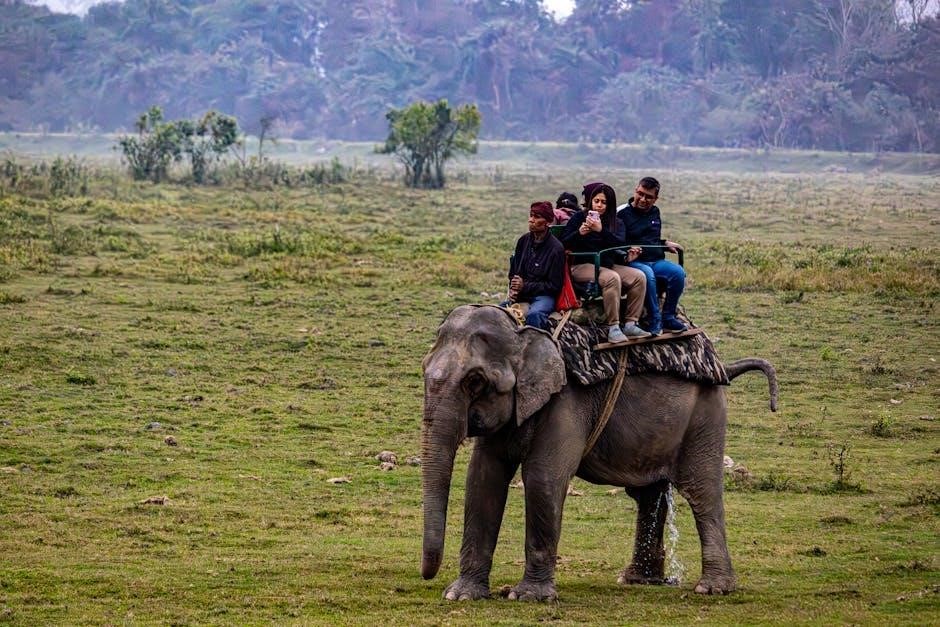
For individuals dreaming of guiding in distant lands, securing work and residence permits consistently emerges as the most substantial hurdle. Many safari destinations have strict regulations protecting local employment opportunities, making it challenging for foreign nationals to obtain the necessary permissions.
Successfully navigating this process requires meticulous planning, diligent paperwork, and often, significant financial investment. Understanding the specific requirements of each country is paramount to a smooth application.
Visa Requirements and Immigration Laws
Aspiring safari guides must prioritize thorough research into the current immigration laws and visa requirements of their desired working location. Regulations are subject to change, demanding constant vigilance and up-to-date information. The responsibility for ensuring compliance rests entirely with the traveler.
Failing to adhere to these laws can result in denied entry, deportation, or legal repercussions. Consulting official government websites and potentially seeking legal counsel is highly recommended before making any travel or employment plans.
Safety Protocols and Ethical Guidelines
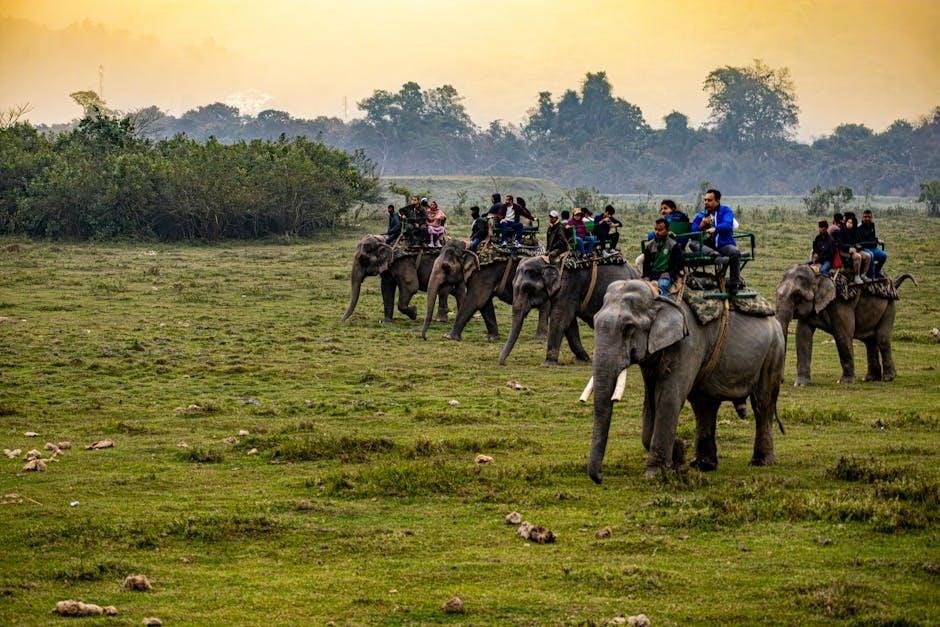
Safari guides uphold stringent safety protocols, prioritizing both guest and animal well-being. A core principle is maintaining respectful distance and never feeding wildlife – disrupting natural behaviors has severe consequences. Night safaris necessitate strict adherence to designated paths, minimizing risk and disturbance.
Ethical conduct demands responsible interactions, respecting the ecosystem and local communities. Guides are crucial in educating guests about conservation and promoting sustainable tourism practices, ensuring a positive impact.
Animal Encounter Etiquette (No Feeding!)
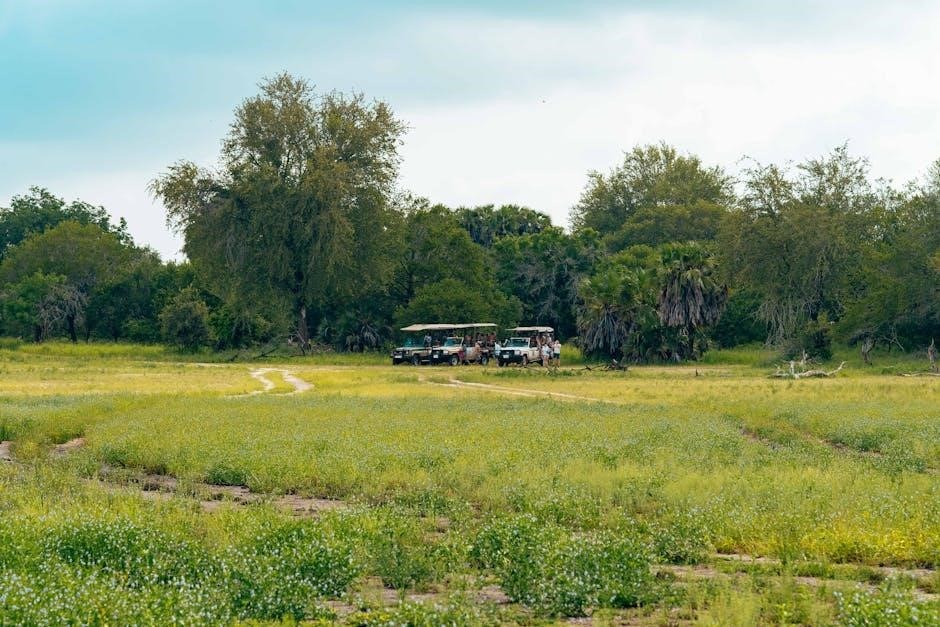
A paramount rule for safari guides is to absolutely prohibit guests from feeding any animal. This seemingly harmless act disrupts natural foraging behaviors, creates dependency, and can lead to aggression. Maintaining a respectful distance is also crucial; observe from afar, allowing animals to behave naturally.
Guides must consistently reinforce this etiquette, explaining the ecological consequences of interference. Protecting both wildlife and visitor safety relies on unwavering adherence to these fundamental principles.
Night Safari Safety Procedures (Staying on Designated Paths)
Night safaris present unique challenges, demanding strict adherence to safety protocols. Guides must insist guests remain on designated paths at all times, minimizing the risk of encounters with nocturnal wildlife. Visibility is limited, increasing potential hazards.
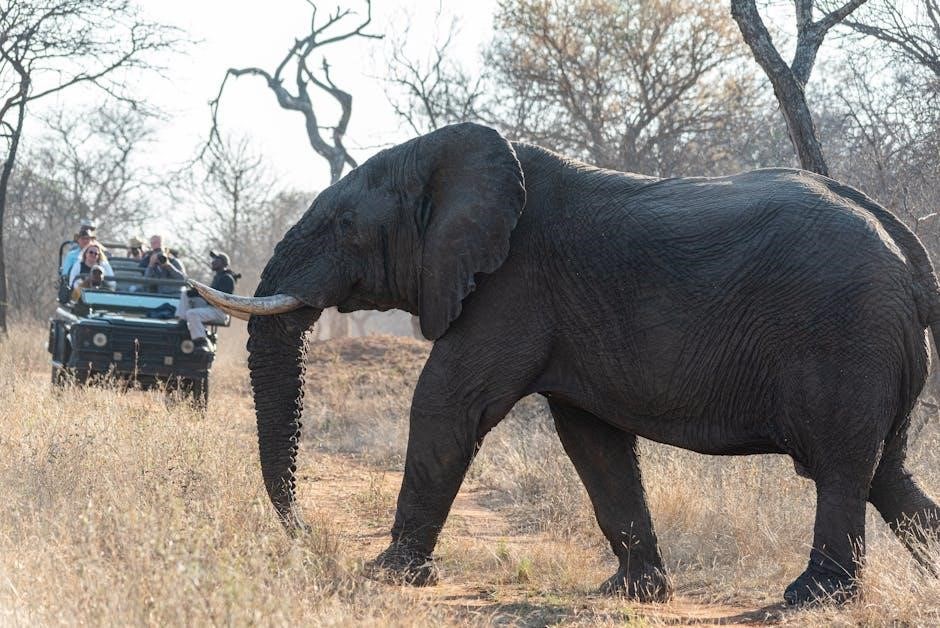
Comprehensive briefings before departure are essential, covering emergency procedures and animal behavior. Guides should carry appropriate lighting and communication equipment, ensuring swift response in unforeseen circumstances. Staying on the path protects both guests and the environment.
Career Advancement and Specializations
Experienced safari guides can unlock diverse career paths through specialization. Birding guides cater to ornithology enthusiasts, while photography guides assist guests in capturing stunning wildlife images. Walking safaris offer intimate encounters with nature, requiring exceptional tracking skills and knowledge.
Further training and certifications enhance expertise, leading to senior guiding roles or even lodge management positions. Developing a niche skillset significantly boosts earning potential and career satisfaction within the competitive safari industry.
Specialized Guiding (Birding, Photography, Walking Safaris)
Diversifying skills unlocks unique guiding opportunities. Birding specialists require extensive ornithological knowledge, identifying species by sight and sound. Photography guides assist guests with optimal settings and composition for breathtaking wildlife shots. Walking safaris demand exceptional tracking abilities, safety protocols, and in-depth ecological understanding.
These specializations attract specific clientele, often commanding higher rates and fostering rewarding guest interactions. Continuous learning and dedicated practice are crucial for excelling in these focused guiding roles.
The Daily Life of a Safari Guide
A safari guide’s day is dynamic and unpredictable, beginning before sunrise with vehicle checks and game viewing preparations. Game drives occupy significant hours, requiring keen observation, animal behavior interpretation, and engaging storytelling for guests. Post-drive duties include vehicle maintenance, report writing, and guest interaction.
Evenings often involve preparing for the next day, attending briefings, or participating in staff training. The lifestyle demands adaptability, physical fitness, and a genuine passion for the African bush.
Finding Safari Guiding Jobs
Securing a safari guiding position requires proactive networking and diligent job searching. Online platforms specializing in tourism and conservation jobs are valuable resources. Direct applications to lodges, reserves, and tour operators are also effective.
Internships and volunteering provide crucial experience and industry connections. Possessing FGASA accreditation significantly enhances employability. Be prepared for competitive selection processes and potential relocation, as opportunities often exist in remote locations.
Future Trends in Safari Tourism
Safari tourism is evolving, demanding guides adapt to changing visitor expectations. Increased demand for specialized experiences – birding, photography, walking safaris – necessitates diverse skillsets. Sustainable and responsible tourism practices are paramount, requiring guides to champion conservation efforts.
Technological integration, like using apps for wildlife identification, will become commonplace. Guides must embrace these tools while maintaining authentic, personalized interactions. Expect a growing focus on cultural sensitivity and community engagement within safari experiences.