Santee Cooper Fishing Guide for Catfish: A Comprehensive Plan
Santee Cooper, South Carolina, offers exceptional catfish angling, attracting over 100,000 visitors annually with its Southern charm and prime lakeside location on Lake Marion.
Santee Cooper’s lakes, Marion and Moultrie, are renowned for world-class catfish fishing, drawing anglers seeking trophy-sized catches. This comprehensive guide delves into the specifics of targeting channel, blue, and flathead catfish within these expansive South Carolina waters;
The region’s welcoming atmosphere and accessibility via I-95 contribute to its popularity. Understanding seasonal patterns, effective techniques, and local regulations is key to a successful and enjoyable catfishing experience.
Understanding Santee Cooper Lakes
Santee Cooper comprises two distinct reservoirs: Lake Marion and Lake Moultrie, both formed by damming the Santee River. Lake Marion, the larger of the two, boasts over 110,000 acres, while Lake Moultrie offers around 60,500 acres of fishing potential.
These interconnected lakes provide diverse habitats, influencing catfish distribution and behavior. Knowing their unique characteristics is crucial for locating productive fishing spots throughout the year.
Lake Marion Overview
Lake Marion, exceeding 110,000 acres, is renowned for its cypress trees and diverse structure, creating ideal catfish habitat. This expansive reservoir features numerous creeks, bays, and submerged timber, attracting channel, blue, and flathead catfish.
Its depth varies significantly, influencing seasonal catfish movements and preferred holding areas. Understanding these patterns is key to successful angling on Lake Marion.
Lake Moultrie Overview
Lake Moultrie, covering approximately 60,000 acres, differs from Marion with a more open water profile and less standing timber. However, it boasts extensive submerged structure, including brush piles and rocky areas, providing excellent catfish cover.
Known for its clearer water compared to Marion, Moultrie often requires adjusted fishing strategies, particularly regarding bait presentation and line visibility.
Catfish Species in Santee Cooper
Santee Cooper teems with three primary catfish species: Channel, Blue, and Flathead. Each exhibits unique characteristics and habits influencing their preferred habitats and feeding patterns.
Understanding these differences is crucial for successful targeting. Anglers must adapt techniques based on the species they pursue, considering bait selection and presentation accordingly.
Channel Catfish: Characteristics & Habits
Channel catfish are the most abundant in Santee Cooper, recognized by their forked tails and smooth skin. They are opportunistic feeders, consuming insects, plants, and smaller fish.
Typically found in shallower waters with moderate current, they are active throughout the day and night. Anglers often target them with readily available baits near creek channels and submerged structures.
Blue Catfish: Characteristics & Habits
Blue catfish, the largest catfish species in Santee Cooper, boast a deeply forked tail and a slate-blue to gray coloration. They are primarily bottom feeders, preying on fish, mussels, and crustaceans.
These solitary fish prefer deep channels and river ledges, becoming more active during low-light conditions. They are known for their impressive size and strong fighting ability, challenging anglers.
Flathead Catfish: Characteristics & Habits
Flathead catfish are ambush predators, identifiable by their broad, flat heads and mottled brown and olive coloration. They favor areas with substantial cover, like submerged logs and rock piles, patiently awaiting prey.
Primarily feeding on live fish, flatheads are less inclined to take bait than other species. They are powerful fighters, making them a prized catch for dedicated catfish anglers in Santee Cooper;
Best Times to Fish for Catfish in Santee Cooper
Catfish activity in Santee Cooper peaks during spring and fall, when water temperatures are moderate and fish are actively feeding. Summer nights offer opportunities, while winter fishing slows but can still yield results.
Dusk and dawn consistently prove productive, as catfish become more active under low-light conditions. Understanding these seasonal and daily patterns is crucial for successful angling.
Seasonal Patterns: Spring, Summer, Fall, Winter
Spring brings spawning activity, concentrating catfish in shallow areas. Summer sees them moving to deeper, cooler waters. Fall triggers a final feeding frenzy before winter, while winter finds them sluggish in deeper holes.
Adjusting bait and techniques to these shifts is key. Spring and fall offer the most consistent action, but each season presents unique opportunities for skilled anglers.
Time of Day Considerations
Catfish in Santee Cooper are most active during low-light conditions. Dusk and dawn consistently produce strong bites, as does nighttime fishing, particularly during warmer months.
Cloudy days can extend the prime feeding window. While daytime fishing is possible, focus on shaded areas and deeper water. Patience is crucial, adapting to the catfish’s schedule.
Top Catfishing Techniques
Successful Santee Cooper catfishing relies on versatile techniques. Bottom fishing with various baits is a staple, utilizing Carolina rigs and slip sinkers to present offerings effectively.
Drift fishing allows covering more ground, while jug fishing (where legal) expands your reach. Understanding regulations is vital for responsible angling and maximizing your catch potential.
Bottom Fishing with Bait
Bottom fishing is a cornerstone of Santee Cooper catfish tactics. Employ Carolina rigs or three-way swivels with sufficient weight to hold bottom in currents.
Present natural or prepared baits directly on the lakebed. Monitor your line for subtle bites, as catfish often sample before committing. Patience and a sensitive touch are key to success!
Drift Fishing for Catfish
Drift fishing effectively covers water, locating scattered catfish in Santee Cooper’s expansive lakes. Utilize a heavier weight to maintain bottom contact while slowly drifting with the current or wind.
Employ multiple lines with varied bait presentations. Monitor your sonar for structure and fish, adjusting your drift accordingly for optimal results and increased chances of a bite.
Jug Fishing Regulations & Strategies
Jug fishing is a productive Santee Cooper catfish technique, but strict regulations apply. South Carolina DNR mandates jugs be clearly marked with your name and address, and limits the number per angler.
Position jugs in channels, near submerged timber, or along drop-offs using cut bait or live fish. Regularly check jugs, respecting other anglers and maintaining responsible fishing practices.
Effective Baits for Santee Cooper Catfish
Santee Cooper catfish respond well to diverse baits. Natural options like bream, herring, and shad are highly effective, especially when freshly caught and cut. Prepared baits, including stink baits and commercial dips, also attract catfish.
Experiment with scent and presentation; chicken liver and shrimp are popular choices. Consider the catfish species when selecting bait – flatheads prefer live bait!
Natural Baits: Types & Preparation
For Santee Cooper catfish, bream, herring, and shad are premier natural baits. Cut bait releases strong scents, attracting fish from a distance. Live bait, especially for flatheads, presents a natural, struggling meal.

Proper preparation involves cleaning and cutting the bait to maximize scent dispersal. Freezing bait preserves freshness for future trips, ensuring optimal attraction;
Prepared Baits: Stink Baits & Commercial Options
Santee Cooper catfish readily respond to “stink baits,” commercially produced concoctions with potent, long-lasting odors. These often contain fermented ingredients and attractants. Numerous commercial dip baits and dough baits are also effective, offering convenience.
Experiment with different scents and consistencies to find what the catfish prefer on any given day; scent is key!
Essential Gear for Santee Cooper Catfishing
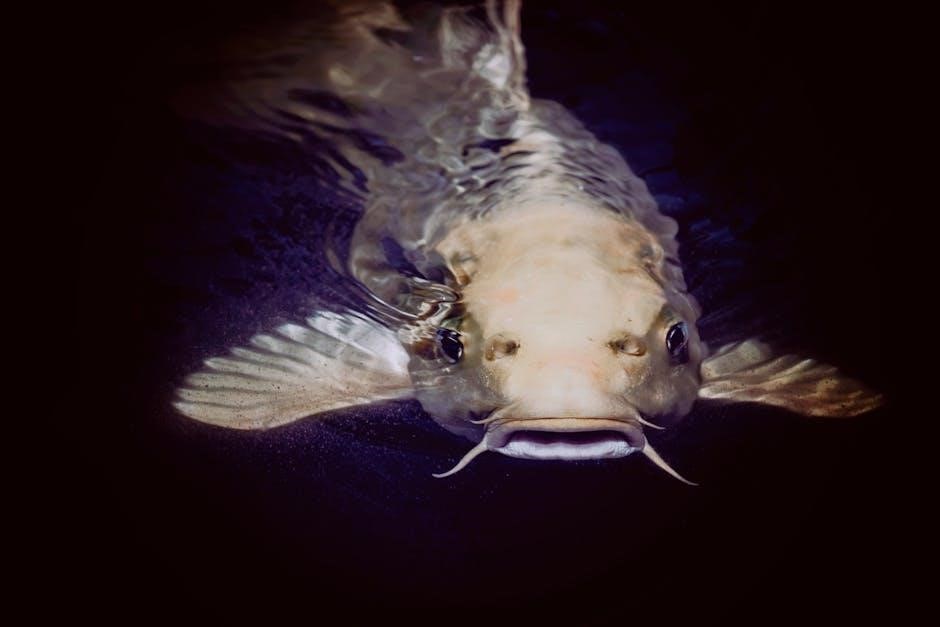
Successful Santee Cooper catfishing demands robust tackle. Heavy-action rods (6-7ft) paired with baitcasting reels are ideal for handling large catfish. Use braided line (50-80lb test) for strength and sensitivity. Circle hooks (sizes 4/0-8/0) are preferred, alongside egg sinkers (4-8oz) to maintain bottom contact.
Rod and Reel Combinations
For Santee Cooper’s hefty catfish, prioritize durability. Medium-heavy to heavy action rods, 7-8 feet long, offer excellent leverage. Baitcasting reels with a smooth drag system are crucial. Consider brands like Shimano, Daiwa, or Abu Garcia. A quality combo withstands powerful runs and provides control during battles with sizable blues and flatheads.
Line, Hooks, and Weights
Braided line, 50-80lb test, is ideal for catfish due to its strength and sensitivity. Circle hooks, sizes 5/0 to 10/0, promote solid hooksets. Use egg sinkers or bank sinkers, 2-6oz, depending on current and depth. Swivels prevent line twist. Quality components are essential when targeting Santee Cooper’s large catfish.
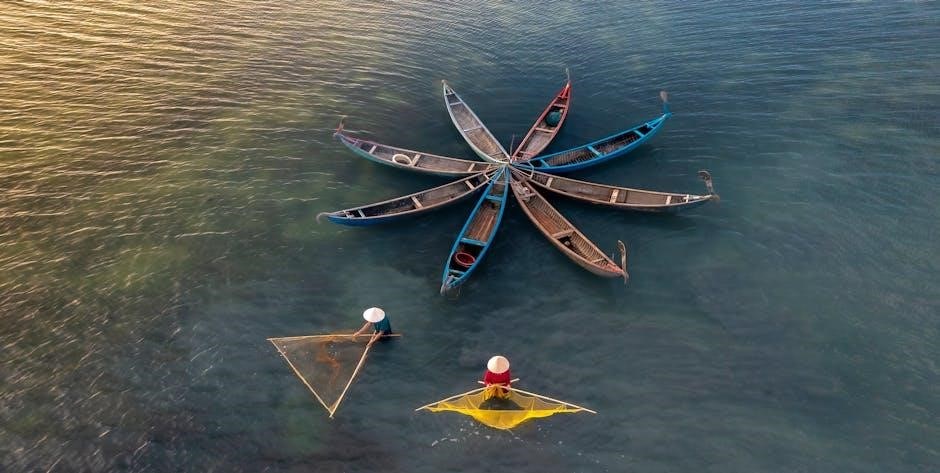
Prime Catfishing Locations on Lake Marion
Lake Marion’s diverse structure holds abundant catfish. Focus on areas around Wilson Creek, Goat Island, and the diversion dam. Fishing near submerged trees and channels is productive. Shore fishing is viable from public landings, while a boat allows access to deeper, more remote hotspots for larger catches.
Specific Areas & Hotspots
Explore the hotspots of Lake Marion for catfish success! The area near the Old Santee Canal, known for its historical significance, consistently produces. Also, try the waters around Dantzler Island and the confluence of several creeks. Deep holes and submerged timber attract large blues and flatheads.
Fishing from Shore vs. Boat
Both shore and boat fishing offer unique advantages. Boats allow access to deeper water and structure, crucial for larger catfish. Shore anglers should target creek mouths and areas with fallen trees. Consider longer rods for casting distance from the bank, maximizing your reach to productive zones.
Prime Catfishing Locations on Lake Moultrie
Lake Moultrie boasts excellent catfish spots, particularly around structure. Focus on the areas near the old highway bridges and submerged timber. The dam face and the Diversion Canal consistently produce large blues and flatheads. Explore the creeks feeding into the lake for channel catfish hotspots.
On Lake Moultrie, pinpoint the areas around Old Wilson’s Landing and the Potato Bank for consistent action. The drop-offs near the SC 261 bridge are also productive. Target the submerged trees near Demary Dam and explore the channels off the main lake for larger catfish concentrations.
Fishing around Structure
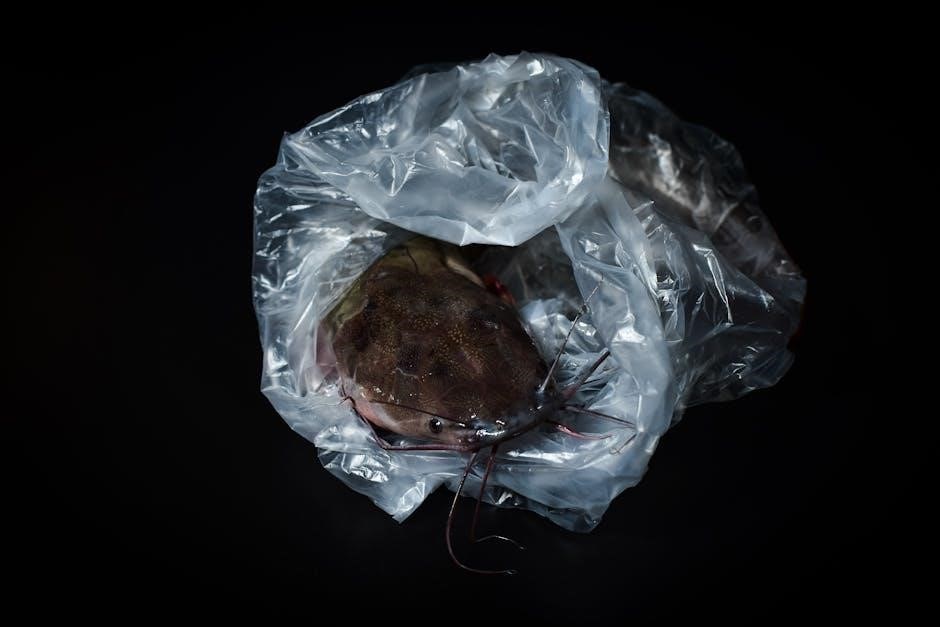
Lake Moultrie’s submerged timber, a result of the old rice fields, provides prime catfish habitat. Focus on standing trees, brush piles, and rocky outcroppings. Utilize your fish finder to locate these structures and present baits directly adjacent to them for increased success, especially for flatheads.
Santee Cooper Fishing Regulations for Catfish
A valid South Carolina fishing license is required for all anglers aged 16 and older; Currently, there are no size limits for catfish in Santee Cooper; Daily creel limits vary by species; check the Santee Cooper website for the most up-to-date regulations before your fishing trip.

License Requirements
All individuals aged 16 or older must possess a valid South Carolina fishing license to legally fish in Santee Cooper. Licenses are available online through the Santee Cooper website, at local tackle shops, and at various retailers throughout the state. Non-residents require a non-resident fishing license.
Size and Creel Limits
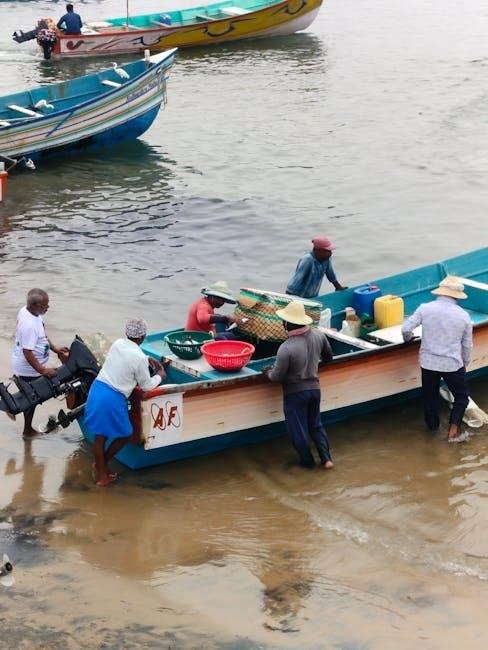
Santee Cooper enforces specific size and creel limits for catfish species to ensure sustainable fishing. Generally, there are no size limits for channel or blue catfish, but creel limits apply. Flathead catfish often have minimum size requirements and restricted daily creel limits; check current regulations.
Safety Considerations for Catfishing Santee Cooper
Catfishing Santee Cooper requires vigilance regarding boating and wildlife. Always wear life vests and be aware of changing weather conditions. Exercise caution around alligators and snakes, especially near the shoreline and in vegetation. Report any dangerous wildlife encounters to Santee Cooper authorities immediately.
Boating Safety
Prioritize boating safety on Santee Cooper’s expansive waters. Ensure your vessel has all required safety equipment, including life vests for each angler. Be mindful of other boaters and adhere to posted speed limits. Check weather forecasts before heading out and be prepared for sudden changes; vigilance is key.
Wildlife Awareness (Alligators, Snakes)
Santee Cooper’s ecosystem thrives with wildlife, including alligators and snakes. Maintain a safe distance from alligators; never feed them. Be cautious around vegetation where snakes may hide. Wear appropriate footwear and remain aware of your surroundings to avoid unexpected encounters while fishing.
Resources for Santee Cooper Fishing Information
For up-to-date reports and details, visit the official Santee Cooper website. Local tackle shops near Lake Marion and Moultrie provide valuable insights and bait recommendations. Consider engaging experienced fishing guides for personalized strategies and maximizing your catfish angling success.
Santee Cooper Website & Reports
The Santee Cooper website is a crucial resource, offering current lake levels, fishing reports, and outage information. It details power restoration processes and safety tips around electricity, vital for anglers spending extended time on the water. Access detailed maps and understand potential hazards.
Local Tackle Shops & Guides
Santee, a welcoming town with Southern hospitality, boasts numerous tackle shops offering specialized catfish gear and local expertise. Experienced guides provide invaluable insights into hotspots, techniques, and seasonal patterns. They enhance your experience, ensuring a successful and safe fishing trip on Lake Marion and Moultrie.
Cleaning and Preparing Your Catfish Catch
After a rewarding day on Lake Marion, proper cleaning is crucial. Gut and scale your catfish promptly, removing the dark meat for milder flavor. Numerous recipes showcase Santee Cooper catfish – from classic fried fillets to flavorful blackened preparations, offering a delicious reward for your angling efforts.
Proper Cleaning Techniques
Begin by scaling the catfish, then make a shallow cut along the belly. Remove the entrails carefully, and scrape out the bloodline. Many anglers remove the dark lateral line meat, enhancing the flavor; Rinse thoroughly with cold water before filleting or preparing your catfish for cooking.
Recipes for Santee Cooper Catfish
Santee Cooper catfish lends itself to diverse recipes! Try a classic fried catfish with seasoned cornmeal, or a smoky grilled preparation. Catfish stew, utilizing local vegetables, is a hearty option. For a unique twist, consider blackened catfish tacos with a vibrant slaw – a true Southern delight!
Advanced Catfishing Strategies
Elevate your Santee Cooper catfishing with technology! Utilize fish finders to locate structure and catfish concentrations. GPS marks hotspots for repeat success. Reading water currents and identifying prime habitat – submerged timber, creek channels – is crucial. Experiment with scent trails for attracting wary, larger catfish.
Using Technology (Fish Finders, GPS)
Maximize your Santee Cooper success with modern tools! Fish finders reveal submerged structure – trees, ledges – holding catfish. GPS allows precise marking of productive locations for return trips. Combine sonar readings with map study to pinpoint creek channels and drop-offs. Data logging builds a pattern over time.
Reading the Water & Identifying Catfish Habitat
Become a water-reading expert for Santee Cooper catfish! Look for current breaks near structure, indicating feeding zones. Murky water often holds more catfish, offering ambush cover. Observe baitfish concentrations – predators follow prey. Changes in bottom composition signal potential hotspots; catfish love transitions.